
Last updated November 25, 2026
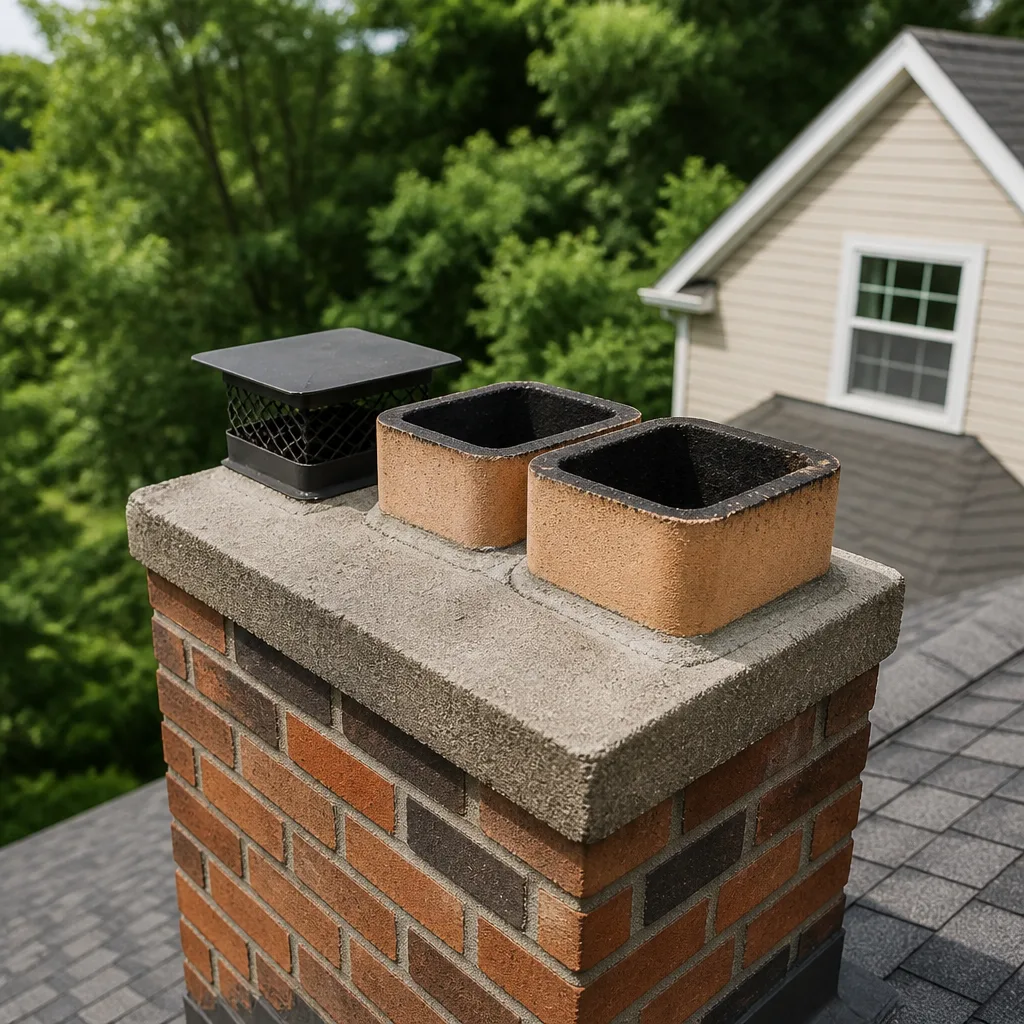 Sweep & inspection
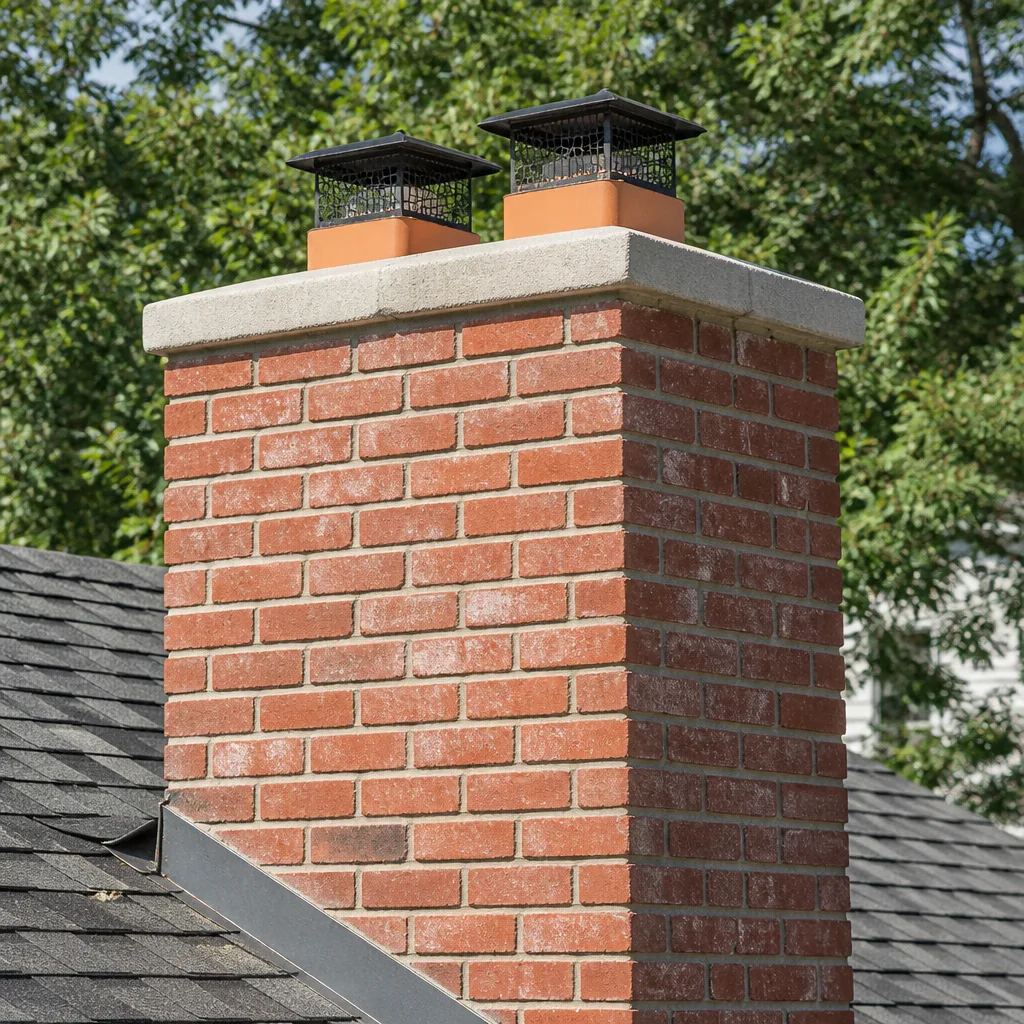 Caps & crowns
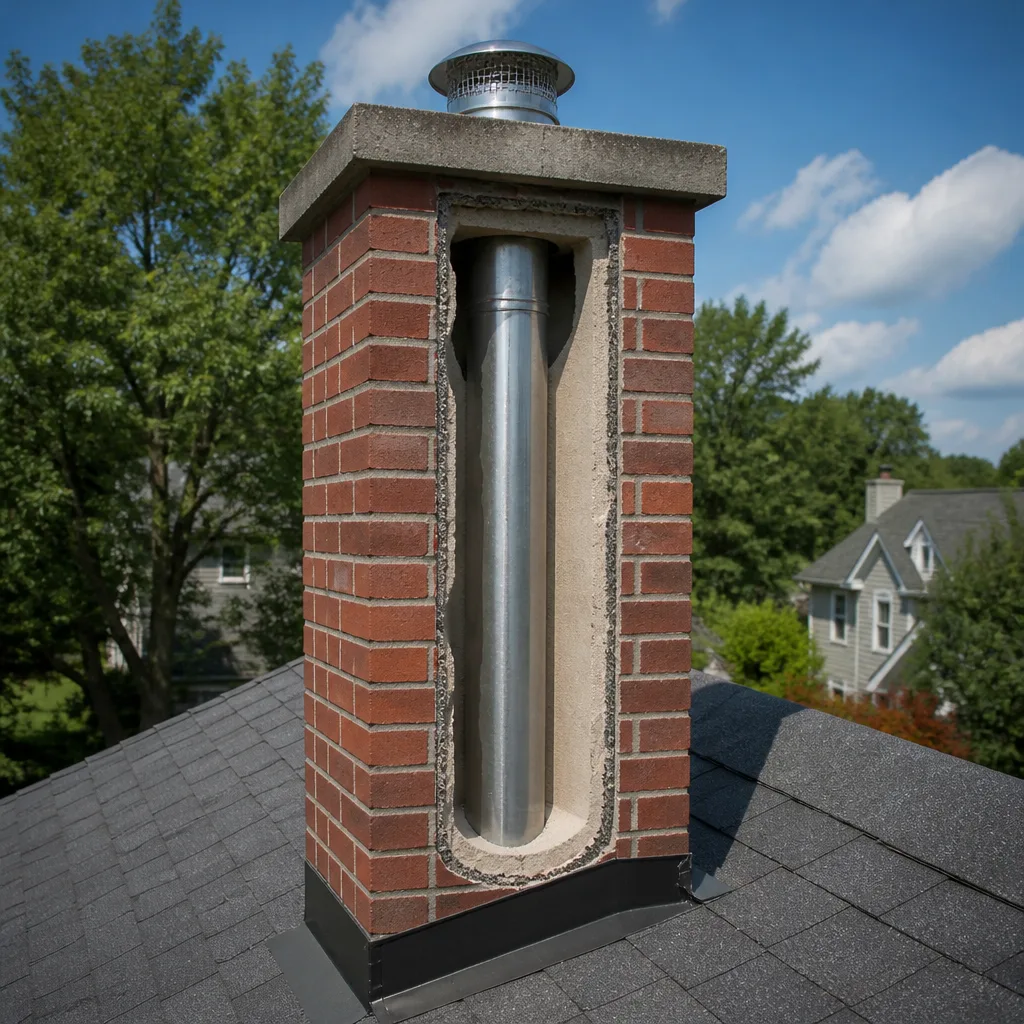 Flue relining
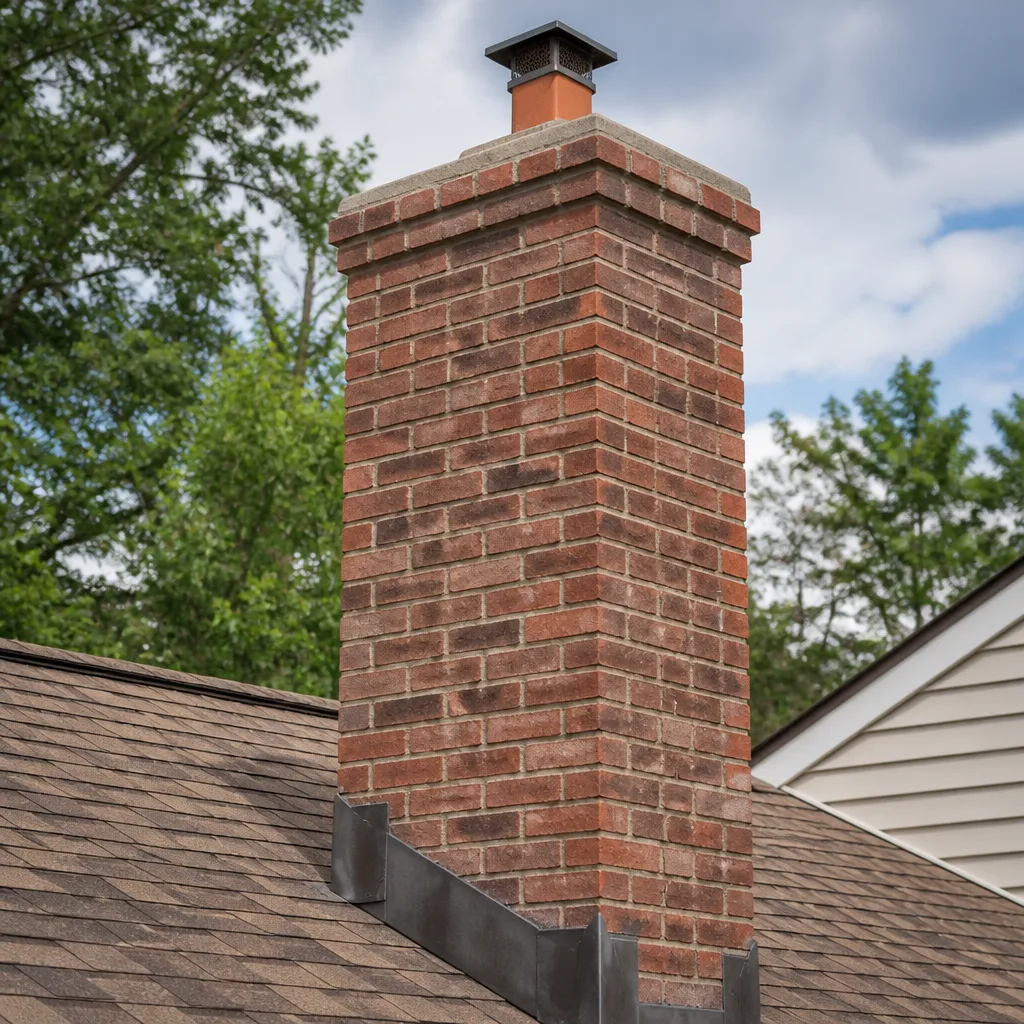 Masonry repair
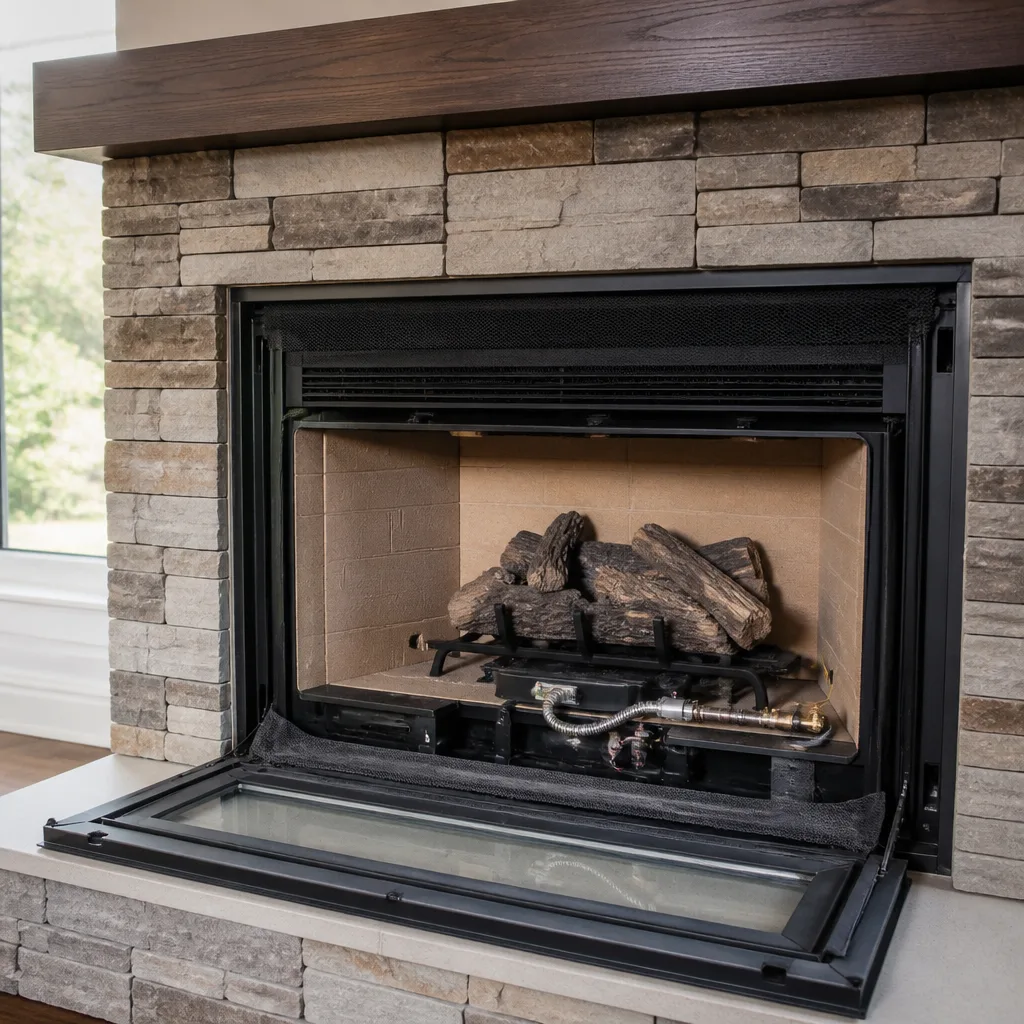 Gas fireplace service
Level 1 sweep and inspection to the NFPA 211 annual standard - flue, crown, cap, and flashing checked and photographed
Chimney sweep logs do not sweep chimneys. They loosen some creosote - which then falls where a brush and vacuum still have to collect it.
Chimney Cleaning Emergency Preparedness Guide for Issaquah Homes
A chimney fire doesn’t always look like the movies. Most burn hot and fast inside the flue with a low roar and an unusually strong draft, and the homeowner inside the room may hear nothing more than a rumble that sounds like a train passing in the distance. People who’ve never been told what to listen for miss the window to respond safely. That single fact is why this guide exists. It isn’t a scare piece about fire damage. It’s a plain-language plan for Issaquah homes with a wood-burning fireplace or gas appliance, covering what a chimney emergency actually looks like, how to respond in the right order, and how to set up your household so the dangerous window shrinks before anything goes wrong. Read it once now, and keep it where you can find it.
Quick Answer
Chimney emergency preparedness for Issaquah homes comes down to three things: knowing the signals of a chimney fire or carbon monoxide problem, following a fixed response order (close the damper, call 911, get everyone outside), and arranging a professional inspection and creosote removal before the burning season starts. Most chimney emergencies trace back to creosote buildup, a blocked or missing cap screen, or a venting failure that went unnoticed because nobody inspected. Prep work in the fall prevents most of them; a Level 2 inspection after any fire is what makes the fireplace safe to use again.
Styles & brands we work with
- Sweep & inspection
- Caps & crowns
- Flue relining
- Masonry repair
- Gas fireplace service
Table of Contents
- How do you recognize a chimney fire in progress?
- What is the three-step immediate response protocol?
- Carbon monoxide risks from chimney and venting failures
- What to do after a chimney fire before using the fireplace again
- Pre-season prep that reduces emergency risk
- Why Issaquah homes face particular chimney risks
- Common mistakes to avoid
- When to call a professional
How do you recognize a chimney fire in progress?
You recognize a chimney fire by a combination of sound, smell, smoke behavior, and what you can see from outside the house. No single signal is reliable on its own, which is why it helps to know all of them. A slow-burning chimney fire may produce almost nothing audible from inside the room, while a fast, hot fire can be obvious within seconds. Homeowners who’ve been told what to look for tend to catch the subtle version earlier. That earlier catch is the whole ballgame.
Here’s what to watch and listen for:
- Sound: a low rumble or roar that sounds like a distant train, a humming or whooshing from the flue, or a series of popping cracks. A chimney fire can sound like a freight train at low volume and still be burning hot inside.
- Smell: a sharp, hot, almost metallic burning smell, or a sudden surge of smoke odor in the room when the draft reverses.
- Smoke behavior: puffs of dark smoke or a dense plume rising from the top of the chimney, smoke backing into the room, or the glass doors darkening unusually fast.
- Draft: an unusually strong pull at the firebox, or the opposite: a sudden loss of draft with smoke spilling into the room.
- Exterior signs: from outside, look for sparks or flames visible at the chimney top, dark smoke, or a shimmer of heat. Creosote flakes or pieces of the flue liner may land on the roof.
If any of these show up, don’t investigate from the roof or open the firebox door. Get out and follow the response order below. The professionals at chimney sweep service can walk you through what to check beforehand so you know your own chimney’s normal behavior.
What is the three-step immediate response protocol?
The three-step response to a chimney fire is: close the damper, call 911, and get everyone outside. The order matters. Closing the damper first cuts the oxygen supply to the fire and slows it, buying time. Calling 911 second gets help moving while you’re still inside. Getting everyone out third is the step that actually saves lives, because a chimney fire can spread into the structure through cracks in the flue or a failed liner. If at any point the fire seems to be spreading beyond the chimney, skip to exiting immediately.
Here’s the protocol in order, for clarity:
- Close the damper. If you can reach it safely, shut the damper handle to starve the fire of oxygen. Don’t open the firebox door to look; that feeds it.
- Call 911. Tell the dispatcher you have a chimney fire and give your address. Don’t wait to confirm it. A false alarm is far better than a delayed response.
- Get everyone outside. Move all household members, pets included, to a safe distance from the house. Don’t re-enter for belongings.
Once outside, don’t go back in until the fire department clears the house. After the fire is out, don’t use the fireplace again until a professional has inspected the chimney. That inspection is required, not optional, and we come back to it in a section below. If you’re in Issaquah and need to understand what a post-fire inspection involves, our chimney repair page covers the damage assessment.
Carbon monoxide risks from chimney and venting failures
Carbon monoxide from a chimney or venting failure is a different problem than carbon monoxide from a furnace or gas range, and it helps to understand why. A combustion appliance that fails internally produces CO at the source. A chimney or venting failure lets CO that’s being produced normally back into the house because the path out is blocked, broken, or reversed. Both are dangerous, but the chimney version often develops slowly and quietly, without the appliance itself showing any fault. That’s what makes it easy to miss.
Common chimney and venting causes of CO in a home include:
- A blocked flue from a bird nest, debris, or a dislodged cap screen
- A cracked or separated flue liner that lets exhaust into wall cavities or the attic
- A backdraft, where the chimney pulls air the wrong way because of pressure differences in a tight house
- Creosote buildup that narrows the flue and reduces draft
- A disconnected or poorly fitted vent connector on a gas appliance
The symptoms of CO exposure are easy to confuse with a cold or flu: headache, dizziness, nausea, fatigue, and confusion. They often ease when the person leaves the house and return when they come back, which is a pattern worth paying attention to. If you suspect CO, get outside and call 911, then have the chimney inspected before using the fireplace or any vented appliance again.
Preparedness means placing CO detectors correctly. Install one on every level of the home and outside sleeping areas, and test them each fall when you schedule your chimney sweep. The Chimney Sweep Issaquah team can check venting and draft during a routine visit so a developing problem gets caught before it becomes an emergency.
What to do after a chimney fire before using the fireplace again
After a chimney fire, the fireplace cannot be reused until a Level 2 inspection has been completed. This is not a suggestion from your chimney sweep; NFPA 211, the national standard for chimneys, fireplaces, vents, and solid fuel-burning appliances, calls for a Level 2 inspection after any chimney fire or other event likely to have caused damage. A Level 2 inspection goes beyond what you can see from the firebox, using a camera to examine the flue interior. The purpose is to confirm the liner is intact and the chimney is structurally sound before a fire is lit again.
The post-fire sequence looks like this:
- Confirm the fire is out and the house is cleared by the fire department.
- Do not light another fire. Even a small test fire is unsafe until the flue is inspected.
- Book a Level 2 inspection with a professional who uses camera equipment and can show you the findings.
- Review the report and decide on any repairs, such as liner resurfacing or relining, before the fireplace goes back into service.
In many cases the liner survives a chimney fire with damage that isn’t visible from below. A HeatShield resurfacing may restore a liner that’s cracked but structurally sound, while a badly damaged flue may need a DuraFlex flexible liner system instead. Either way, the decision should come from what the camera shows, not from a guess. Our fireplace repair service begins with that inspection, and we walk you through the findings before recommending anything.
Pre-season prep that reduces emergency risk
Most chimney emergencies are preventable, and the prevention happens in the weeks before you light the first fire of the season. The work is modest: a professional sweep, a cap and screen check, CO detector placement, and a clear understanding of your creosote situation. In our experience, the homes that get through a winter without a scare are the ones where the chimney was looked at in the fall, not the ones that called in January with smoke backing into the room. The prep takes an hour or two and costs far less than the damage a fire causes.
Here’s a prep checklist for Issaquah homes:
- Schedule a chimney sweep before burning season. The industry standard is an annual inspection and a sweep when creosote reaches about 1/8 inch. If it’s been more than a year, book it now.
- Check the cap and screen. A missing or damaged cap lets rain, birds, and debris into the flue. A rusted screen blocks the exhaust path. Both are common causes of sudden blockages.
- Place CO detectors. One on every level and outside sleeping areas, tested each fall.
- Test the damper. Make sure it opens and closes smoothly and seats properly when closed.
- Clear the roof and gutters. Leaves, needles, and debris near the chimney top can be pulled into the flue or catch fire from sparks.
- Check the firebox and hearth. Look for cracked brick, loose mortar, or a damaged screen, and have anything suspicious inspected.
- Burn dry, seasoned wood. Wet wood produces more creosote, which is the fuel most chimney fires feed on.
Caps and crowns deserve a specific mention because they’re where water damage starts. A cracked crown or a missing cap lets water into the masonry, which freezes and thaws through an Issaquah winter and quietly weakens the structure. Our cap and crown work is part of the same visit as a sweep, so you’re not dealing with two contractors.
Why Issaquah homes face particular chimney risks
Issaquah sits at the foot of the Cascade foothills, where winters are wet, cool, and long enough that a wood-burning fireplace gets real use from fall through spring. That pattern matters for chimney safety. Damp, mild weather doesn’t dry out firewood well, and wet wood produces more creosote. Cool evenings push homeowners to burn longer and hotter, which loads the flue faster. The same wet climate that makes Issaquah beautiful also drives water into masonry, and repeated freeze-thaw cycles open small cracks into bigger ones over a few seasons.
Housing in Issaquah adds another layer. The city has a mix of older homes in neighborhoods like Olde Town and newer construction in the Issaquah Highlands and Talus, and each type has its own chimney profile. Older homes may have clay tile liners that have cracked over the decades and venting systems that were built to a different standard. Newer, tighter homes with modern insulation can suffer from backdrafting because there’s less natural air infiltration to feed the fire, and a chimney that doesn’t draft properly sends smoke and CO back into the room. The fix is different in each case, which is why a real inspection matters more than a generic cleaning.
Issaquah’s hillside lots and tree cover also mean leaves, needles, and wind-blown debris collect on roofs and around chimney tops. A cap screen that’s fine in summer can be half-blocked by the first fall storm. The chimney sweep visit in early fall is the natural time to catch it. Reading your own home’s chimney behavior, rather than comparing it to a neighbor’s, is the real skill. If you’re in Issaquah and want to know what a proper inspection covers, our team can walk you through it.
Common Mistakes to Avoid
- Assuming a chimney fire is loud and obvious. Many burn quietly with only a low roar and an intense draft. If you’re waiting for a dramatic sound before you act, you may wait too long. Learn the subtle version.
- Opening the firebox door to investigate. That feeds oxygen to the fire and can make it flare. The correct move is to close the damper and get out, not to look.
- Reusing the fireplace right after a fire. The liner may look fine from the firebox and still be cracked. NFPA 211 calls for a Level 2 inspection before any reuse, and it isn’t optional.
- Skipping the annual sweep because the chimney “looks clean.” Creosote builds inside the flue where you can’t see it, and the 1/8-inch threshold is a real number, not a sales tactic. Annual inspection catches it before it becomes fuel.
- Leaving a cap off or a screen rusted through. In Issaquah’s tree cover, a missing cap is an invitation for debris and wildlife. A blocked flue is one of the fastest routes to a CO problem.
- Burning wet or unseasoned wood in a wet climate. It produces more creosote and less heat, which means more burning and more buildup. Season wood properly and store it covered.
- Relying on a smoke detector alone for CO safety. A smoke detector doesn’t sense carbon monoxide. You need dedicated CO detectors on each level and outside sleeping areas.
When to Call a Professional
Call a professional chimney service if any of the following applies: it’s been more than a year since your last inspection or sweep; you’ve had a chimney fire, even a small one; you notice smoke backing into the room, a persistent draft problem, or a smell of exhaust indoors; you see cracked brick, loose mortar, a damaged crown, or a missing cap; your CO detector has alarmed; or you’re buying a home in Issaquah and want the chimney condition documented before you close. These are the moments when a camera inspection and an honest report matter more than a quick brush-and-go.
Chimney Sweep Issaquah offers free estimates in Issaquah. Call (855) 550-7279. We answer 24/7. Fast dispatch from 7am to 7pm, Sunday through Friday. Nothing gets recommended without camera evidence you can see for yourself, and we’ll tell you plainly when work can safely wait.
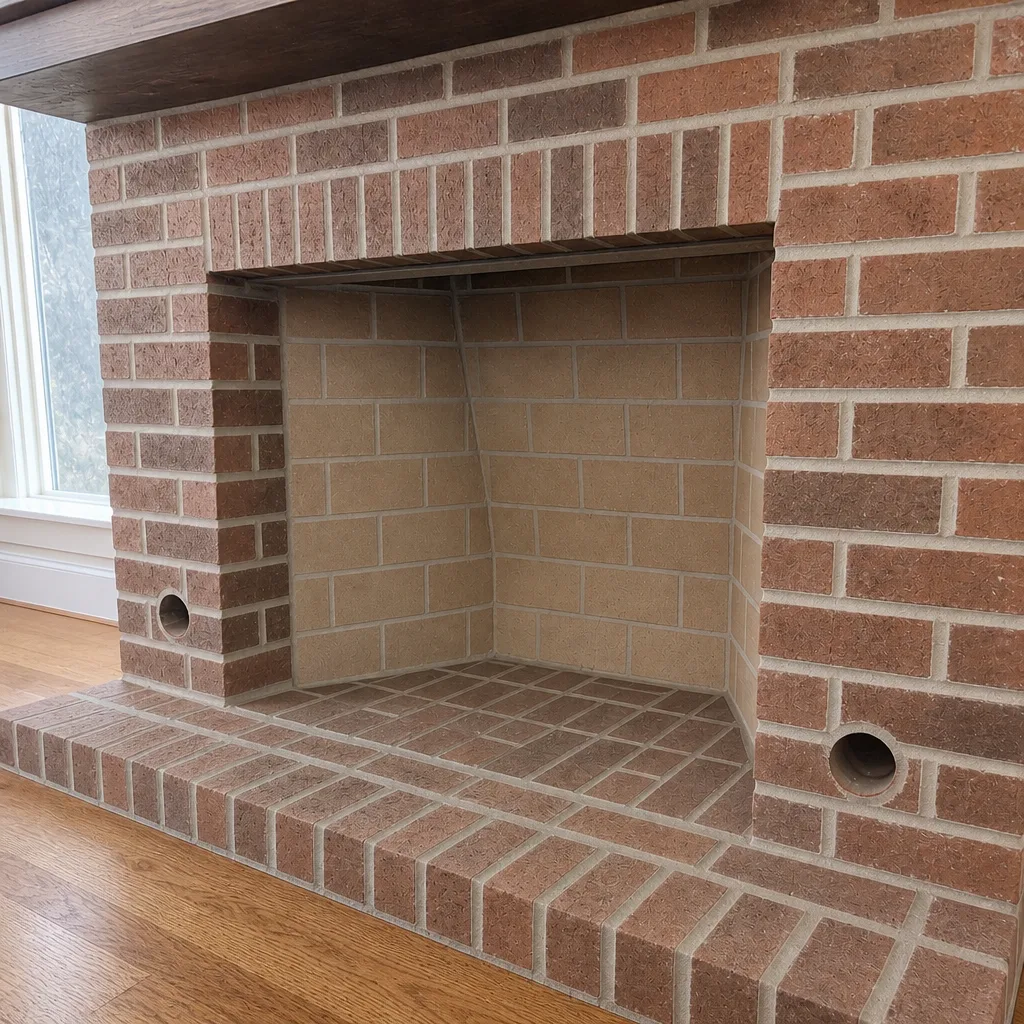
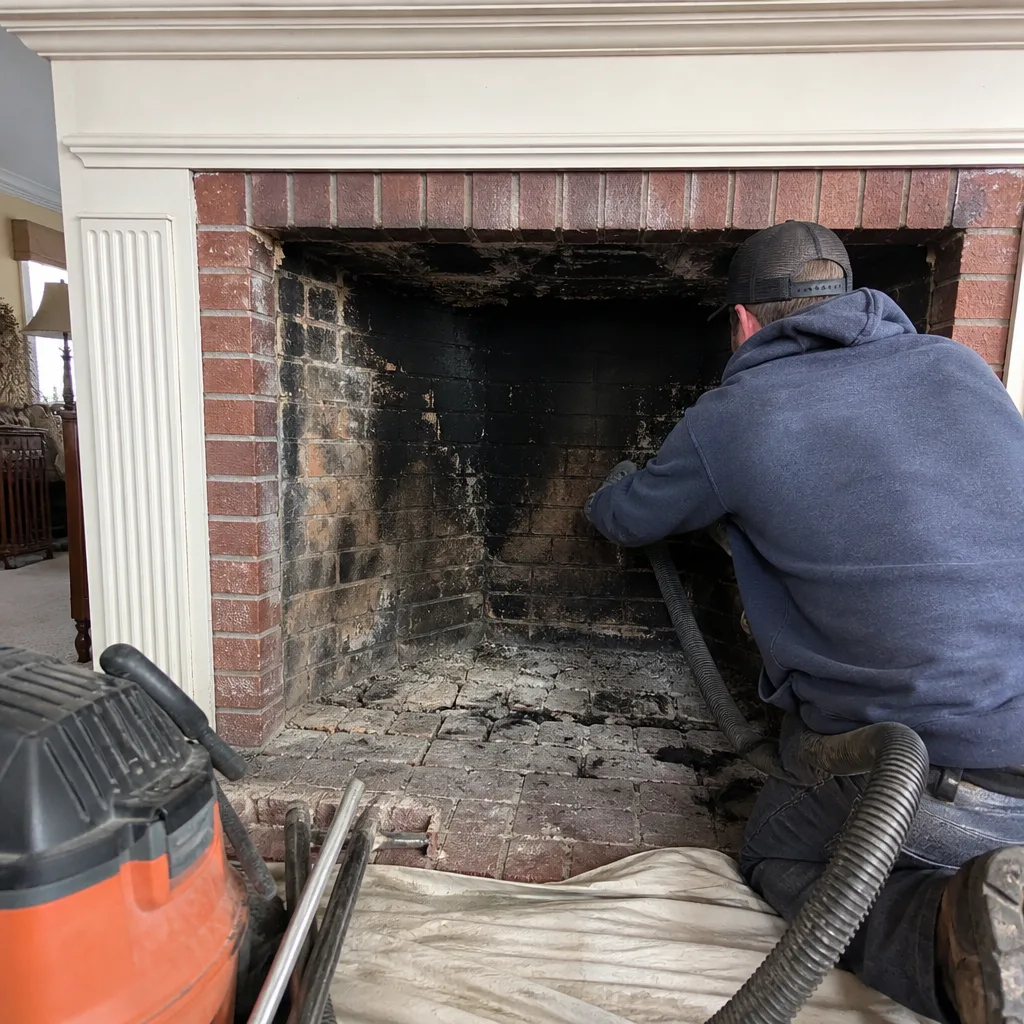
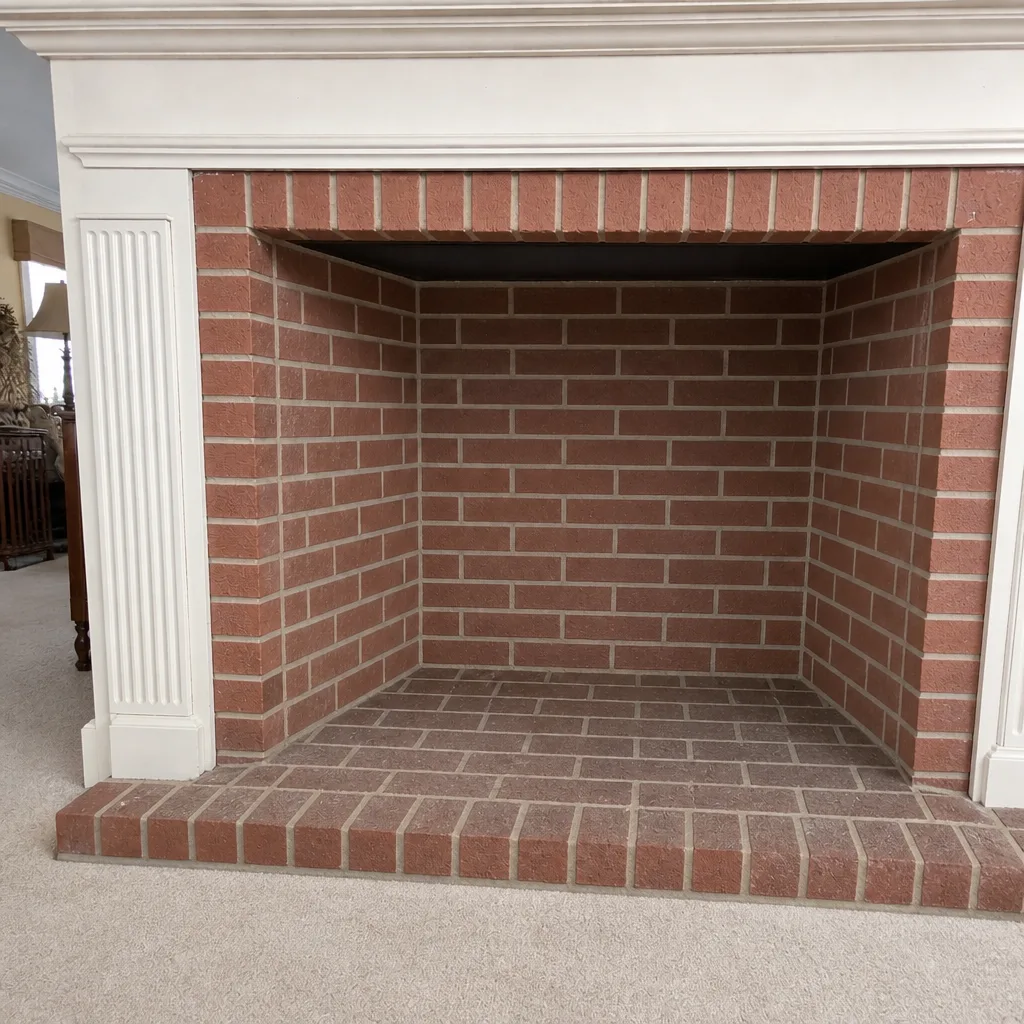
See the difference
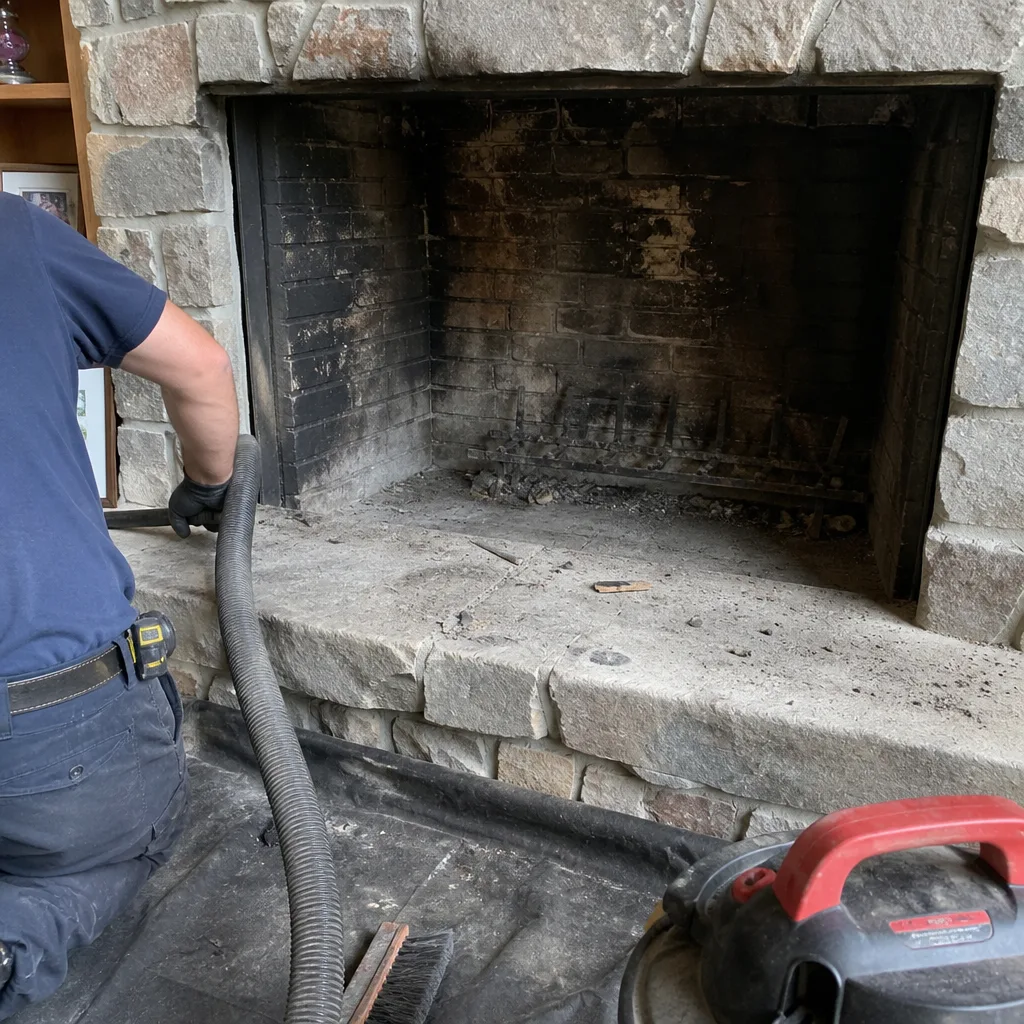 Before
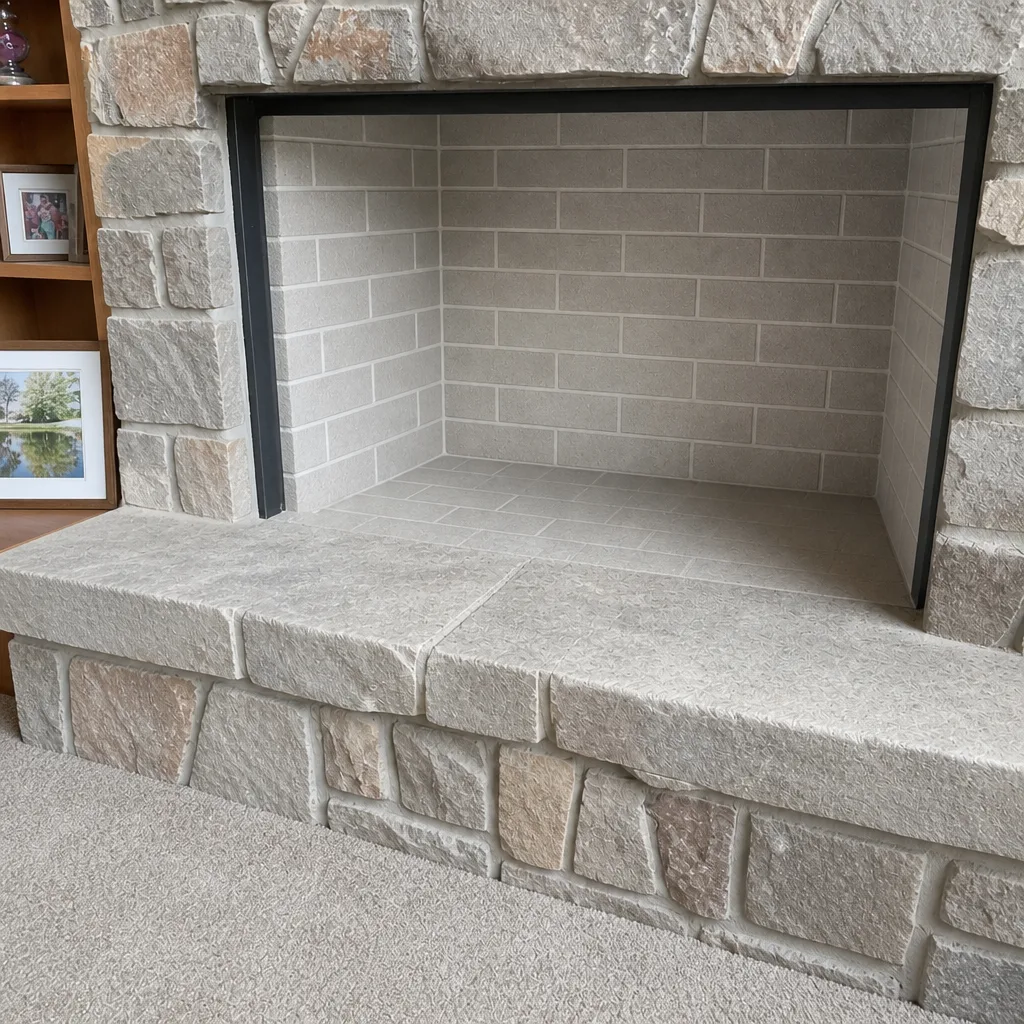 After
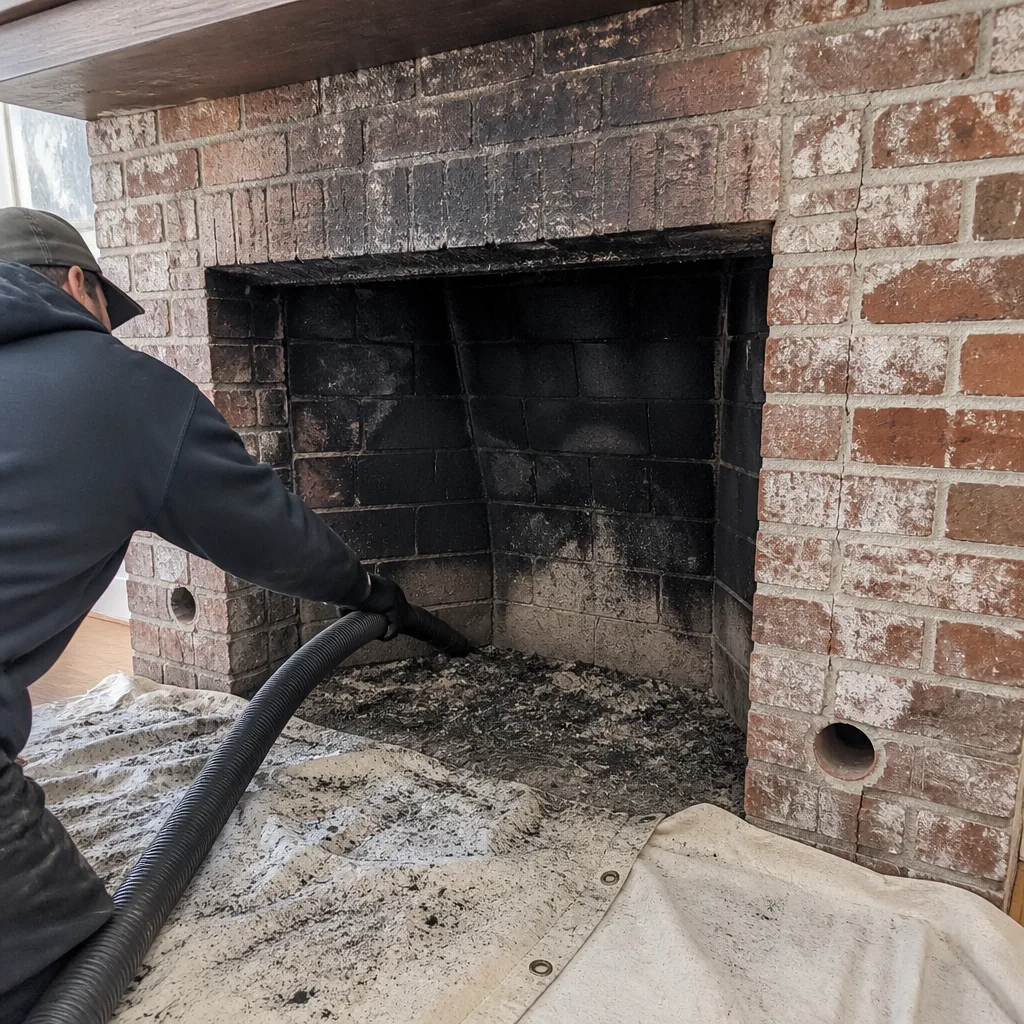 Before
 After
 Before
 After
Frequently Asked Questions
An Issaquah chimney should be inspected once a year and swept when creosote reaches about 1/8 inch. Homes that burn frequently through the long wet season often need an annual sweep, while occasional users may go a season between sweeps if the inspection shows little buildup. The annual inspection is the constant; the sweep follows what the flue actually looks like. Our technicians have up to 10 years of experience reading that buildup and can tell you honestly whether a sweep is needed this year. Call (855) 550-7279 for an exact quote; estimates are free.
The warning signs of a chimney fire include a low roar or rumbling from the flue, popping or crackling sounds, a hot metallic smell, dark smoke or sparks at the chimney top, and smoke backing into the room. From outside, you may see flames or a shimmer of heat at the chimney. Many chimney fires are quiet and burn inside the flue without obvious drama, so any of these signals is reason to close the damper, call 911, and get everyone out. Call (855) 550-7279 for a post-fire inspection.
Yes. NFPA 211 calls for a Level 2 inspection after any chimney fire because the liner and flue interior can be damaged in ways you can’t see from the firebox. A Level 2 inspection uses a camera to examine the full flue and confirms whether the chimney is safe to reuse. Skipping it risks a second fire or a CO leak through a cracked liner. Call (855) 550-7279 to schedule a Level 2 inspection with a camera report you can review.
Skipping the annual sweep lets creosote accumulate to the point where a hot fire can ignite it, and it leaves problems like a cracked liner or a blocked cap screen undetected. Creosote is the fuel most chimney fires feed on, and a blocked flue is one of the fastest routes to carbon monoxide backing into the home. The risk builds quietly between seasons. A routine sweep and inspection is the cheapest way to catch it early. Call (855) 550-7279 for an estimate.
CO detectors belong on every level of the home and outside sleeping areas, with a test each fall when you schedule the chimney sweep. In a home with a wood-burning fireplace or a gas appliance, the detector near the appliance and the one outside bedrooms are the most important placements. A smoke detector doesn’t sense carbon monoxide, so it isn’t a substitute. If a detector alarms, get everyone outside and call 911 first. For venting and draft questions, call (855) 550-7279.
Chimney sweep pricing in Issaquah depends on the flue condition, creosote level, and whether a camera inspection is included, so the price is set per job by a written estimate. We give you that estimate for free before any work is booked. The written estimate is the final price, and nothing gets recommended beyond what the camera shows. Call (855) 550-7279 for an exact quote; estimates are free.
The Bottom Line
The most useful thing you can do about chimney emergencies in Issaquah is to prepare before the season starts, not react during it. Learn the quiet signals of a chimney fire so you recognize them early. Know the response order by heart: close the damper, call 911, get everyone outside. Understand that carbon monoxide from a venting failure develops slowly, which is why CO detectors on every level matter. And treat the Level 2 inspection after any fire as non-negotiable, because NFPA 211 requires it and the liner’s condition can’t be judged from the firebox. Schedule the sweep and inspection before burning season. The homes that stay safe are the ones that planned for it.
Written by the team at Chimney Sweep Issaquah.