
Last updated November 25, 2026
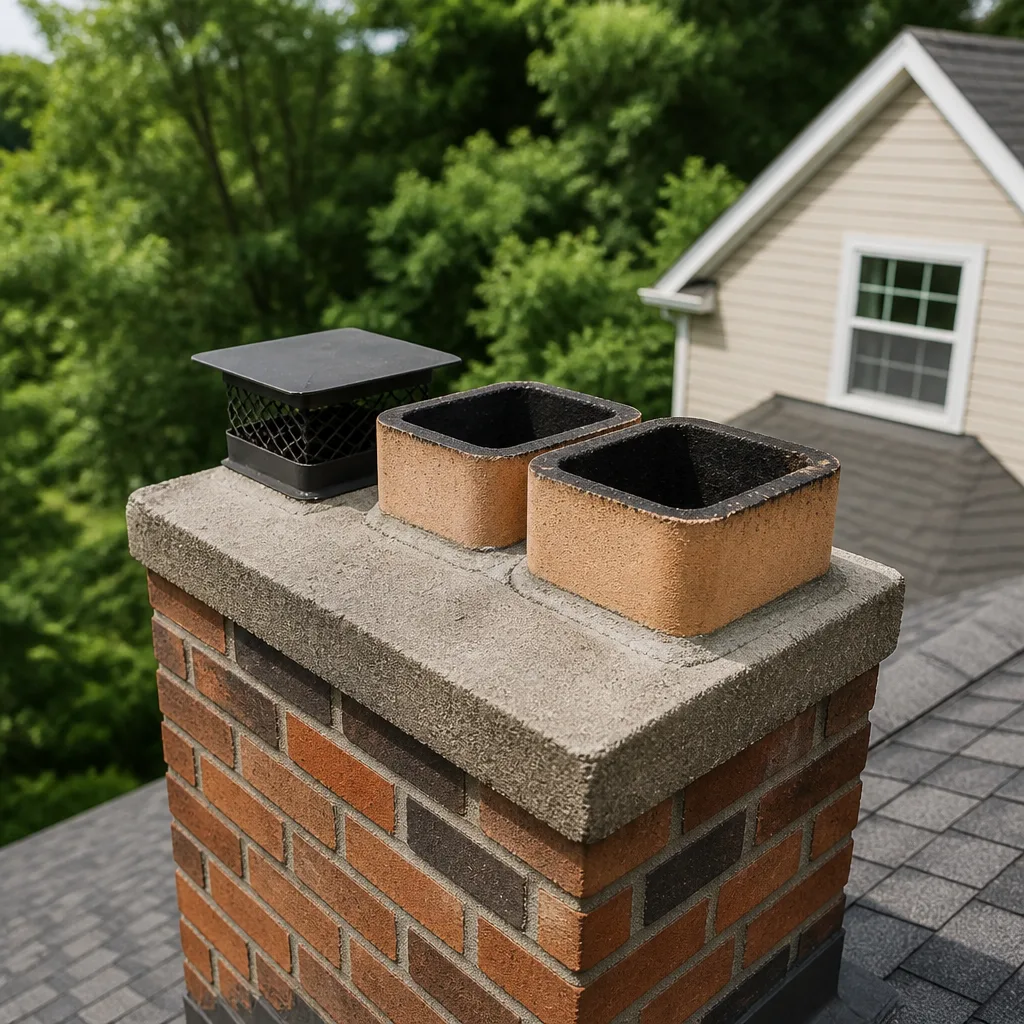 Sweep & inspection
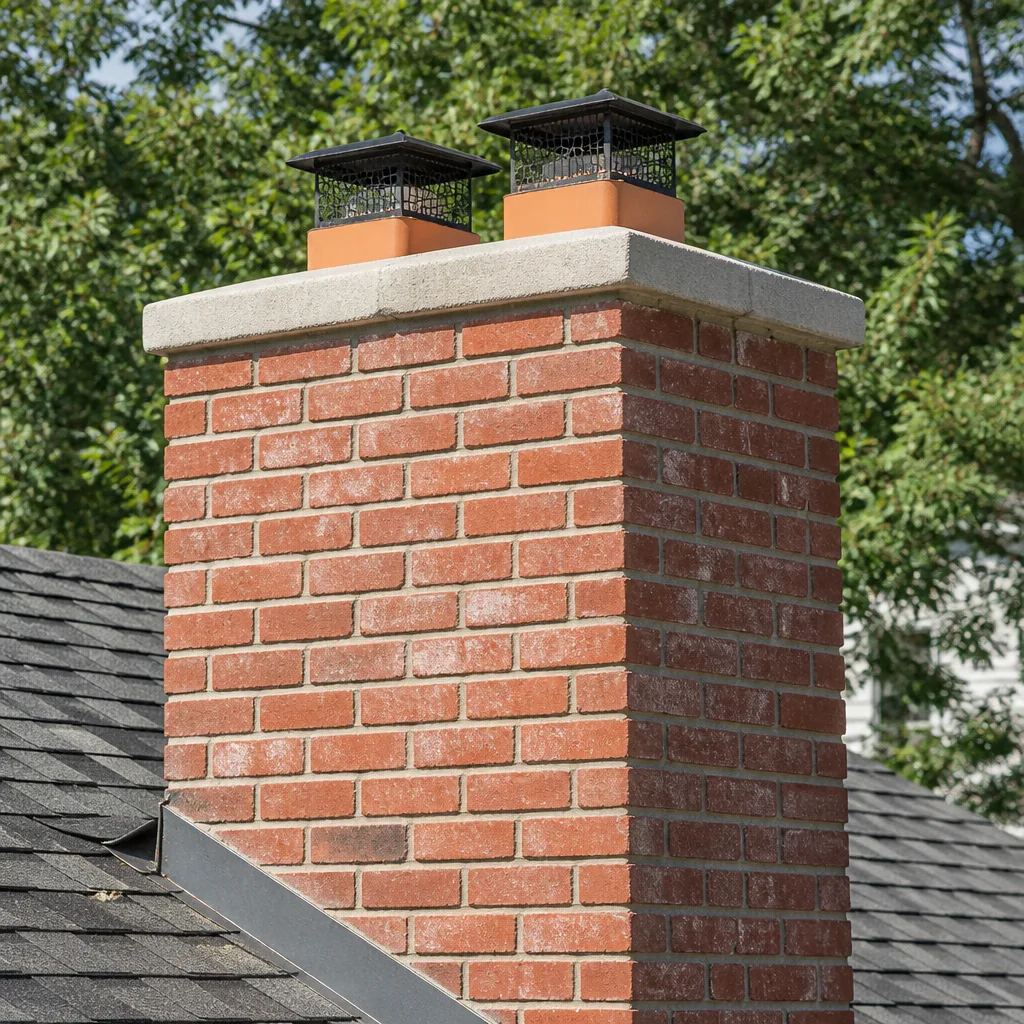 Caps & crowns
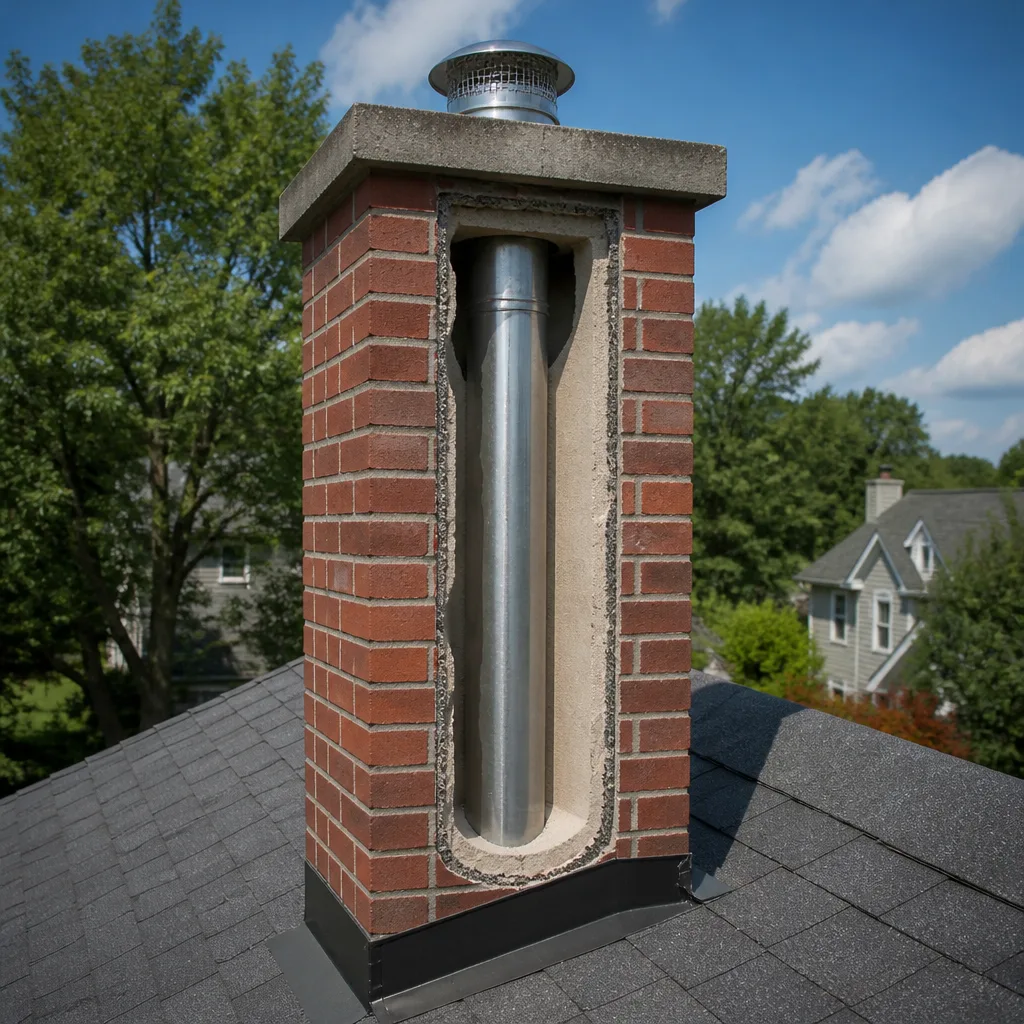 Flue relining
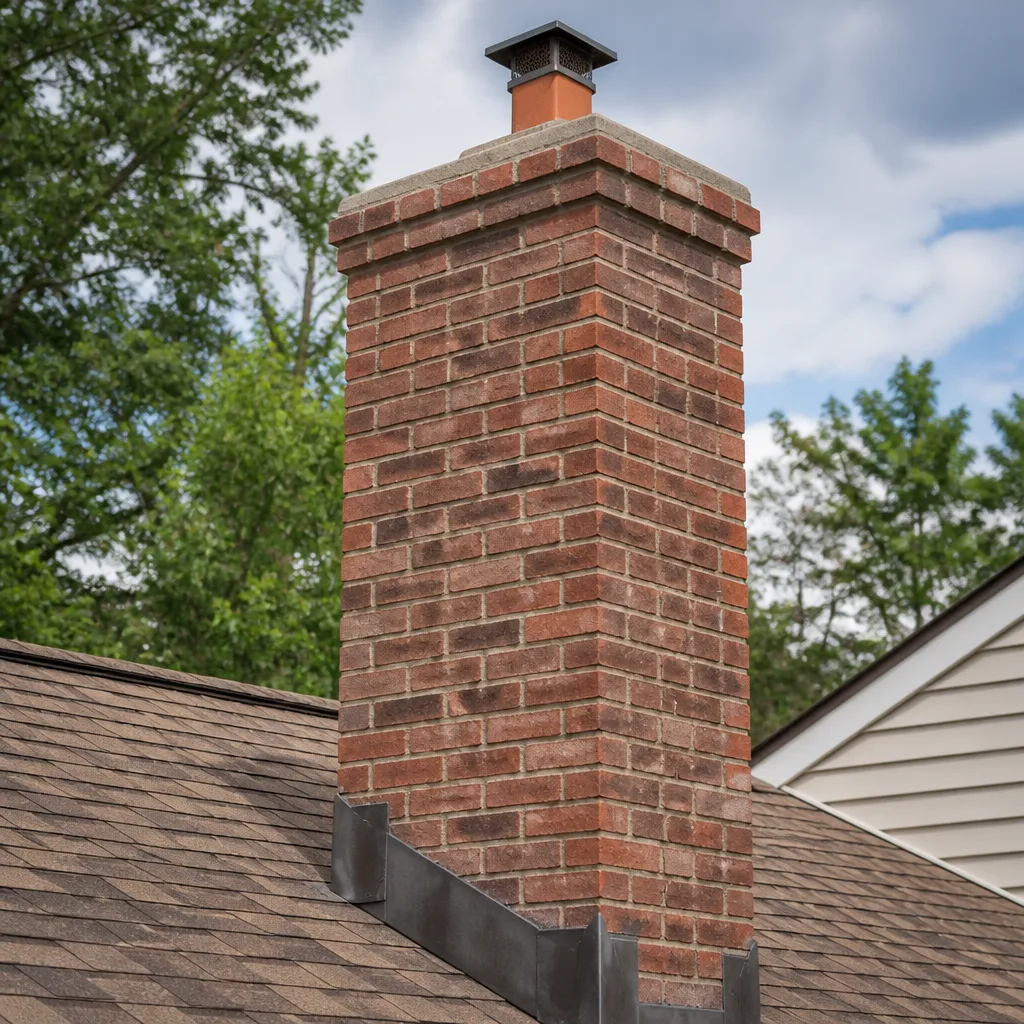 Masonry repair
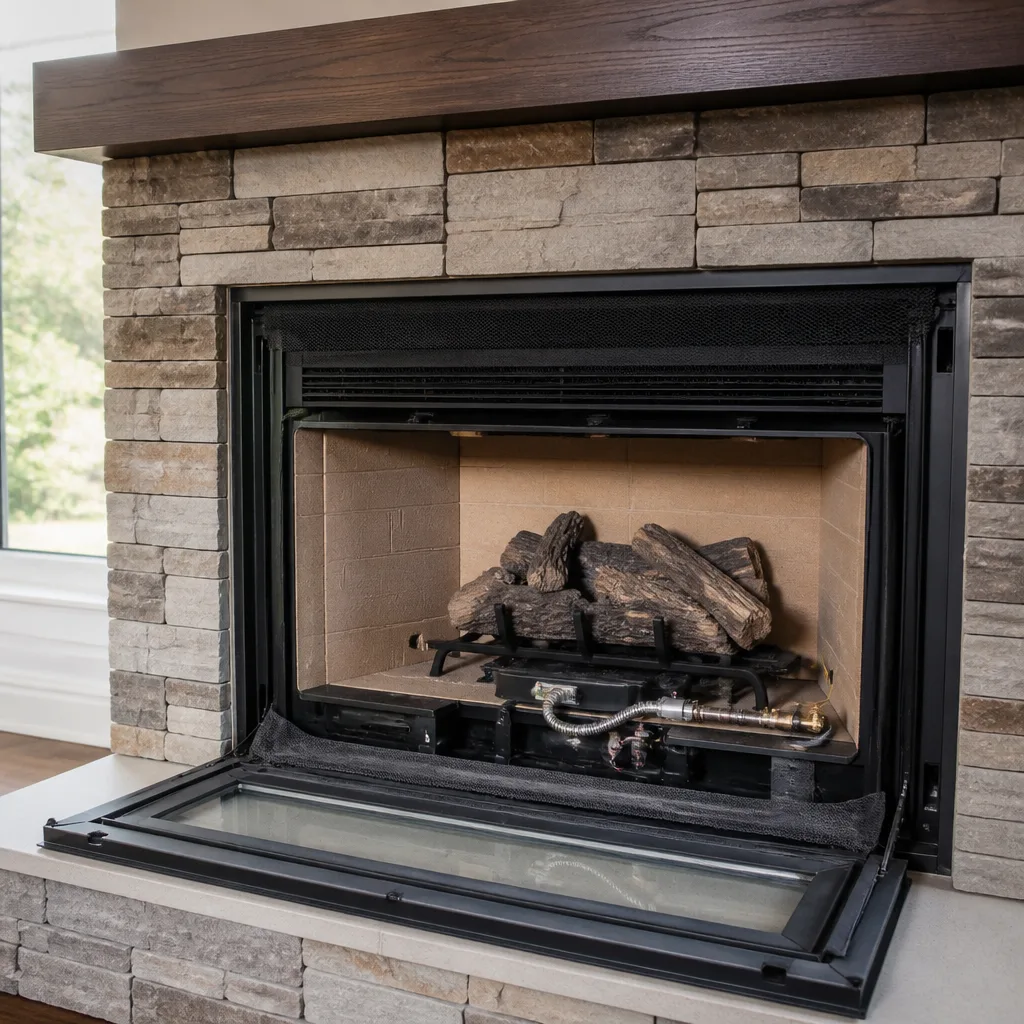 Gas fireplace service
Level 1 sweep and inspection to the NFPA 211 annual standard - flue, crown, cap, and flashing checked and photographed
Chimney sweep logs do not sweep chimneys. They loosen some creosote - which then falls where a brush and vacuum still have to collect it.
Chimney Cleaning Permits, Codes & Inspections in Issaquah, WA: What You Need to Know
Here’s the part most homeowners get backwards: a routine chimney cleaning almost never needs a permit, but the repair you book next often does. In Issaquah, the line between maintenance and regulated construction work is sharper than people expect, and crossing it without paperwork can follow a house through a sale years later. A relining job done without the required permit in Washington State isn’t just a code violation. It’s a disclosure item that can stall a closing. This guide walks through what needs a permit and what doesn’t, how Issaquah’s local rules stack on top of the state code, when a Level 2 inspection becomes mandatory, what “approved” liner material actually means, and how to pull the permit history on your own chimney.
Quick Answer
Routine chimney cleaning and visual (Level 1) inspections in Issaquah generally don’t require a permit. Structural work does: relining, firebox rebuilds, chase modifications, and any change to the appliance or venting system typically require a permit under the Washington State Building Code, which adopts the International Residential Code with local amendments. When in doubt, confirm with the City of Issaquah’s building department before work starts.
Styles & brands we work with
- Sweep & inspection
- Caps & crowns
- Flue relining
- Masonry repair
- Gas fireplace service
Table of Contents
- What’s Maintenance and What’s Regulated Work?
- How Issaquah’s Local Amendments Fit With the IRC
- When a Level 2 Inspection Becomes Mandatory
- What “Approved” Liner Materials Mean Under Code
- How to Pull Permit Records for Prior Chimney Work
- The Three Inspection Levels and What Each Covers
- Permits, Insurance, and Liability at Resale
- Issaquah’s Climate and What It Does to Chimneys
What’s Maintenance and What’s Regulated Work?
The cleanest way to think about it: if you’re removing creosote, soot, or debris from an existing, unmodified flue, you’re doing maintenance. If you’re changing the structure or the appliance, you’ve crossed into regulated work. Washington’s building code treats chimney and venting systems as part of the house’s life-safety envelope, which is why modifications get scrutinized.
Routine maintenance (typically no permit):
- Sweeping the flue and firebox to remove creosote and soot
- A Level 1 visual inspection of accessible components
- Replacing a chimney cap that’s damaged or missing
- Minor crown repair where the structure isn’t changing
- Removing a bird or animal nest from the flue
Regulated work (typically a permit):
- Installing, replacing, or relining a flue
- Rebuilding a firebox or smoke chamber
- Changing the appliance (wood insert, gas conversion, new stove)
- Modifying the chase, chimney height, or venting configuration
- Any structural repair that affects how the chimney carries load
In our experience across Issaquah, the confusion usually starts with relining. A homeowner hears “liner” and assumes it’s maintenance because the flue isn’t being torn down. But a new liner changes the venting system, and that’s the point where the building department wants to see plans. If you’re unsure where a particular project sits, our chimney repair team can tell you before you commit to anything.
How Issaquah’s Local Amendments Fit With the IRC
Washington State adopts the International Residential Code as its base residential building code, and individual cities layer their own amendments on top. Issaquah is no exception. Local amendments exist to address things the state code leaves to municipal discretion: inspection scheduling, permit submittal requirements, and how existing structures are treated during remodel.
What this means practically for chimney work:
- Confirm jurisdiction first. Issaquah has areas within city limits and areas nearby that fall under unincorporated King County rules. The permit office isn’t always the same one.
- Ask about submittal requirements. Some chimney projects need only a simple application; others require drawings or manufacturer documentation for the liner system being installed.
- Ask about inspection sequencing. A reline often involves an inspection before the liner is concealed. Getting the sequence wrong can mean the inspector can’t verify the work.
- Confirm whether existing-structure provisions apply. Repairs to older chimneys sometimes fall under different rules than new installations, and the difference matters for what qualifies.
We don’t quote local code from memory, because amendments change and misquoting them is worse than not quoting at all. When a job in Issaquah touches the structural side, we tell the homeowner to call the city’s building department and confirm the requirement directly. That’s not us hedging. It’s the only way to get a current answer.
When a Level 2 Inspection Becomes Mandatory
A Level 1 inspection is a visual check of readily accessible parts of the chimney. A Level 2 inspection goes further, using a camera to examine the interior of the flue, and it’s required in specific circumstances that Issaquah homeowners run into more often than they realize.
A Level 2 inspection is typically required when:
- The home is being sold or transferred. Buyers and their lenders want documentation of chimney condition before closing.
- The appliance is changing. Swapping a wood-burning setup for gas, or adding an insert, changes the venting requirements and needs verification.
- The appliance itself is changing hands. A new stove or insert installation calls for a Level 2.
- After a chimney fire or a significant weather event. Anything that could have cracked or shifted the flue interior warrants a camera look.
- After an earthquake or major storm event. Issaquah sits in a region where seismic activity is a real consideration, and the chimney is one of the more vulnerable parts of an older house.
The reason a camera matters is simple: the damage that causes chimney fires and carbon monoxide problems usually happens on the inside of the flue, where you can’t see it from the firebox. A Level 1 can look perfect while the flue liner behind it is cracked. That’s why we treat inspection as a standalone service, not a sales pitch for repairs. You get a condition report with photos before anyone recommends work. Homeowners in Issaquah can book an inspection on its own and take that report to whoever they choose.
What “Approved” Liner Materials Mean Under Code
Building codes don’t say “use a good liner.” They say the liner must be listed and approved for the application. That word “approved” carries weight, and it matters enormously if you ever file an insurance claim after a chimney fire.
In plain terms, an approved liner is one that’s been tested and listed to a recognized standard for the fuel type and appliance it serves. A generic stainless tube from a hardware store isn’t the same thing as a listed flexible liner system. The difference shows up in three places:
- Installation compliance. An inspector checking the work will look for listing marks and manufacturer instructions. If the liner isn’t listed, the installation may not pass.
- Insurance claims. After a chimney fire, an adjuster will ask what liner was installed and whether it was code-compliant. Unlisted materials can complicate or void a claim.
- Resale disclosure. A buyer’s inspector who finds an unlisted liner will flag it, and that becomes a negotiation point.
This is why we specify DuraFlex flexible liner systems for relining work, and why we use Chimney Sweep Issaquah service standards that put the brand and method on the written estimate. We also apply HeatShield, the industry’s leading resurfacing system, when a flue can be restored rather than fully relined. Those aren’t interchangeable options; they solve different problems, and the camera inspection tells us which one fits.
How to Pull Permit Records for Prior Chimney Work
If you’re buying a home in Issaquah, or you already own one and want to know what was done to the chimney before you got there, permit records are public. Pulling them is straightforward and costs little compared to the surprise of an unpermitted reline.
- Start with the city. Contact the City of Issaquah building department and ask for the permit history at your address. If the property is in unincorporated King County, contact the county instead.
- Ask specifically for chimney and fireplace permits. General permit histories can be long. Naming the category narrows the search.
- Request inspection records. A permit that was pulled but never inspected is a red flag. The inspection sign-off is what proves the work was verified.
- Compare the record to what’s in the house. If the records show no reline but you can see a newer liner, something was done without a permit.
- Note the dates. Work done before the current code cycle may be compliant under the rules in force at the time, but it still deserves a professional look.
If the records come back thin, or you’d rather not spend a week chasing paperwork, an inspection and a camera look at the flue will tell you more about the chimney’s real condition than any permit file. We can tell you what’s actually in the flue and whether it matches what the records claim.
The Three Inspection Levels and What Each Covers
Chimney inspections follow a three-level framework, and knowing which level you need saves you money and avoids overbuying service you don’t need.
Level 1: A visual inspection of readily accessible portions of the chimney, firebox, and appliance, without special tools. This is what you get with a routine cleaning. It’s appropriate when the appliance and venting haven’t changed and there’s no reason to suspect a problem.
Level 2: Everything in a Level 1, plus a camera examination of the flue interior and accessible portions of the attic, crawlspace, and chimney exterior. This is the level required for real estate transactions, appliance changes, and after events that could have damaged the flue. It includes photos so the homeowner can see what the inspector saw.
Level 3: Everything in a Level 2, plus removal of components to access concealed areas. This is the level for suspected serious damage or when a Level 2 can’t answer the question. It’s rare, and it’s warranted only when there’s a specific concern to investigate.
In Issaquah’s older housing stock, we frequently see Level 1 inspections that should have been Level 2. A 1970s-era chimney with an original clay tile flue might look fine at the firebox but have cracked tiles higher up. That’s not a scare tactic; it’s the reason the camera exists. For a chimney sweep visit, a Level 1 is usually enough. For a home purchase or a major change, ask for Level 2 by name.
Permits, Insurance, and Liability at Resale
The permit isn’t the point. The disclosure is. When you sell a home in Washington, you’re required to disclose known material defects and the condition of major systems. Unpermitted structural work on a chimney becomes part of that disclosure question, and it can turn into a price negotiation or a failed inspection.
Here’s how the chain usually runs:
- The seller’s pre-listing inspection finds a reline with no permit on file.
- The buyer’s inspector flags it as unpermitted work.
- The buyer asks for a credit or for the work to be permitted retroactively.
- The seller is now paying for a permit, an inspection, and possibly a removal and redo if the original work wasn’t compliant.
The same chain runs through insurance. If a chimney fire claim comes in and the adjuster finds the liner was installed without the required permit, or that the material wasn’t listed for the application, the claim can be denied or reduced. That’s the part homeowners don’t think about until it happens. Getting the permit up front is cheap by comparison.
Issaquah’s Climate and What It Does to Chimneys
Issaquah sits in the western foothills of the Cascades, where the climate swings between wet and dry in a way that’s hard on masonry. Long, damp winters push moisture into brick and mortar. Then summer dries it out and the freeze-thaw cycle starts working on anything that’s already compromised.
What that means for chimneys here:
- Water intrusion is the dominant problem. A missing or damaged cap lets rain straight into the flue. Crown cracks let water sit on top of the chimney structure. Both accelerate deterioration faster than most homeowners expect.
- Spalling brick is common. When moisture gets into brick and freezes, the face of the brick pops off. Once that starts, it doesn’t stop on its own.
- Efflorescence is a signal, not a cosmetic issue. The white staining on brick is mineral deposits left behind when moisture moves through and evaporates. It tells you water is getting in somewhere.
- Creosote buildup pace depends on how you burn. A wet, cool-burning fire deposits creosote faster than a hot, dry one. In our experience, that matters more than the calendar for how often a chimney needs sweeping.
This is why we push cap and crown work as hard as cleaning. A fireplace repair job that fixes the firebox but leaves the crown cracked will be back in a few winters. Water damage is a root cause, and the repair has to address it.
Common Mistakes to Avoid
- Assuming “no permit needed” applies to the whole project. The sweep needs no permit; the reline that follows might. Check the structural work separately from the cleaning, because the answer changes.
- Taking a verbal “it’s fine” from a contractor as code compliance. Washington code requires listed materials and inspection sign-off. Ask for the permit number and the inspection record in writing, not a handshake.
- Skipping the camera on a home purchase. A Level 1 on a house you’re buying is a gamble. The cracked flue tiles that scare lenders live above the firebox, where eyes can’t reach. Ask for Level 2 by name.
- Assuming older work is grandfathered. Work done before the current code cycle may be compliant under older rules, but it still has to be safe. Age is not a pass.
- Filing an insurance claim without checking the liner material. If the flue was relined with an unlisted product, the claim can be contested. Know what’s in your flue before you need to know.
- Replacing a cap without addressing the crown. A new cap on a cracked crown still lets water into the structure. Fix the water path, not just the top of it.
- Booking a cleaning before you’ve read the condition report. If the inspection shows a problem, the cleaning order changes. Get the diagnosis first, then the work.
See the difference
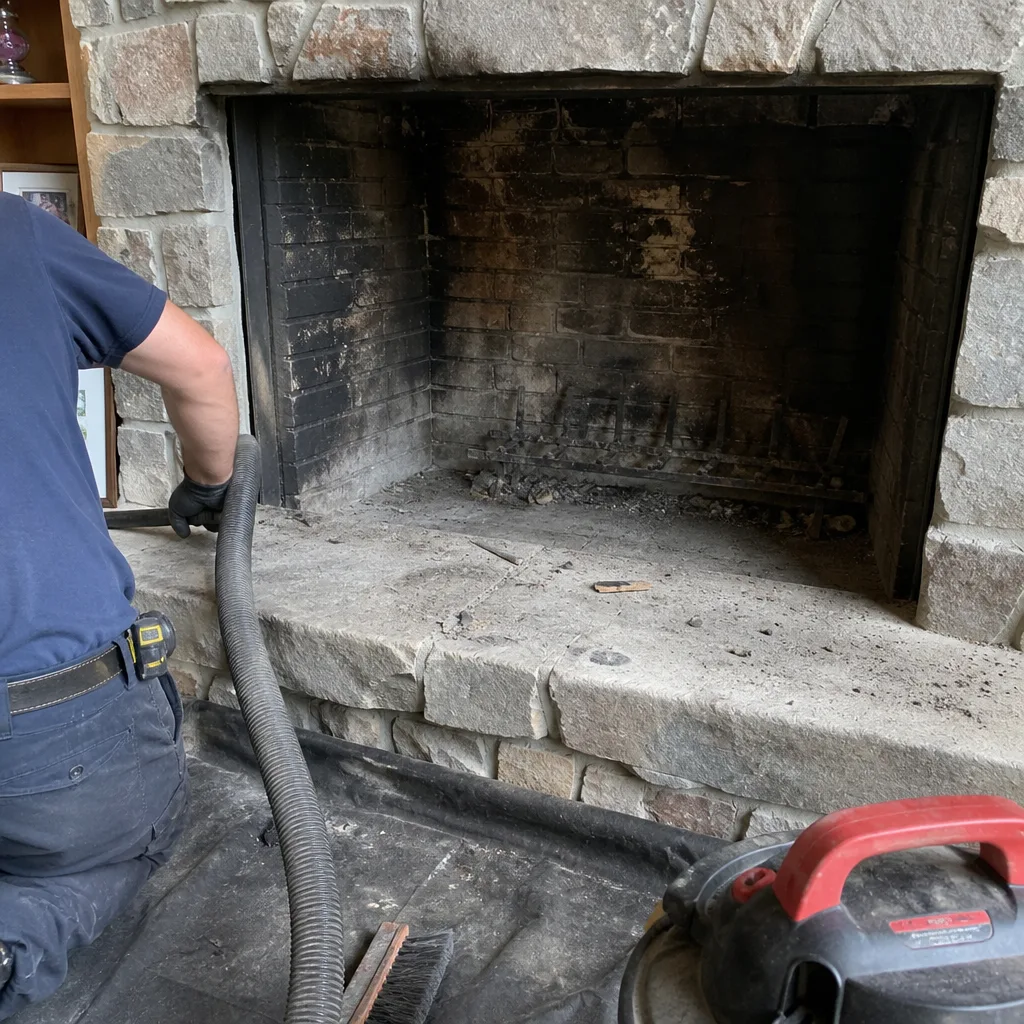 Before
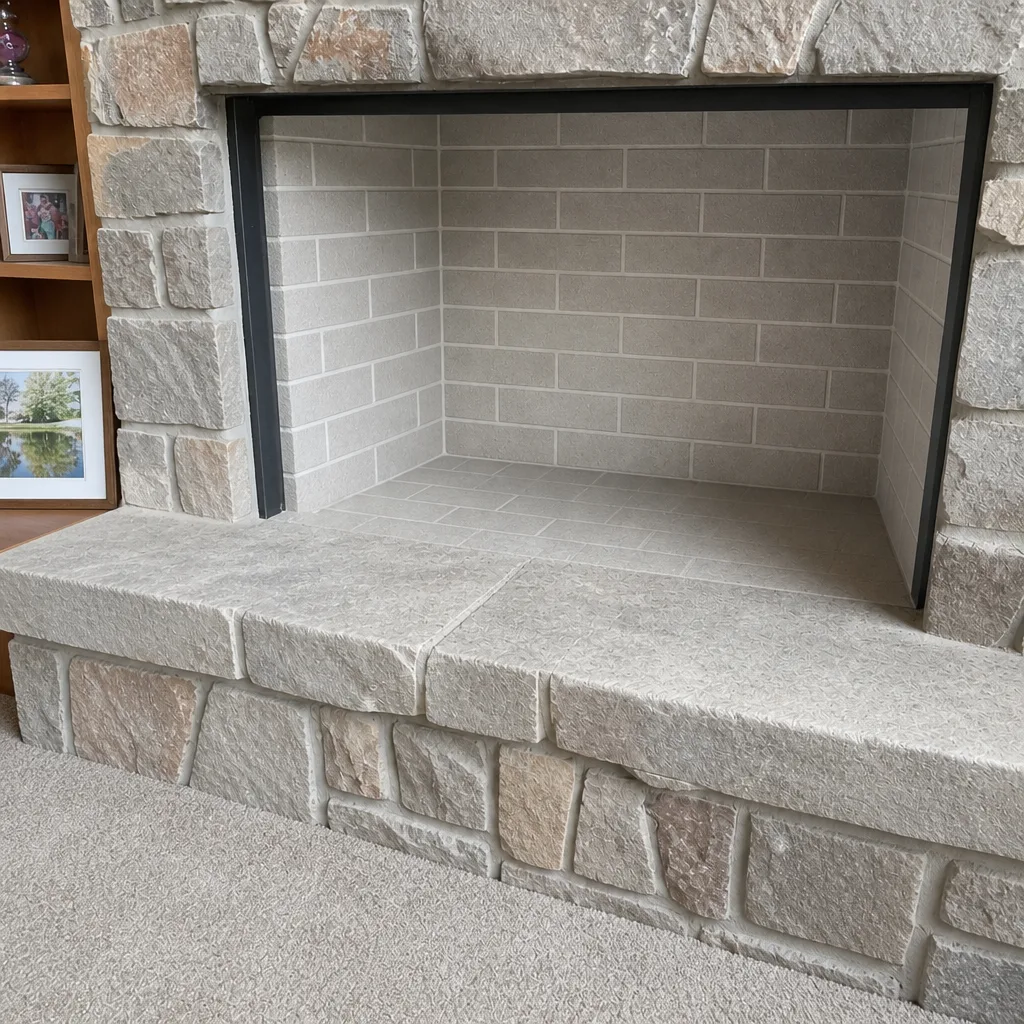 After
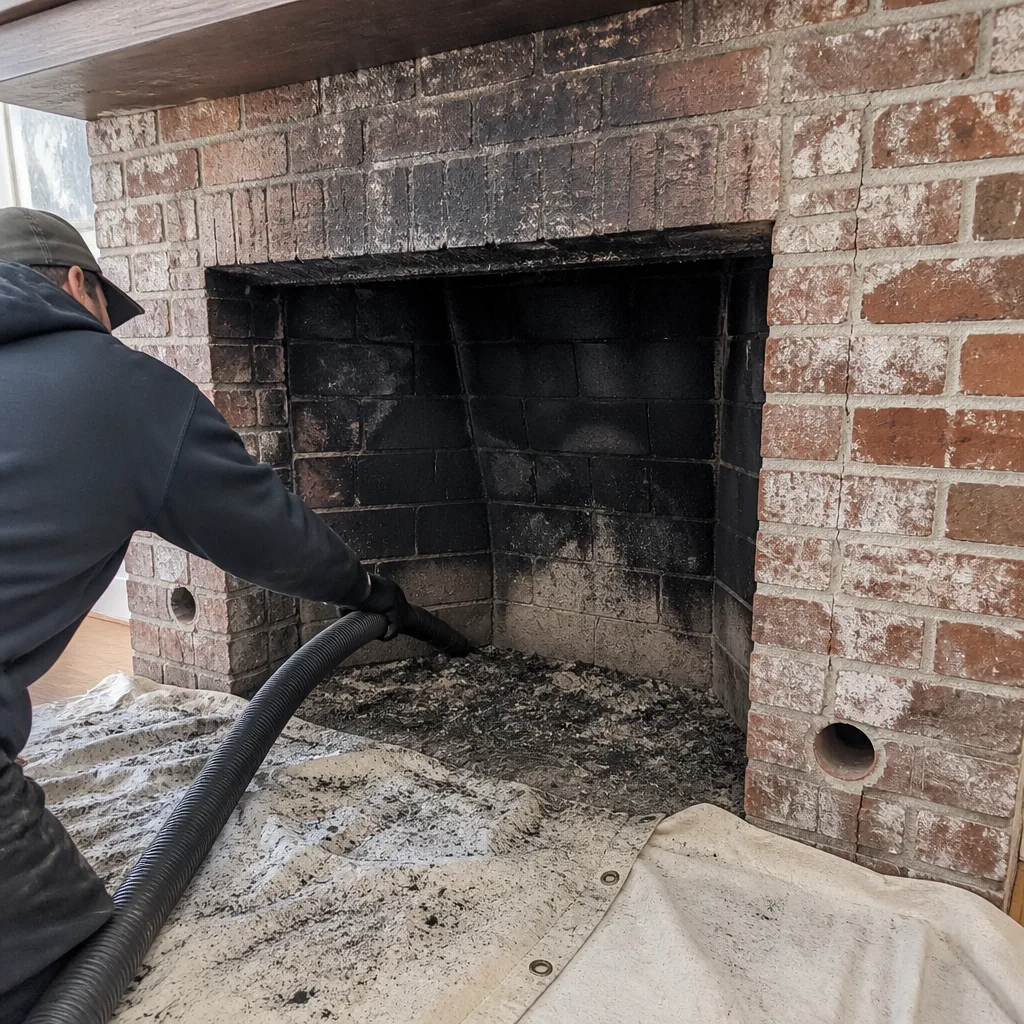 Before
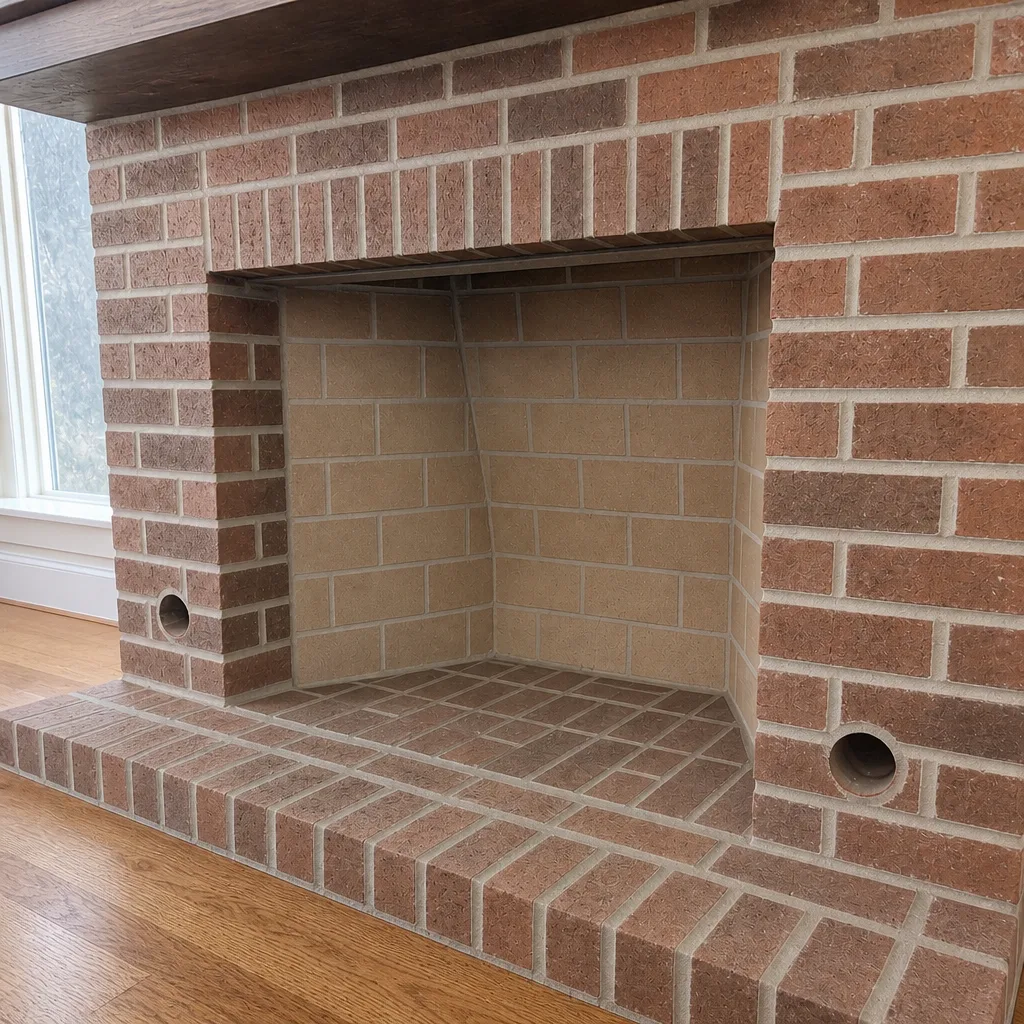 After
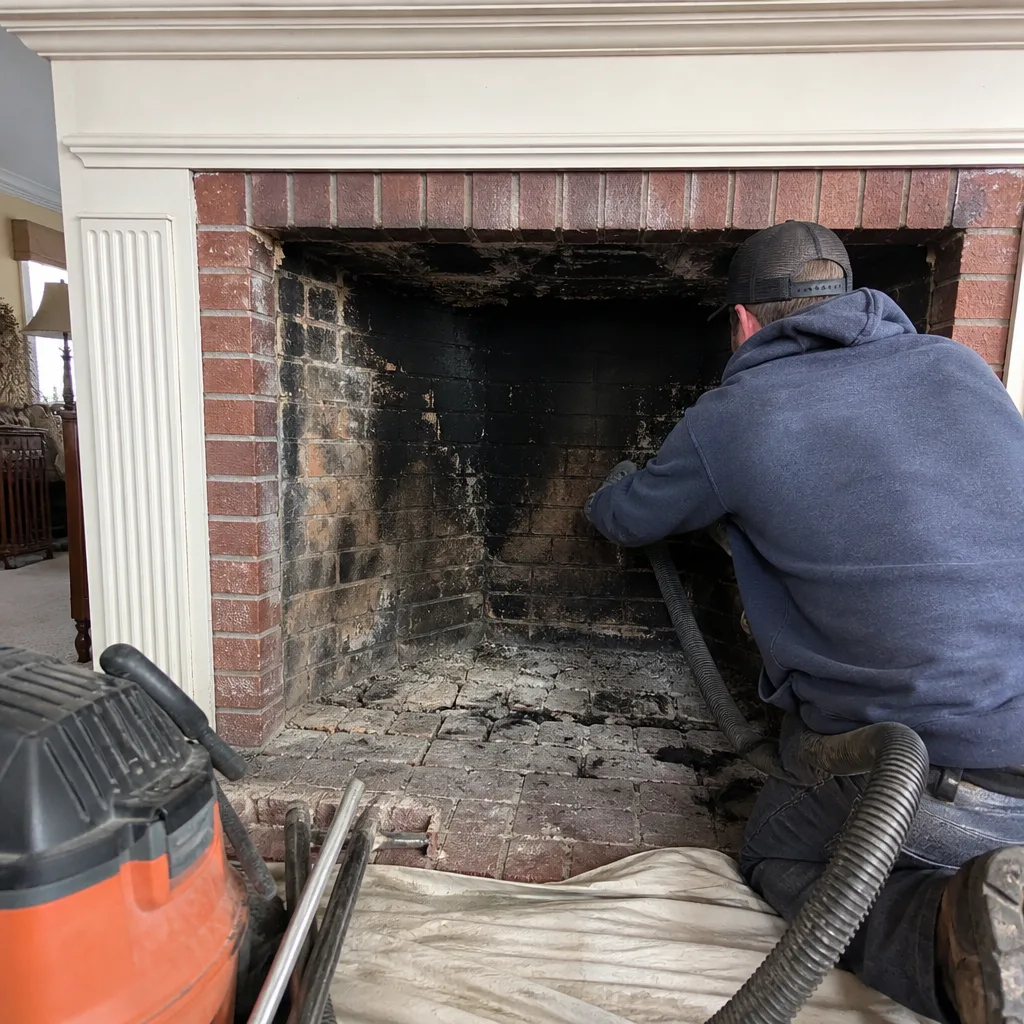 Before
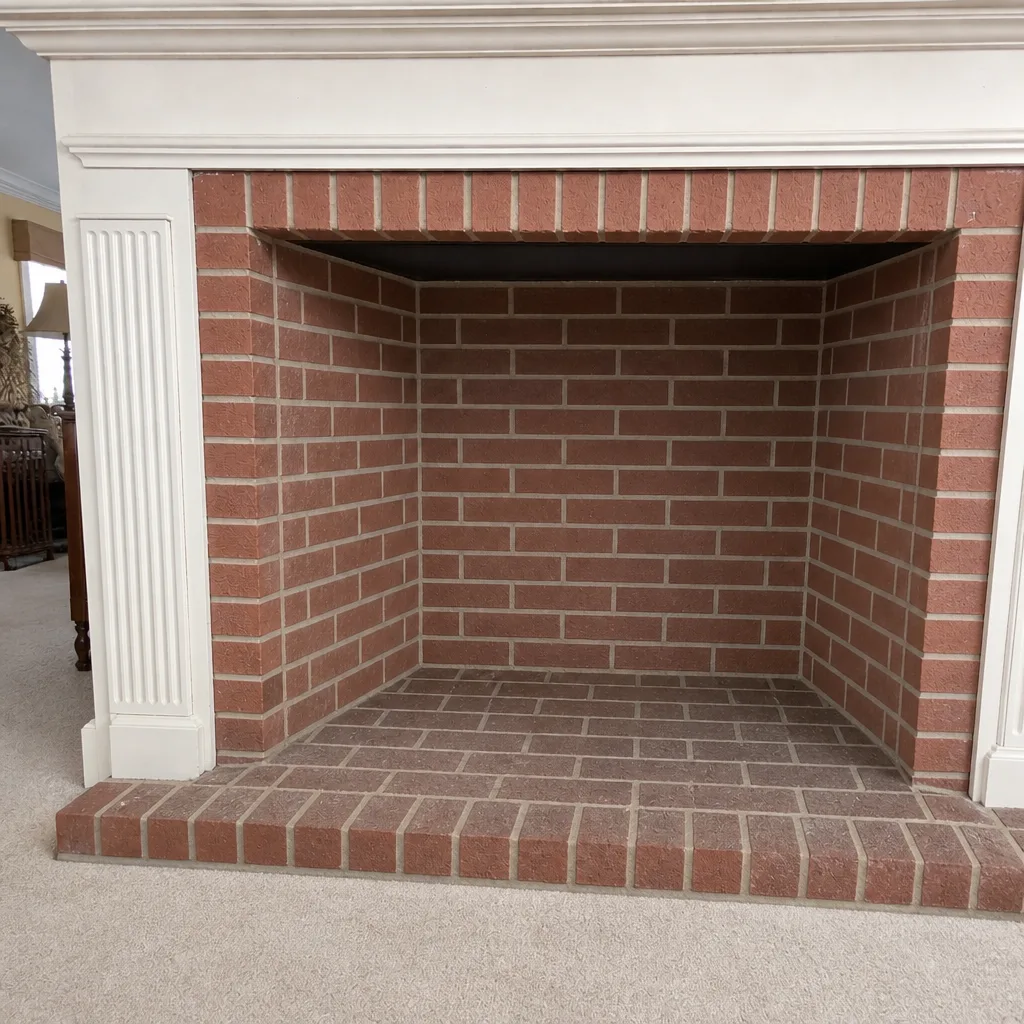 After
When to Call a Professional
Some chimney questions can wait for a scheduled visit. Others shouldn’t. Call a professional when you smell creosote inside the house after a fire, when you see white staining or crumbling mortar on the exterior brick, when the firebox has visible cracks or gaps, when a gas appliance is behaving differently than it used to, or when you’re buying or selling a home and need documentation. Call before you light the first fire of the season if the chimney hasn’t been inspected since the last one. And call before you commit to any structural repair, because the diagnosis and the scope should come before the price, not after. Chimney Sweep Issaquah offers free estimates in Issaquah. Call (855) 550-7279. We answer 24/7. Fast dispatch from 7am to 7pm, Sunday through Friday.
Frequently Asked Questions
No. Routine chimney cleaning and a Level 1 visual inspection don’t require a permit in Issaquah or anywhere in Washington. Permits come into play when the work is structural or changes the venting system, such as relining, a firebox rebuild, or an appliance change. Call (855) 550-7279 for an exact quote on inspection and cleaning, and we’ll tell you if your project crosses into permitted work.
Usually yes. A liner installation changes the venting system, and the Washington State Building Code treats that as regulated work. The local building department for your address decides what submittal is required and how inspections are sequenced. Confirm with the city before work begins. Call (855) 550-7279 for a free estimate on a reline; the written estimate sets the final price.
A Level 2 is required for real estate transactions, appliance changes, and after a chimney fire or significant weather event. The difference is the camera: Level 2 looks inside the flue, where most damage hides. A Level 1 can look perfect while the flue behind it is cracked. Call (855) 550-7279 to book a Level 2 inspection with a photo report.
Contact the City of Issaquah building department (or King County, if your property is in unincorporated area) and ask for the permit history at your address, including inspection sign-off. A permit that was pulled but never inspected is worth flagging. If the records are thin, a Level 2 inspection tells you what’s actually in the flue. Call (855) 550-7279 for a free estimate on an inspection.
Because adjusters check. After a chimney fire, your insurer will ask what liner was installed and whether it was listed and approved for your appliance. An unlisted liner, or an installation that wasn’t permitted, can reduce or void a claim. We specify DuraFlex liner systems and apply HeatShield resurfacing because both are listed products with documented installation standards. Call (855) 550-7279 for a free estimate.
We can show you. Every inspection includes a camera look at the flue and a photo report of what we found. If a repair isn’t required yet, we’ll say so and tell you what to watch for. Nothing is recommended without evidence you can see for yourself. Call (855) 550-7279 to book an inspection as a standalone service.
The Bottom Line
Chimney cleaning doesn’t need a permit. Chimney repair that changes the structure or the venting system usually does, and the cost of getting it wrong shows up years later at resale or at the worst possible moment: an insurance claim after a chimney fire. Issaquah’s local amendments add a layer on top of the Washington State Building Code that’s worth confirming with the city before any structural work. Get the Level 2 inspection when you buy a home or change an appliance. Know what liner is in your flue and whether it’s listed. And when you’re ready to book, call Chimney Sweep Issaquah at (855) 550-7279 for a free estimate. We answer 24/7. Fast dispatch from 7am to 7pm, Sunday through Friday.
Written by the team at Chimney Sweep Issaquah.