
Last updated November 25, 2026
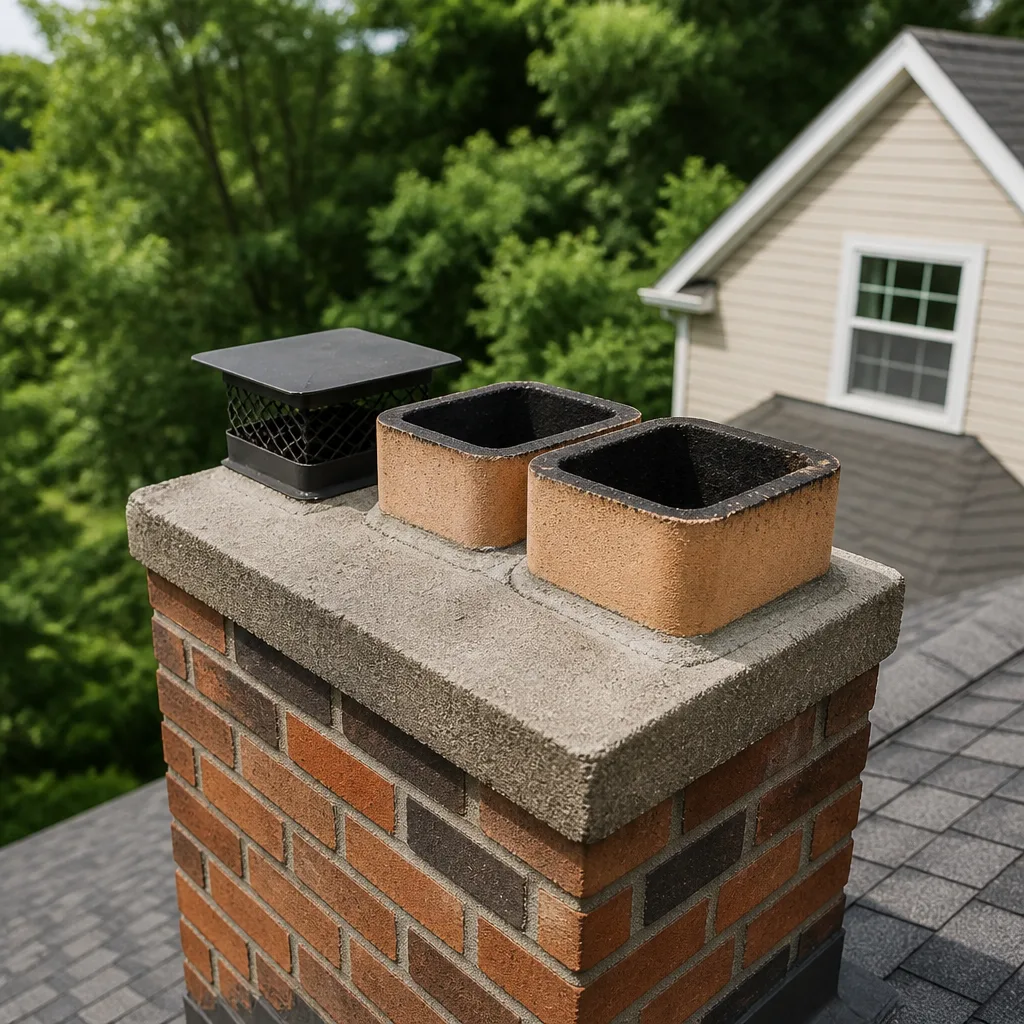 Sweep & inspection
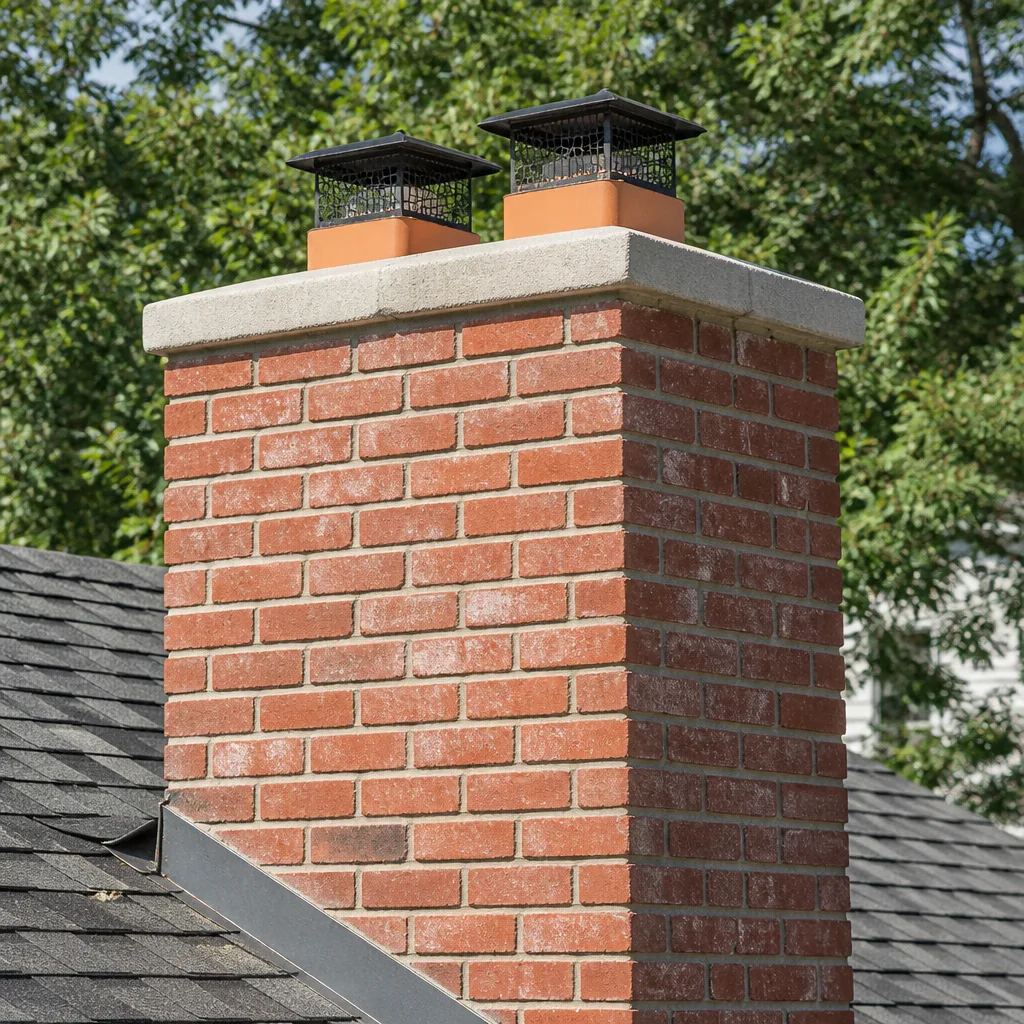 Caps & crowns
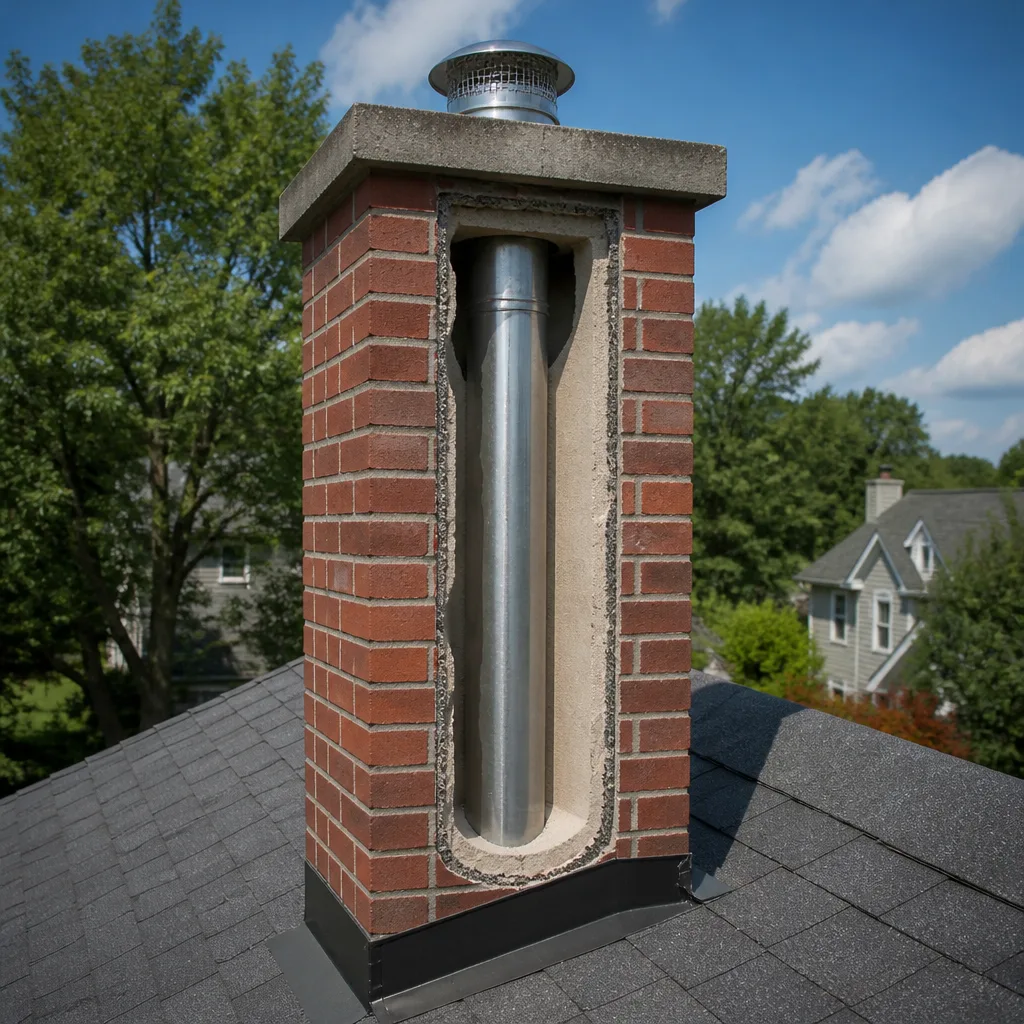 Flue relining
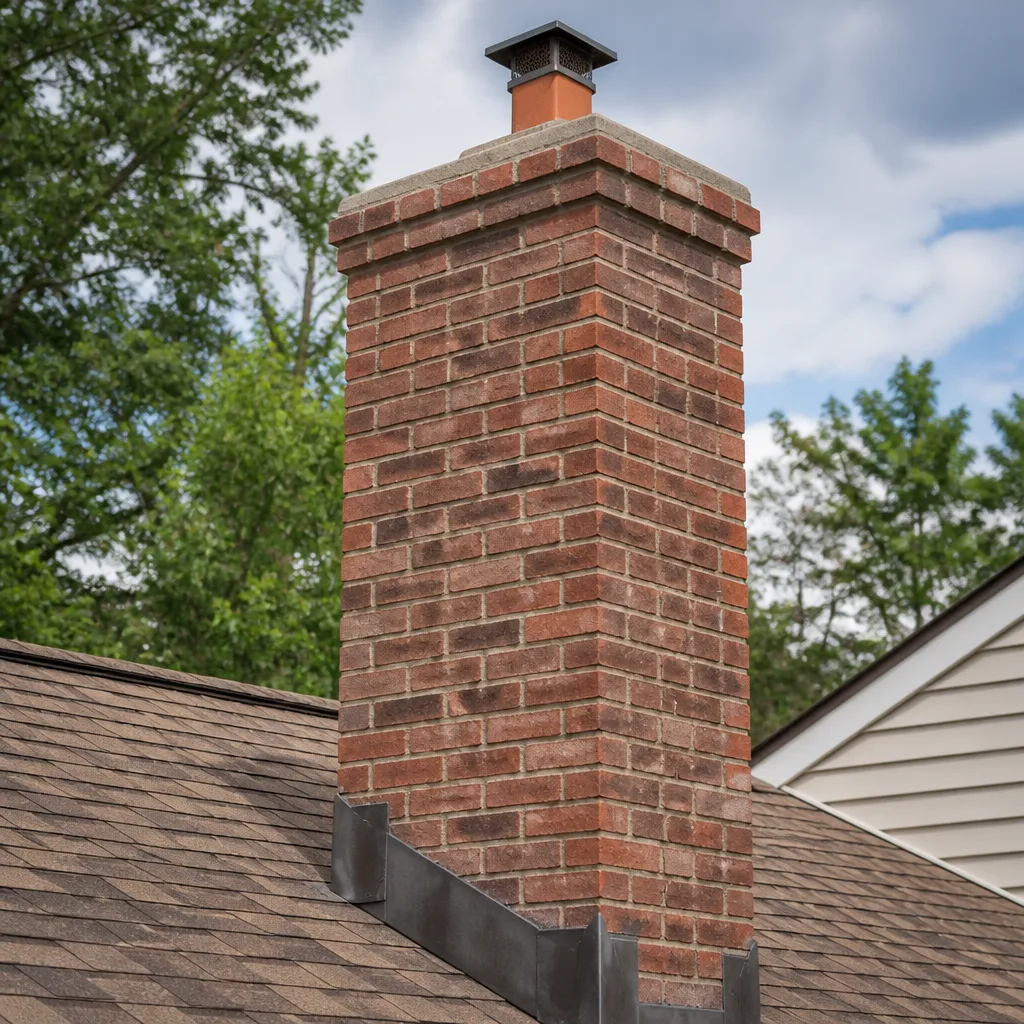 Masonry repair
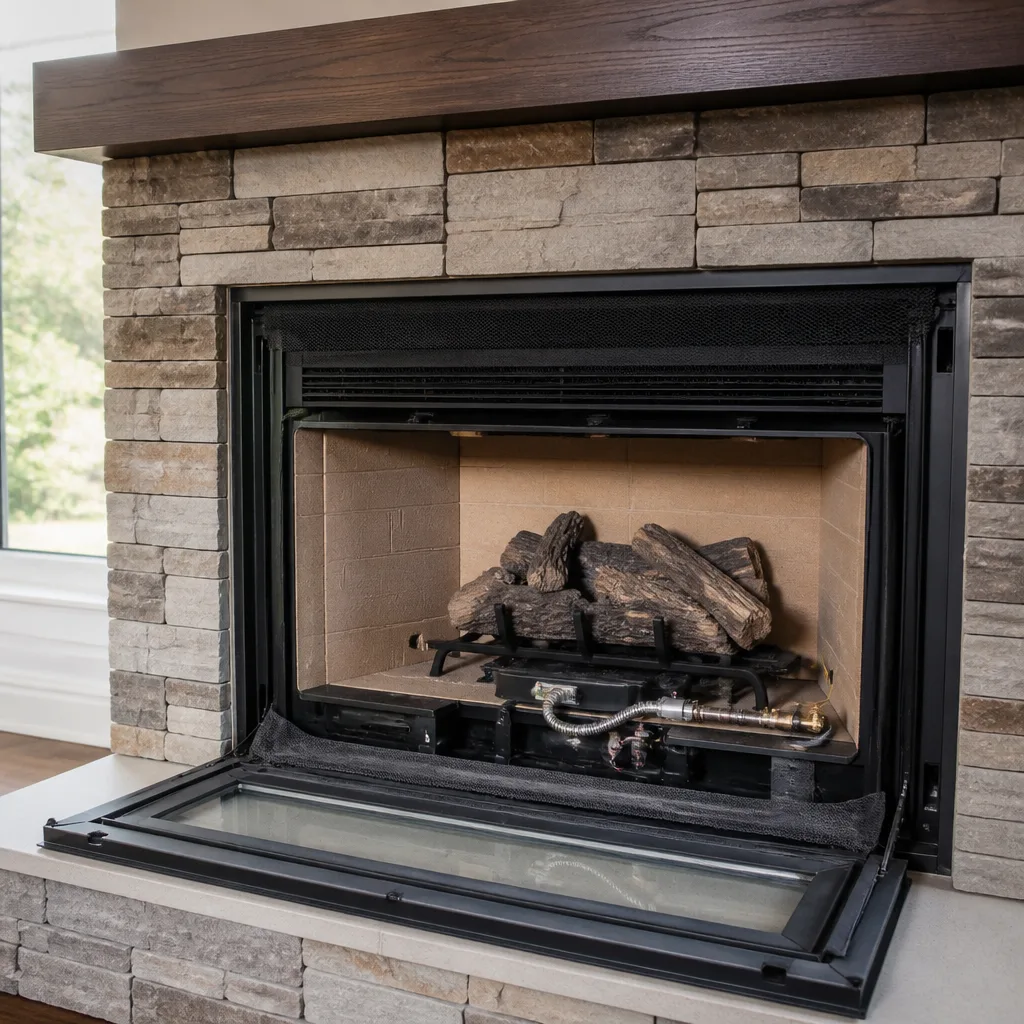 Gas fireplace service
Level 1 sweep and inspection to the NFPA 211 annual standard - flue, crown, cap, and flashing checked and photographed
Chimney sweep logs do not sweep chimneys. They loosen some creosote - which then falls where a brush and vacuum still have to collect it.
Chimney Cleaning Warning Signs: An Issaquah Homeowner’s Reference Guide
Most homeowners assume a chimney problem announces itself as smoke rolling into the living room. In our experience around Issaquah, the loud signals are actually the late ones. The early warnings are quiet: a faint white bloom on the brick, a smell that lingers days after the fire is out, a tick you hear only when the house is still. This guide is a reference, not a checklist to skim. You’ll learn what each symptom usually points to, which ones mean stop using the fireplace today, and which can wait for a scheduled visit. Knowing the difference is how you talk to a sweep like a peer instead of saying “something seems off.”
Quick Answer
The warning signs that matter most in an Issaquah chimney are persistent odor with no fire burning, white or black staining on the exterior masonry, rust streaks on the firebox or flue, and smoke that hesitates or backdrafts into the room. Those four point to moisture intrusion, a compromised liner, or a blocked flue. Stop using the fireplace immediately if you see rust through the metal, smell gas, or find crumbling mortar inside the firebox. Everything else is a scheduling matter, not an emergency.
Styles & brands we work with
- Sweep & inspection
- Caps & crowns
- Flue relining
- Masonry repair
- Gas fireplace service
Table of Contents
- Symptom-to-Cause Reference
- What White, Black, and Rust Staining Actually Mean
- Smoke Behavior Clues and What Causes Them
- Sounds and Smells: Ticking, Scratching, and Persistent Odor
- Cosmetic Wear vs. Structurally Urgent
- When to Stop Using the Fireplace Immediately
- How Issaquah’s Climate Drives Chimney Decay
- Frequently Asked Questions
Symptom-to-Cause Reference
This is the section to bookmark. Each symptom below has a short list of likely causes, ordered from most common to least. We’re not diagnosing your chimney from a page. We’re giving you enough vocabulary to describe what you’re seeing when you call, which shortens the inspection and often the repair.
The single most useful thing you can do is take photos. Shoot the firebox interior with a flash, the exterior masonry at the roofline, and the chimney cap from ground level if you can reach it with a phone camera on a pole. Those three photos tell a sweep more in ten seconds than five minutes of description.
- White powdery staining on exterior brick: efflorescence, usually moisture moving through the masonry. Often points to a failed crown, a missing or damaged cap, or flashing that has pulled away.
- Black staining or soot streaks: incomplete combustion or a flue that isn’t drafting properly. Could be a partial blockage, a damper left partly closed, or a liner that has cracked.
- Spalling brick (faces flaking or popping off): freeze-thaw cycling with moisture trapped inside. Common on older Issaquah homes where the crown has been neglected.
- Rust streaks on the firebox, damper, or flue: water is getting into the chimney, and metal components are reacting to it. This is one of the more urgent categories.
- Smoke smell with no fire: a compromised liner, a blocked flue, or negative pressure pulling old soot odor back into the house.
- Smoke rolling back into the room: backdrafting, usually a draft or pressure problem, sometimes a blockage.
- Ticking or clicking when the house is warm: metal liner or cap components expanding and contracting, or a loose damper. Sometimes harmless, sometimes a sign of a failing liner seam.
- Scratching, fluttering, or chirping: animals or birds in the flue. Needs removal and a cap.
If you want to know the typical cost of a cleaning and inspection before you call, our Chimney Sweep Issaquah page covers pricing and what a visit includes.
What White, Black, and Rust Staining Actually Mean
Staining is the chimney’s way of recording its own history. Reading it correctly saves money. Reading it wrong, or ignoring it, is how small masonry problems become structural ones.
White staining (efflorescence)
Efflorescence is the white, chalky bloom that appears on brick and mortar when water moves through masonry and evaporates on the surface, leaving mineral salts behind. In Issaquah, this is almost always a moisture story, and the source is usually above: a cracked crown, a missing chimney cap, or flashing at the roofline that has failed. Efflorescence itself is cosmetic. The moisture driving it is not.
Black staining
Black staining on exterior brick or around the top of the chimney points to soot and creosote escaping where they shouldn’t. It usually means an incomplete seal somewhere, or a flue that isn’t drafting as designed. Black staining inside the firebox at the top edge often indicates the fire is running too cool or the wood is too green.
Rust streaks
Rust on any part of the chimney system is the one staining color we treat as a near-certain warning. A damp chimney with steel components will rust. Once rust starts, the metal is already losing integrity, and if that metal is your liner, you’re burning through a wall that was designed to hold combustion products.
Spalling brick
Spalling isn’t staining, but it lives in the same family. When brick faces flake or pop off, moisture is freezing inside the brick and pushing outward. Issaquah’s freeze-thaw cycles in late winter are hard on old masonry.
If you’re seeing rust or spalling, a condition assessment before anything else is the right next step. Our chimney repair team can look at the masonry and the flue together, which is why we keep cleaning and repair under one roof.
Smoke Behavior Clues and What Causes Them
Smoke is the chimney’s most honest instrument. Where it goes, how fast it goes, and how long it takes to start moving tells you what the flue is doing.
Delayed draw
If you light a fire and the smoke hovers in the firebox before it starts drawing, the flue is cold or short on draft. Cold-start hesitation is common in Issaquah in fall and early winter, when outdoor air is close in temperature to the flue. A pre-warm with a rolled piece of newspaper near the damper usually resolves it. If it takes more than a minute to establish draw every time, ask your sweep to check for a flue obstruction or a sizing mismatch.
Backdrafting and smoke in the room
Backdrafting means air is moving down the flue instead of up. That’s a pressure problem, not necessarily a flue problem. Modern Issaquah homes with tight envelopes and powerful kitchen or bath exhaust fans can pull harder than the chimney’s natural draft. Crack a window near the fireplace and see if draw returns. If it does, your chimney is fine and your house is over-pressurized. If it doesn’t, you likely have a blockage, a damper issue, or a damaged liner.
Smoke smell in a cold room
Your opening hook was real: a strong smoke smell in a room with no fire is a liner warning, not a faint nuisance. When a liner has cracked or separated, soot odor can migrate into the house even with the damper closed. In western Washington, that smell often gets worse in the rainy season because moisture is activating old deposits.
Smoke escaping at joints
Smoke curling from a seam in a prefab chimney or escaping around the damper is a seal failure. These are usually worth an inspection rather than another fire.
Sounds and Smells: Ticking, Scratching, and Persistent Odor
Chimneys are quiet by design. Any repeatable sound deserves a look.
Ticking or clicking
A ticking chimney is usually metal. Flexible liners and caps expand and contract with heat, and a tick when the house warms up or the fire cools down is often benign. A tick during active burning, or one that started suddenly, is worth a closer look because it can indicate a liner seam or a loose component moving with heat.
Scratching, fluttering, or chirping
Animal or bird activity in the flue. Squirrels and chimney swifts are common in wooded areas around Issaquah, and a missing cap is the usual invitation. Animals need to be removed before any cleaning, and a properly fitted cap from a brand like Olympia Chimney prevents the next one.
Persistent odor
A musty smell that doesn’t clear after a good week of dry weather usually means moisture and organic material in the flue. A creosote smell that comes back every summer is different: warm, humid air moving down the flue and picking up creosote residues. If the smell is sharp, acrid, or chemical, stop using the fireplace and call a sweep. It can point to a blockage, a dead animal, or a liner problem.
Sounds you should never dismiss
Hissing or roaring from the chimney when you haven’t lit a fire is a stop-and-call signal. It can indicate a chimney fire that has already started or a pressure event. Get everyone out, call the fire department, and don’t use the fireplace until a professional has inspected it.
Cosmetic Wear vs. Structurally Urgent
Most of what homeowners worry about on a chimney falls into the cosmetic category. The skill is separating the small stuff from the real stuff without overreacting to either.
Cosmetic issues are surface-level and don’t affect the flue’s ability to carry smoke safely or the chimney’s ability to stay standing. Structural issues are ones that compromise containment, water shedding, or the masonry itself.
Usually cosmetic
- Light efflorescence that brushes off
- Faded mortar color or minor staining at the crown edge
- Small hairline cracks in the firebrick that don’t catch a fingernail
- Minor soot darkening on the firebox face
- A loose brick at the top of a decorative chimney stack that isn’t part of the flue structure
Structurally urgent
- Cracks in firebrick you can catch a fingernail in
- Rust on metal flue components
- Missing mortar joints in the flue chase
- Spalling brick on the chimney body
- A cracked or missing chimney crown
- Flashing that has pulled away from the roofline
- Any visible liner seam separation
You don’t have to be the expert. You do have to be honest about which list your symptom belongs to when you call. A sweep can then match the urgency.
When to Stop Using the Fireplace Immediately
Some warning signs mean pause the fire. A few mean stop entirely until a professional has eyes on the system.
Stop using the fireplace immediately if you notice:
- Rust streaks on the firebox or flue liner
- Crumbling mortar inside the firebox
- Visible cracks in the firebrick you can catch a fingernail in
- Hissing or roaring from the chimney with no fire lit
- A gas smell with a gas fireplace
- A strong, sharp smoke smell that won’t clear
- Black soot streaks on the exterior around the chimney top
- Smoke rolling steadily into the room even with a window cracked
For anything on this list, don’t light another fire. Instead, book an inspection. Our fireplace repair team is the other half of that visit, so if the inspection turns up a firebox issue, we can move into repairs without a second company.
Schedule a non-emergency inspection if you notice:
- Mild efflorescence on the exterior
- Slow draft on cold starts that resolves in under a minute
- Occasional smoke smell in a cold room
- A missing chimney cap
- Bird or animal sounds in the flue but no fire in use
- Annual soot buildup that feels heavier than last year
- Peeling paint on chimney exterior masonry
Non-emergency doesn’t mean unimportant. It means you can schedule a chimney sweep without changing your evening plans.
How Issaquah’s Climate Drives Chimney Decay
Issaquah sits in a wet, moderate corner of western Washington where chimneys are under constant slow pressure rather than the dramatic freeze-and-thaw cycling of colder climates. That changes which warning signs appear first.
The rainy season is long. Masonry that stays damp for months on end pulls water into brick and mortar through capillary action. That moisture fuels efflorescence, drives spalling through the winter’s handful of freeze-thaw cycles, and rusts metal liners from the inside. A home near the Issaquah Alps or on any of the wooded lots toward Tiger Mountain gets another factor: overhanging trees keep the chimney shaded, and shade keeps it damp long after the rain stops.
The other Issaquah-specific factor is that many homes here switch between wood-burning and gas fireplaces without changing their chimney setup. A gas insert with a wood-burning flue is fine, but the flue needs different maintenance and a different venting cap. We specify DuraFlex liner systems for relining because they handle both scenarios well, and Olympia Chimney and Copperfield components because they’re what working technicians rely on for caps and terminations that survive a wet climate.
We also see a lot of capped chimneys that have been capped the wrong way. A cap that seals too tightly traps moisture. A cap that doesn’t seal at all lets rain in. The middle ground matters, and that’s a detail worth being specific about.
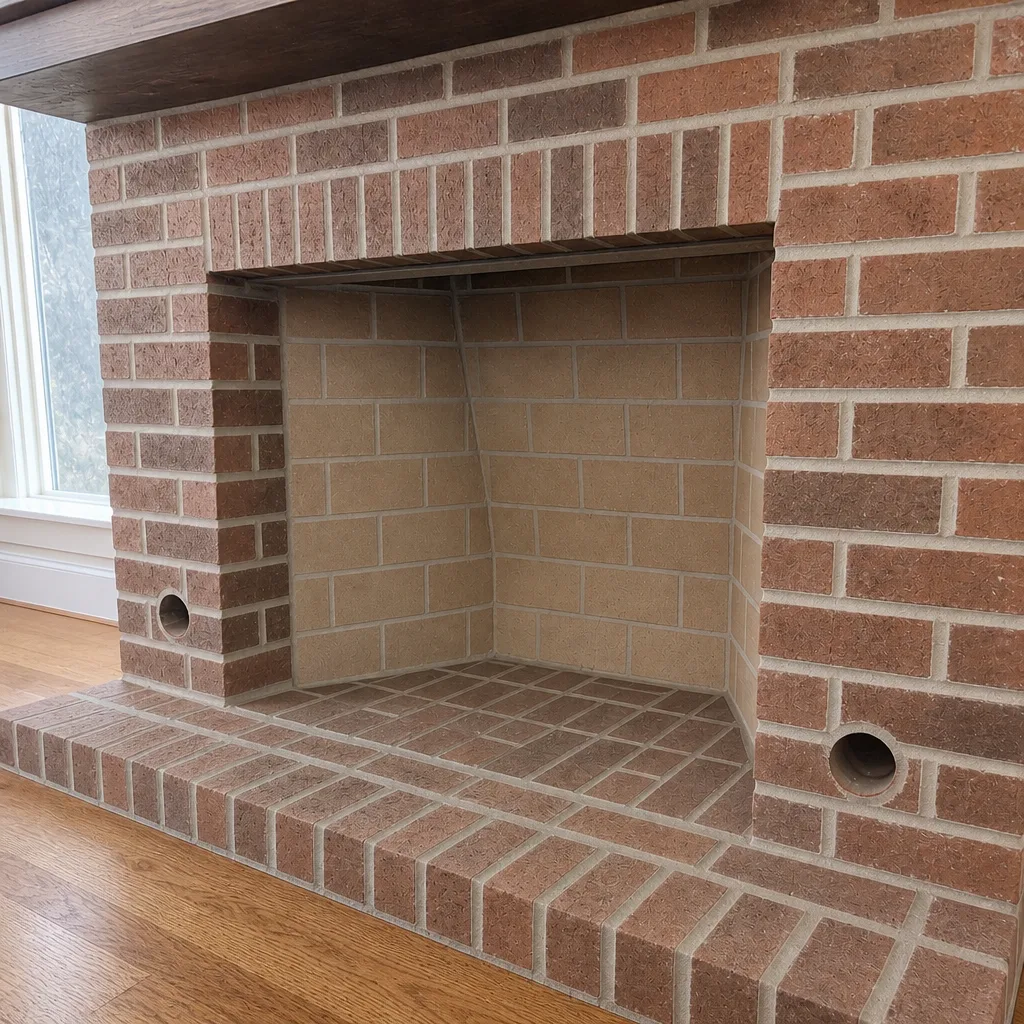
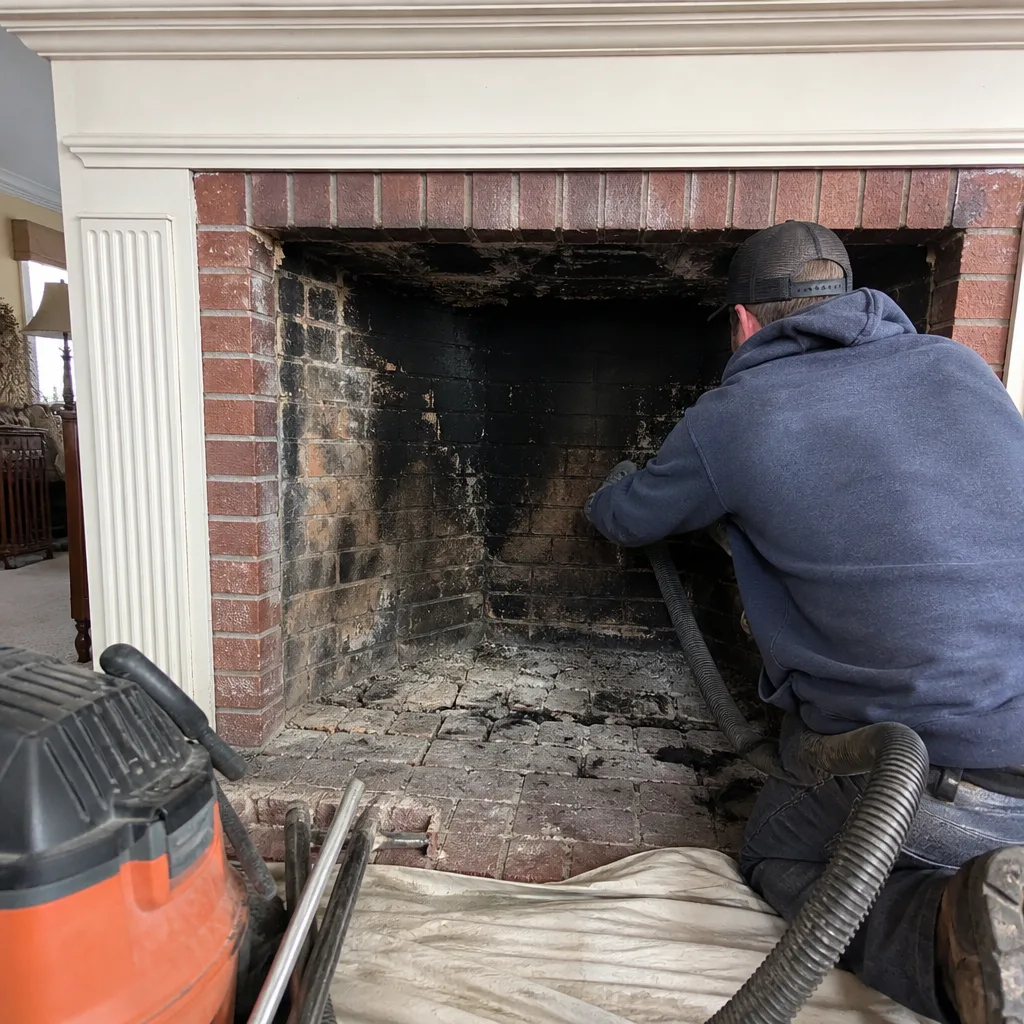
See the difference
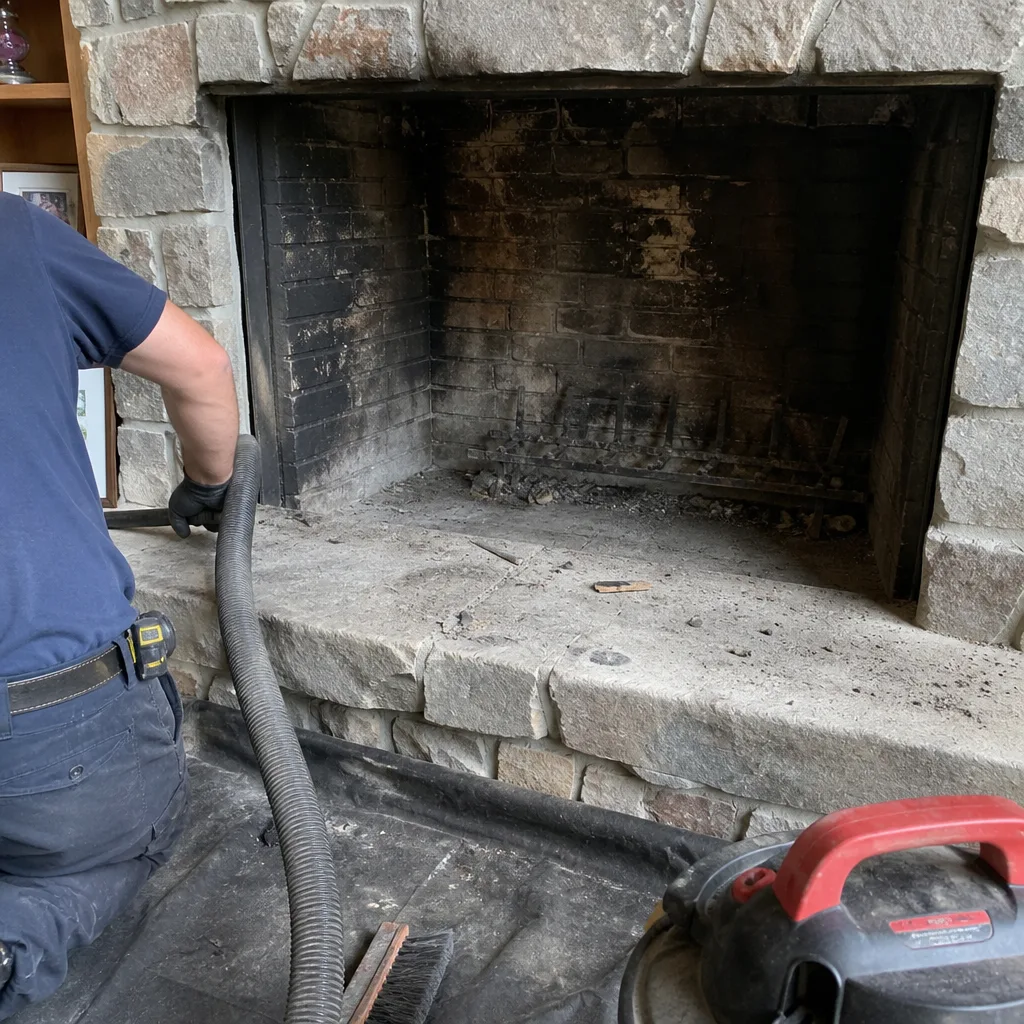 Before
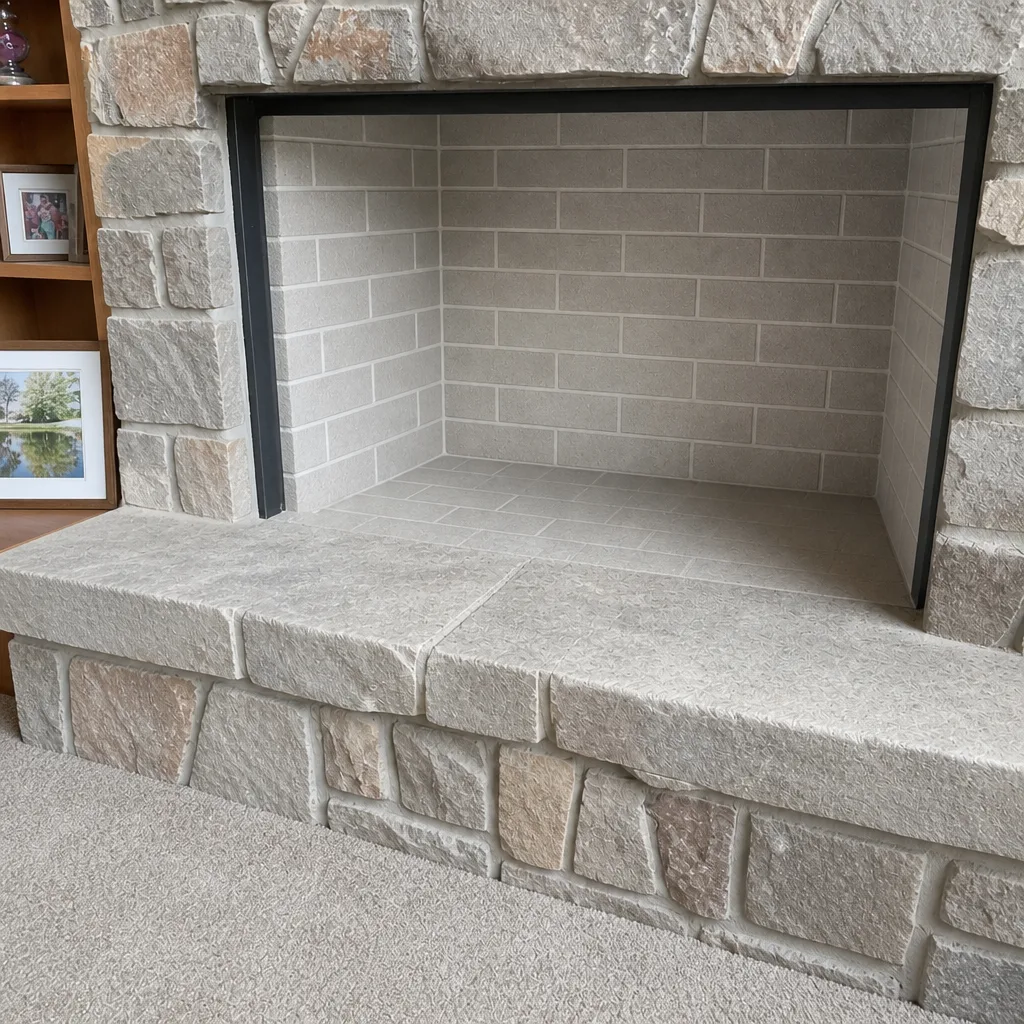 After
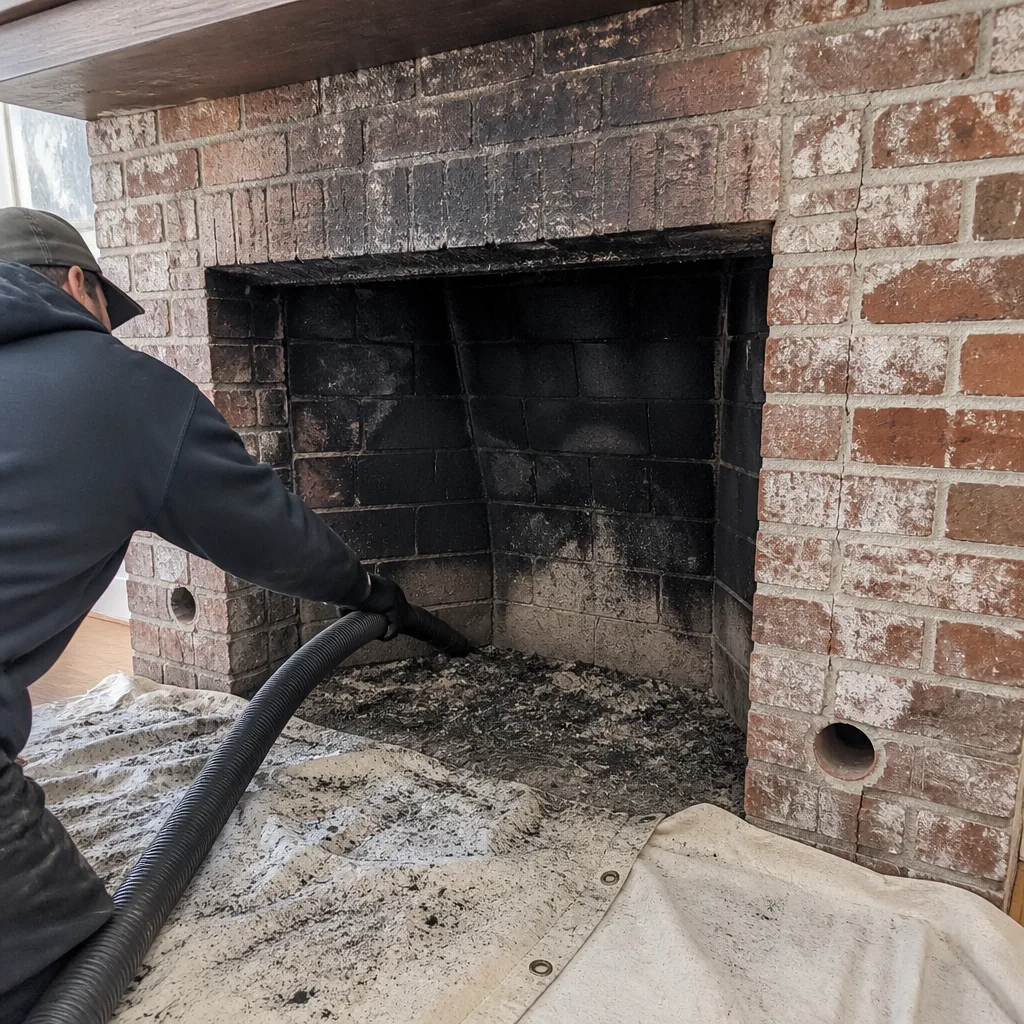 Before
 After
 Before
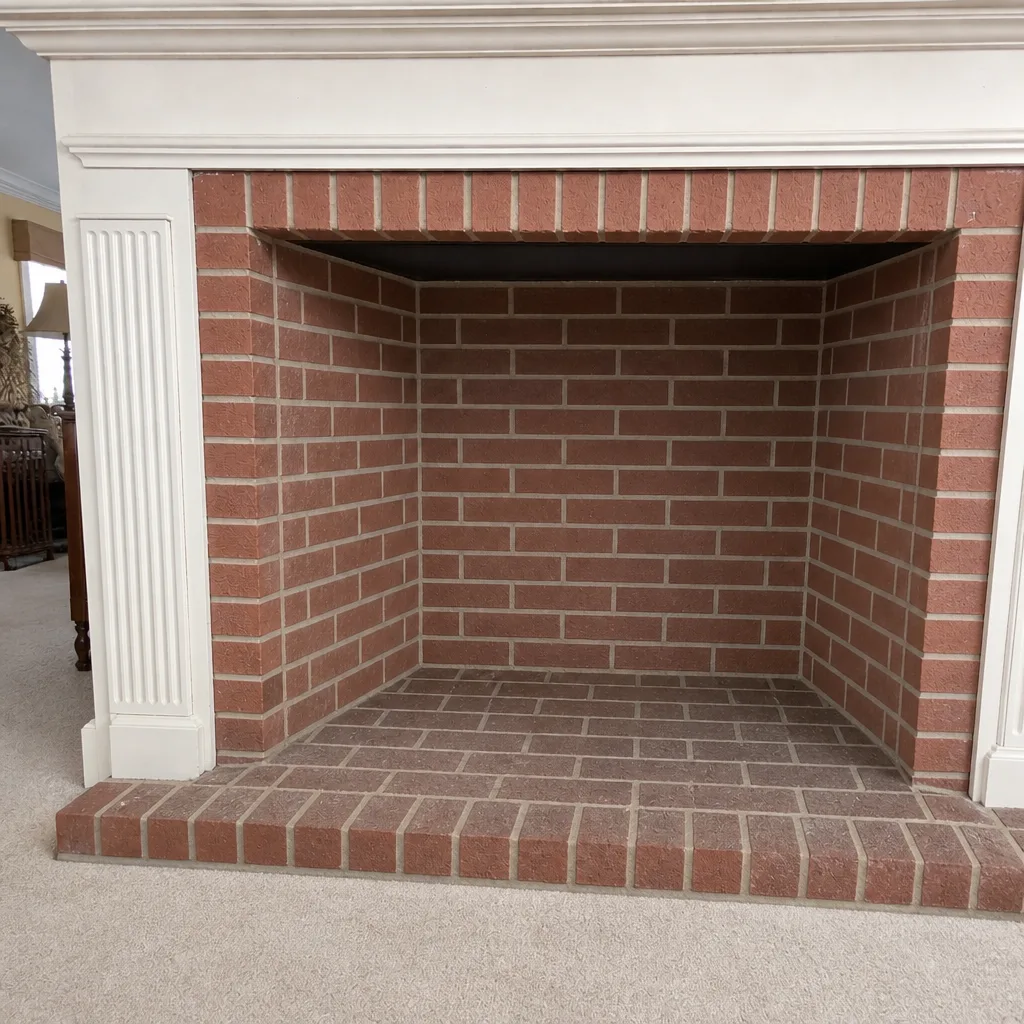 After
Common Mistakes to Avoid
- Painting over efflorescence with a waterproof masonry sealer. It traps moisture and pushes spalling further in. The moisture source needs to be fixed first, and the sealer choice matters more than most homeowners realize.
- Assuming a cold-start smoke hesitation is normal. A little is normal. Every fire taking a full minute to draw is worth investigating, and often it’s a partial blockage rather than a draft quirk.
- Treating a missing chimney cap as an optional accessory. Around Issaquah, an uncapped flue is an invitation to rain, animals, and eventually a liner that rusts from the inside out. Cap and crown work is part of what we do, not an upsell.
- Using a general handyman for chimney repairs. Masonry that looks simple is often load-bearing in ways a generalist won’t catch. Chimney work has its own methods, and resurfacing a liner with HeatShield is a good example: it’s a specialist application most contractors can’t offer.
- Skipping the inspection because the fireplace “seems fine.” Many of the structural problems we find in Issaquah chimneys have no visible symptoms from the living room until they’ve already become repairs.
- Ignoring a smoke smell that comes back every summer. The smell is real, and the underlying cause usually is too. It’s often a draft and moisture issue rather than a cleaning issue.
- Calling a sweep after the problem has escalated. The old expression applies: a cheap sweep beats an expensive rebuild. Replacing a liner is more work than cleaning one.
When to Call a Professional
Call a professional if you see any of the stop-immediately signals above, if you’ve never had the chimney inspected and you burn wood regularly, if you’re buying a home with a fireplace in Issaquah and want to know its condition, or if you notice any warning sign that has changed or worsened over a season. We also recommend a call before your first fire of the year, not after. Our technicians have up to 10 years of experience and can walk you through what we’re checking and why.
Chimney Sweep Issaquah offers free estimates in Issaquah. Call (855) 550-7279. We answer 24/7. Fast dispatch from 7am to 7pm, Sunday through Friday.
Frequently Asked Questions
The most common are efflorescence (white staining) on exterior brick, a smoke smell in the house when no fire is burning, rust streaks on firebox or flue metal, and smoke hesitation on start-up. Each has a short list of likely causes, and the mix is often moisture-related because of Issaquah’s long rainy season. Call (855) 550-7279 for an inspection that sorts out which causes apply to your chimney.
It can be, yes. A persistent smoke smell in a cold room usually points to a liner that has cracked or separated, a blocked flue, or a draft issue pulling old soot odor back into the house. In Issaquah’s wet climate, moisture activating old creosote is another common cause. It’s worth an inspection rather than a plug-in air freshener. Call (855) 550-7279 for a free estimate.
Cosmetic issues stay on the surface: light efflorescence that brushes off, faded mortar color, hairline firebrick cracks you can’t catch a fingernail in. Structural issues compromise containment or water shedding, like rust on metal flue parts, spalling brick, a cracked crown, or flashing that’s pulled away. If you’re unsure which list your symptom belongs to, that uncertainty is your reason to call. Call (855) 550-7279 and we’ll walk through it before we book anything.
Usually it’s metal expanding and contracting with heat, which is often benign. If it starts suddenly, if it continues during active burning, or if it comes with a smoke smell or rust, it’s worth a closer look. Liner seams and loose components are the categories we rule out. Call (855) 550-7279 for an inspection if the ticking is new.
Once a year is the general norm, and more often if you burn wood heavily or notice any warning signs. Our wet climate makes moisture the dominant long-term risk, so an annual check catches moisture problems before they become masonry repairs. Call (855) 550-7279 to schedule.
One company. Cleaning, inspection, fireplace repair, chimney repair, and cap and crown work all fall under the same roof at Chimney Sweep Issaquah, which matters when the inspection turns up something. We specify HeatShield for liner resurfacing, DuraFlex for relining, and Olympia Chimney and Famco components where they’re the right fit. Call (855) 550-7279 for a free estimate.
The Bottom Line
Most chimney problems in Issaquah give you weeks of warning before they become expensive. Read the staining, listen to the smoke, notice the smells, and take photos. Then call someone who can sort cosmetic from structural without pressuring you into anything. Cleaning, inspection, repair, and cap work all belong in the same conversation, and they belong with a company that uses professional-grade materials like HeatShield, DuraFlex, Olympia Chimney, Famco, Copperfield, and Gelco rather than whatever is cheapest. You don’t have to know which warning sign is serious before you call. You just need to call before the sign you’ve been ignoring gets worse.
Written by the team at Chimney Sweep Issaquah.