
Last updated November 25, 2026
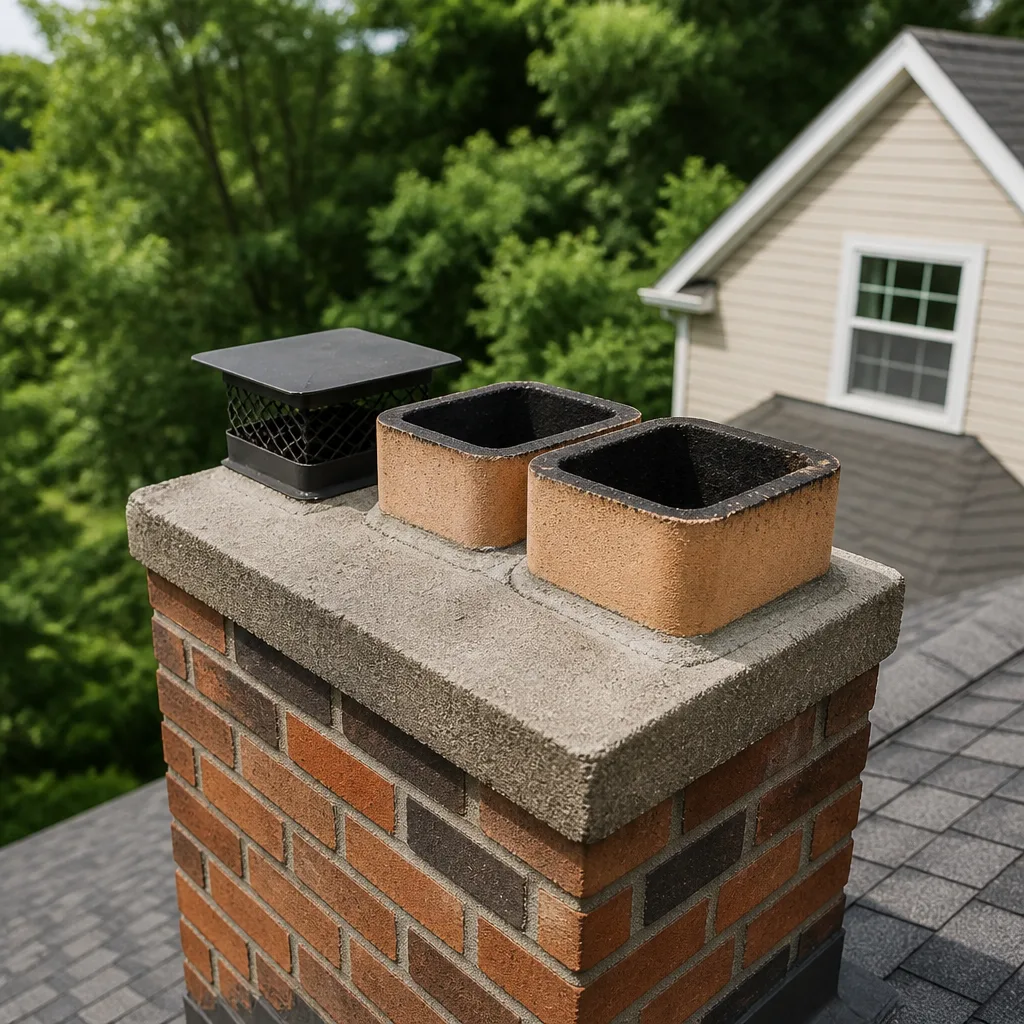 Sweep & inspection
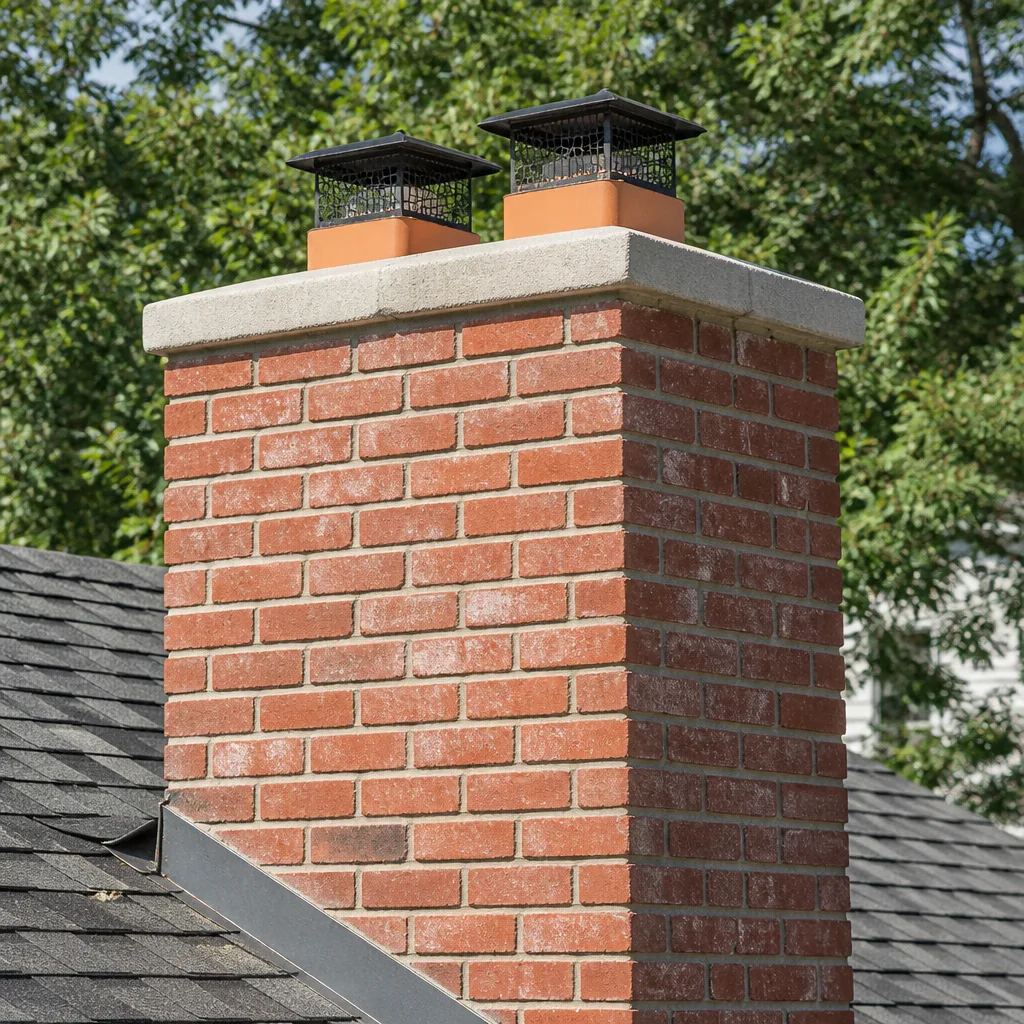 Caps & crowns
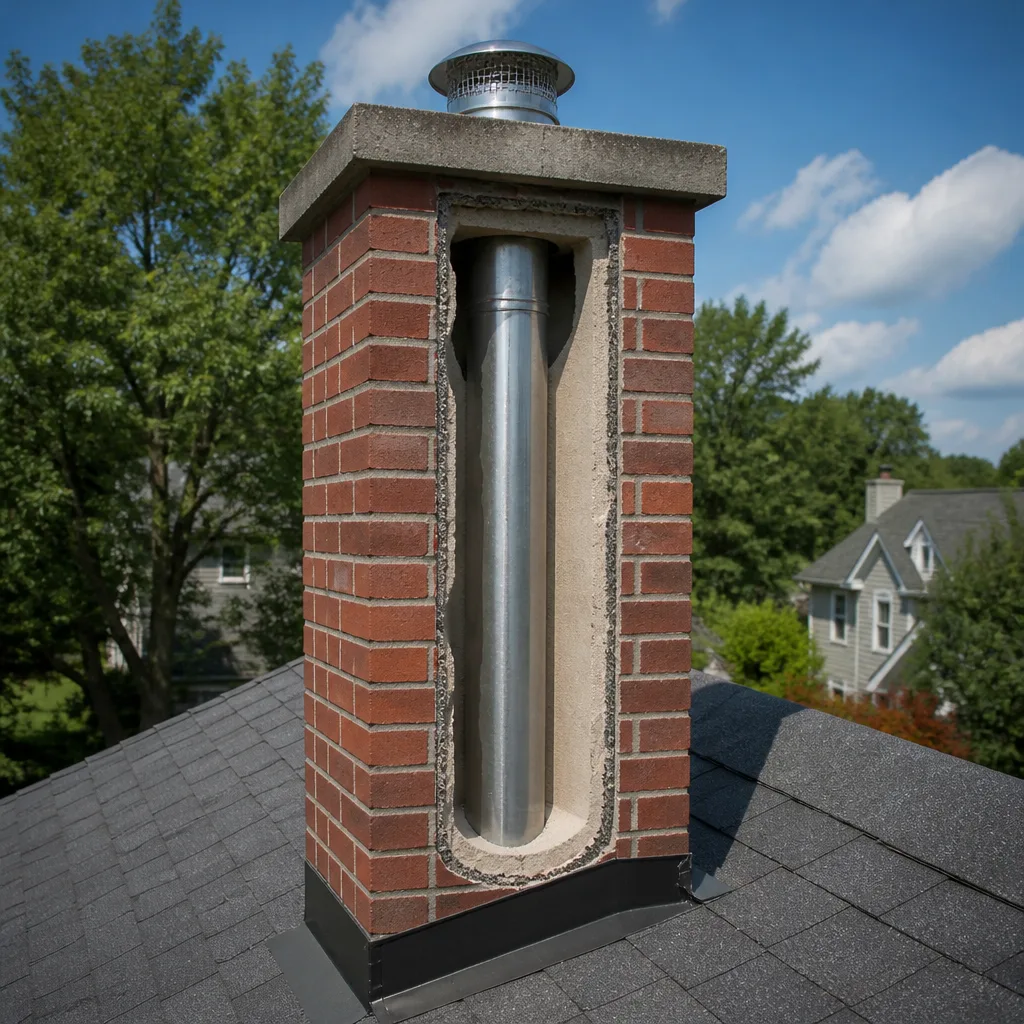 Flue relining
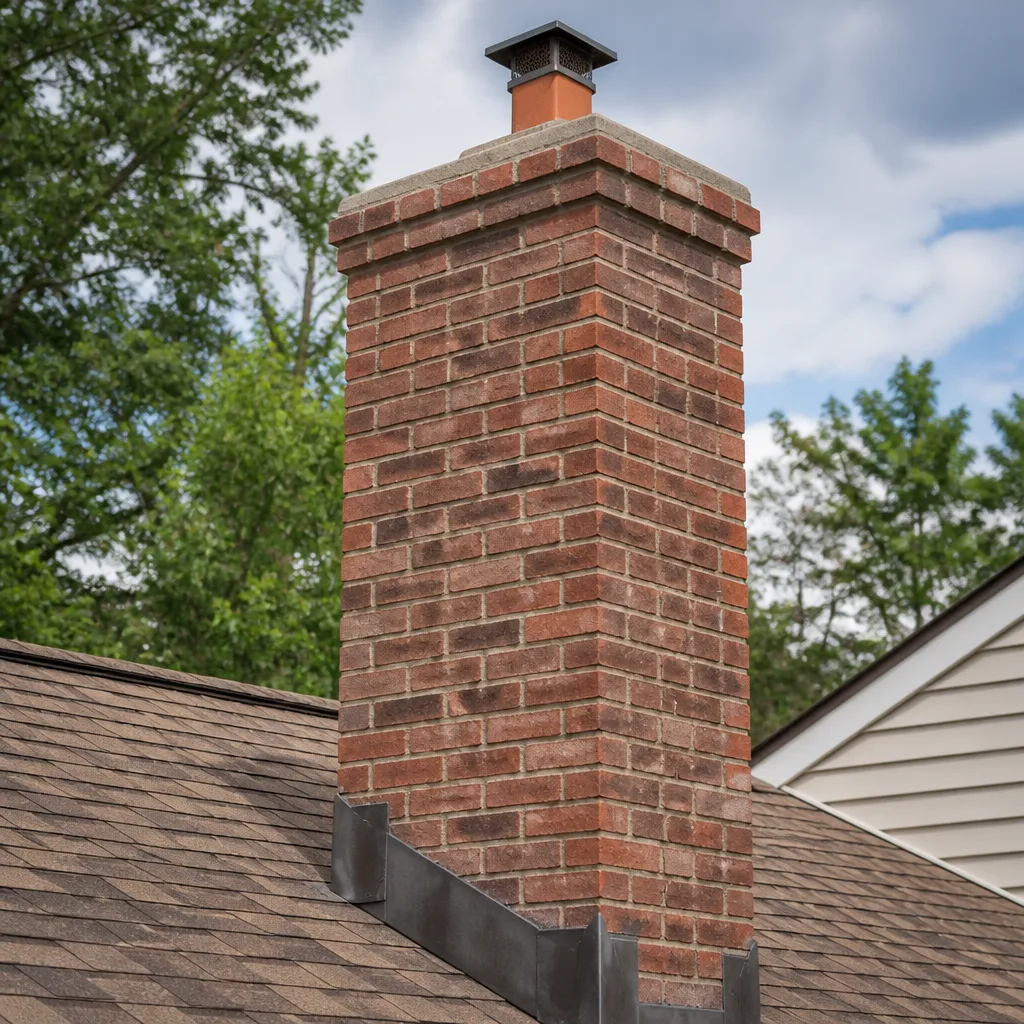 Masonry repair
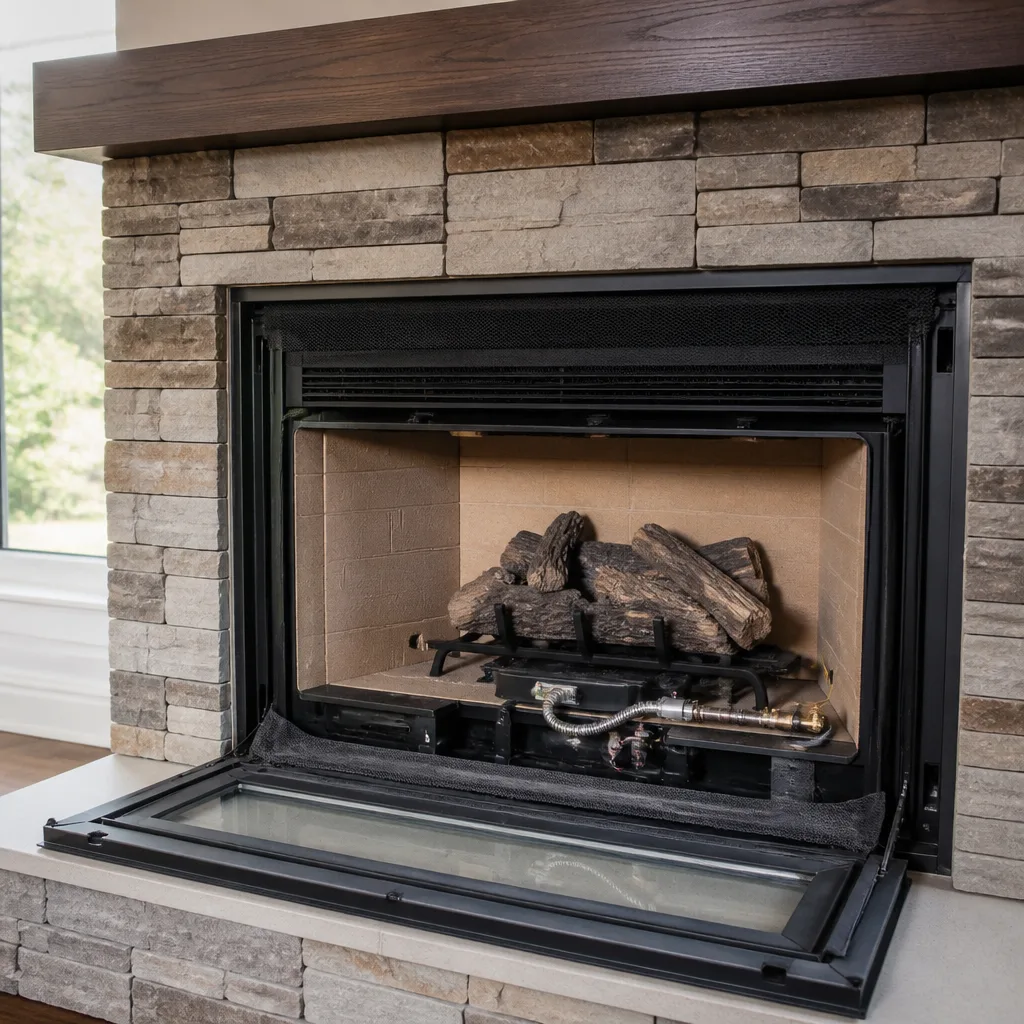 Gas fireplace service
Level 1 sweep and inspection to the NFPA 211 annual standard - flue, crown, cap, and flashing checked and photographed
Chimney sweep logs do not sweep chimneys. They loosen some creosote - which then falls where a brush and vacuum still have to collect it.
Chimney Sweep Troubleshooting in Issaquah: Common Problems and How to Fix Them
A smoky living room isn’t a chimney problem. It’s a symptom report. The actual cause could be a physical blockage, a pressure imbalance inside the house, a damper that no longer seals, or a flue that was never sized correctly for the appliance it serves. The mistake most homeowners make is treating the symptom first: opening a window, cracking the damper a little wider, or ignoring the smell until spring. That’s how a small issue turns into a major repair. In this guide, we’ll walk through the real causes behind the most common chimney complaints in Issaquah, how to read the early warning signs yourself, and when to stop burning and call a professional.
Quick Answer
Most chimney problems in Issaquah come down to one of two root causes: moisture intrusion or incomplete combustion. Smoke rolling into the room usually points to pressure or blockage issues, while crumbling mortar, efflorescence, and rusted components point to water. Diagnosing which category you’re dealing with determines every repair decision that follows. If you see heavy creosote glaze, a cracked flue tile, or smell gas, stop using the fireplace and schedule an inspection before the next fire.
Styles & brands we work with
- Sweep & inspection
- Caps & crowns
- Flue relining
- Masonry repair
- Gas fireplace service
Table of Contents
- Smoke Backdraft vs. Physical Blockage
- Moisture, Spalling, and Efflorescence
- Negative Pressure in Modern Homes
- Reading Creosote as a Combustion Diagnostic
- Draft Problems That Aren’t Blockages
- When to Stop Using the Fireplace Immediately
- Symptoms That Can Wait for a Scheduled Visit
- Repair Options and What They Involve
Smoke Backdraft vs. Physical Blockage: How to Tell the Difference Before Anyone Climbs on the Roof
Smoke entering the living room comes from one of two things: something is physically blocking the flue, or the pressure inside your home is lower than the pressure outside, pulling exhaust back down the chimney. These are very different problems. One requires a brush and a camera. The other might be fixed by adjusting how your house breathes.
Here’s how to tell them apart before you call anyone or climb on the roof yourself:
- Watch the pattern. A blockage produces smoke on every burn, regardless of weather or what else is running in the house. Pressure-driven backdraft is intermittent. It shows up when the furnace kicks on, when the dryer runs, when a bath fan is on, or on windy days.
- Listen for the whistle. A restricted flue often makes a soft whistle or a rushing sound when the fire is drawing. Clear air and steady sound usually mean the flue is open but the smoke is being pushed back by pressure.
- Check the near-firebox smoke test. Light a small piece of paper or a match near the open damper and watch the smoke. If it rises straight up and out, draft is present. If it curls back into the room or drifts sideways, pressure or a blockage is at work.
- Check what’s running. Turn off the furnace, bath fans, kitchen exhaust, and dryer. Try again. If the fire draws now, you’re dealing with a pressure problem, not debris.
- Look at the cap and screen from the ground. With binoculars or your phone’s zoom, check whether the chimney cap screen is clogged with soot, leaves, or a bird nest. A visibly blocked cap is a physical blockage case.
If the smoke curls back at every burn regardless of conditions, stop burning and get eyes on the flue. If it only fails under specific conditions, you likely have a pressure or drafting issue that a technician can diagnose and address without ever needing to clear a nest from the flue.
Moisture, Spalling, and Efflorescence: Issaquah’s Wet Winters and What They Do to Chimneys
Issaquah’s winters are wet, and chimneys here take a beating that drier climates don’t impose. Masonry absorbs water through cracks, unsealed crowns, and failing mortar joints. When temperatures drop below freezing, that absorbed water expands and pushes the masonry apart from the inside. The result is spalling: chips and flakes of brick or mortar sloughing off the face. Once spalling starts, it accelerates. Every freeze-thaw cycle does more damage.
You can read some of this yourself. Efflorescence, the white chalky powder you might see on the firebox brick or the exterior masonry, is one of the earliest signals. It’s salt drawn to the surface by moisture migrating through the masonry. It doesn’t always mean a structural problem yet, but it means water is moving through the chimney when it shouldn’t be. Combined with a rusty damper or a firebox that smells musty between burns, efflorescence points to water entry that needs to be stopped before the masonry sustains real damage.
On Issaquah’s older homes near downtown, we typically see failing mortar joints before we see anything dramatic. On newer builds and homes on the slopes around Squak Mountain and Tiger Mountain, wind-driven rain finds its way past undersized crowns or missing caps. In both cases, the fix starts with the source: a correctly formed crown, a well-fitted cap, and sealed masonry. We use Copperfield and Gelco components when we rebuild crowns and cap assemblies because those brands hold up to wet-season cycles without cracking inside a few years.
Moisture damage is also the leading cause of liner failure. When you schedule a chimney inspection, the technician should look for signs of water entry in the flue as well as the firebox. A camera inspection shows what’s happening inside the flue where you can’t see it. If the liner is degrading, we can specify HeatShield resurfacing or a DuraFlex liner depending on what the camera shows. That’s one of the reasons we say inspect before you repair: the water damage you see on the outside is usually a sign of worse damage inside.
Negative Pressure in Modern Homes: The Draft Failure Pattern Issaquah Homeowners Miss
A tight, well-sealed home is efficient. It’s also a chimney’s worst enemy when the flue wasn’t factored into the building envelope. Modern construction uses vapor barriers, spray foam, and tightly fitted windows and doors. When a house is that sealed, exhaust fans and furnace blowers pull air from wherever it can find it, including down the chimney. The fire struggles to draw, and smoke spills into the room.
Issaquah’s newer builds, particularly townhomes and recent construction on the plateau and in the Issaquah Highlands area, are often built tightly enough to trigger this. The homes aren’t defective. They just produce negative pressure when exhaust appliances are running, and an open fireplace is a natural air source. The result is backdraft that looks like a chimney problem but is really a house breathability issue.
Here’s what we check when we suspect negative pressure:
- Makeup air. Does the home have a fresh-air intake or a designed path for combustion air? Many don’t. Adding one is often the solution.
- Appliance competition. A furnace, range hood, or bath fan running at the same time as the fireplace can win the air battle. Test with each appliance running one at a time to see the pattern.
- Flue sizing. An oversized flue cools exhaust too quickly, weakening draft. A flue that was correct for an open firebox may be wrong for a modern insert or a gas appliance.
- Cap design. Some caps restrict airflow more than they should. A properly vented cap improves draft.
- Damper position. A damper that doesn’t open fully or seal properly causes draft issues in both directions.
If you’ve ruled out blockage and your fireplace only misbehaves when other equipment is running, ask for a draft and pressure assessment during your chimney sweep visit. That’s the moment to catch it, before smoke damage sets in.
Reading Creosote Type: A Combustion Efficiency Diagnostic, Not Just a Cleaning Metric
Creosote forms when wood burns incompletely. The amount and type of creosote deposits tell you something specific about how your fire is burning. Most homeowners treat it as a cleanup problem. We read it as a diagnostic:
- Dry, flaky creosote (Stage 1). Light dust that brushes off easily. This means combustion is reasonably efficient. Cleaning is routine.
- Crumbly, crusty creosote (Stage 2). Deposits with more volume, flaking off in clumps. The fire is running cool or the wood is wet enough to leave unburned material in the smoke. Worth investigating burning habits and flue draft.
- Tar-like glaze (Stage 3). Hard, shiny, difficult to remove with a standard brush. This indicates chronic incomplete combustion and is a fire hazard. In our experience, it usually means wet wood, an undersized flue, or a draft problem that forces the fire to smolder.
Stage 3 creosote is the number one reason a chimney fire starts. It accumulates in the flue and can ignite when temperatures rise. If you can see shiny black glaze on the flue walls when you look up the chimney, or if a previous sweep told you there was heavy glazed creosote, treat this as a priority. Stop burning and book a cleaning and inspection before the next fire. If the glaze is severe, the flue may need HeatShield resurfacing or relining with a DuraFlex system to bring it back to safe condition.
Issaquah’s wet-season wood supply matters here. Firewood that isn’t fully seasoned carries excess moisture into the fire. The result burns cooler, produces more creosote, and accelerates the whole cycle. If your creosote keeps coming back to Stage 2 or Stage 3 despite regular cleaning, the problem is upstream: the wood, the appliance, or the draft.
Draft Problems That Aren’t Blockages: What Else Can Cause a Weak or Unreliable Fire
Blockage gets blamed for most draft problems, and sometimes it deserves it. But there are several other causes that don’t involve anything stuck in the flue. Knowing what to check helps you describe the problem accurately when you call.
- Flue height and termination. A flue that’s too short or ends below the roof line or near a taller structure won’t draft reliably. Building code generally specifies minimum heights above the roof surface, so ask your city’s building department or check with the technician inspecting the chimney.
- Cold flue. On the first fire of the season, a flue that has been sitting cold can’t push air up and out. The result is smoke rolling back before the flue warms. A preheat technique can help; a technician checking the actual smoke draw during an inspection will tell you if this is a simple preheat issue or something more.
- Oversized flue. An older chimney built for a large open firebox can have a flue that’s far too big for a modern insert. Oversized flues cool the exhaust, weaken draft, and produce more creosote.
- Multiple appliance connections. A chimney that once served a furnace and now serves a fireplace may draft poorly because the flue was designed for different exhaust volumes and temperatures.
- Damper failure. A damper that sticks open or closed is a draft problem disguised as something else. If the damper doesn’t move smoothly through its full range, that alone can cause smoke to enter the room.
- Liner damage. A cracked or displaced liner allows smoke to leak around it, reducing draft at the firebox and potentially letting combustion gases into the house. That’s a carbon monoxide risk, not just a draft annoyance.
If you’ve confirmed there’s no physical blockage and no pressure problem from other appliances, these are the next things to rule out. A chimney inspection with a camera gives you real answers about flue condition and sizing. It’s honest diagnostics before any repair is recommended.
When to Stop Using the Fireplace Immediately
Not every chimney problem is a wait-for-the-scheduled-visit situation. Some symptoms mean you should stop burning right now and call a professional before the next fire. Stopping isn’t overreacting; it’s the right call when these signs are present:
- Strong smoky smell inside the house, especially when the fire isn’t lit. Smoke that isn’t going up the flue is finding another path into the living space. That includes carbon monoxide. Stop using the fireplace and get outside air into the house.
- Heavy glazed creosote in the flue. Stage 3 glaze is a fire hazard. The point of stopping is to avoid igniting it before it’s cleaned.
- Visible cracking or displacement in the firebox or flue. Cracks in the firebox brick or mortar joints can allow heat and gases to escape behind the firebox, which is not somewhere heat is supposed to go.
- Damper that sticks open or won’t open. An unsealed damper lets conditioned air escape year-round and lets smoke into the room when you burn. It’s not an emergency unless smoke is actively backing up, but it’s a stop-and-fix item.
- Rust or a strong metallic smell from the firebox. Rust points to moisture inside the chimney. If the liner has degraded enough to rust, it may no longer be keeping combustion gases contained.
- Carbon monoxide alarms activating. This is the emergency scenario. Leave the house, call 911, and don’t relight the fireplace until a technician has verified the flue and appliance are sound.
A note on gas fireplaces: a gas appliance that isn’t venting correctly can produce carbon monoxide without the visible symptoms a wood fire shows. If you have a gas fireplace and any of the above signs are present, stop using it and call for an inspection.
Symptoms That Can Wait for a Scheduled Visit
Not every problem should trigger a same-day call. Some symptoms are genuine but not urgent. Waiting for a scheduled appointment is fine for the following when there’s no immediate hazard:
- Minor efflorescence on the firebox or exterior masonry. It’s a sign of moisture tracking through the masonry, but it’s not a fire hazard. Book a cleaning and inspection to trace the source.
- Spalling on the exterior crown or mortar joints. Visible flakes or chips indicate freeze-thaw damage is happening, but unless the crown is crumbling into the flue, it can wait a scheduled visit.
- Weak draft during the first fire of the season. If the flue draws once it’s warm, this is usually a preheat issue, not a structural one.
- Occasional smoke when appliances run. Pressure-related backdraft isn’t a health emergency if it doesn’t happen every burn, but it’s worth diagnosing.
- Light creosote buildup (Stage 1) between annual cleanings. Routine. Book the sweep on your usual schedule.
The line between “wait” and “stop” is whether there’s an immediate hazard. Fire, heavy glaze, carbon monoxide, or visible gaps in the firebox all mean stop. Cosmetic or slow-developing damage means schedule.
Repair Options and What They Involve
Once the cause is identified, the repair path depends on what’s actually happening. Here’s what the common fixes look like and which materials we specify for each:
- Liner resurfacing with HeatShield. For a flue that’s still structurally sound but showing deterioration, HeatShield is a resurfacing system that restores the inside of the flue without full liner replacement. It’s cost-effective when the damage is moderate, and it’s a certified application we spec by name.
- Relining with DuraFlex. A flexible stainless liner is the right answer when the existing flue has failed structurally, is the wrong size, or has heavy glaze that resurfacing can’t fix. DuraFlex is a benchmark product for professional relining and is what we install.
- Crown and cap repair or replacement. Crowns crack from freeze-thaw cycling. Caps fail from wind or corrosion. We rebuild with Copperfield and Gelco components and fit caps that keep rain and animals out while still letting the flue breathe.
- Damper repair or replacement. A stuck or damaged damper usually gets repaired if the frame is sound, replaced if the mechanism is beyond service.
- Firebox repair. Cracked firebox brick or deteriorated mortar joints get repointed or rebuilt. This is part of our fireplace repair work, and it’s often the moment a homeowner learns the firebox isn’t just cosmetic. Heat escaping into the structure around the firebox is a real problem.
- Masonry repair. Spalling brick, failed mortar, and visible chimney repair issues get addressed with proper materials that tolerate Issaquah’s wet season cycles.
This is why we keep cleaning, inspection, repair, and cap and crown work in one company. A homeowner shouldn’t have to move the diagnosis to a contractor, the materials to a supplier, and the installation to a mason. One company, start to finish, with the same eyes on the chimney from inspection through final fit.
Common Mistakes to Avoid
- Treating smoke in the room as a “bad draw” and opening a window to live with it. Smoke in the living room is a signal, not a house quirk. Opening a window masks the symptom while the underlying pressure or blockage problem stays in place and gets worse.
- Skipping the annual cleaning because you only burn occasionally. Creosote accumulates whether you burn three fires a year or thirty. The annual inspection is how you catch liner damage and moisture entry early, before they become big repairs. A chimney sweep in Issaquah is cheaper than a liner replacement in every case.
- Using unseasoned or wet firewood out of convenience. Green wood burns cooler, leaves more creosote on the flue walls, and makes draft problems worse. Seasoned wood is a combustion choice, not a mood.
- Assuming newer construction means the chimney is fine. Modern tight-construction homes can have negative pressure issues that older homes don’t. A well-sealed house can make the chimney’s job harder.
- Letting efflorescence or minor spalling go unaddressed because “it doesn’t seem urgent.” Moisture damage is cumulative. The white chalky powder today is a warning about the freeze-thaw damage behind it later.
- Using a generic handyman for a chimney repair. Chimney repair isn’t the same as general carpentry. Masonry in flues and crowns specifies materials that tolerate chimney temperatures and wet-season cycling. A wrong mortar or a cap that restricts draft is worse than no cap at all.
- Ignoring a damper that sticks. A damper that doesn’t close properly costs you money in heat loss and creates a path for smoke. It’s a small fix that prevents bigger ones.
See the difference
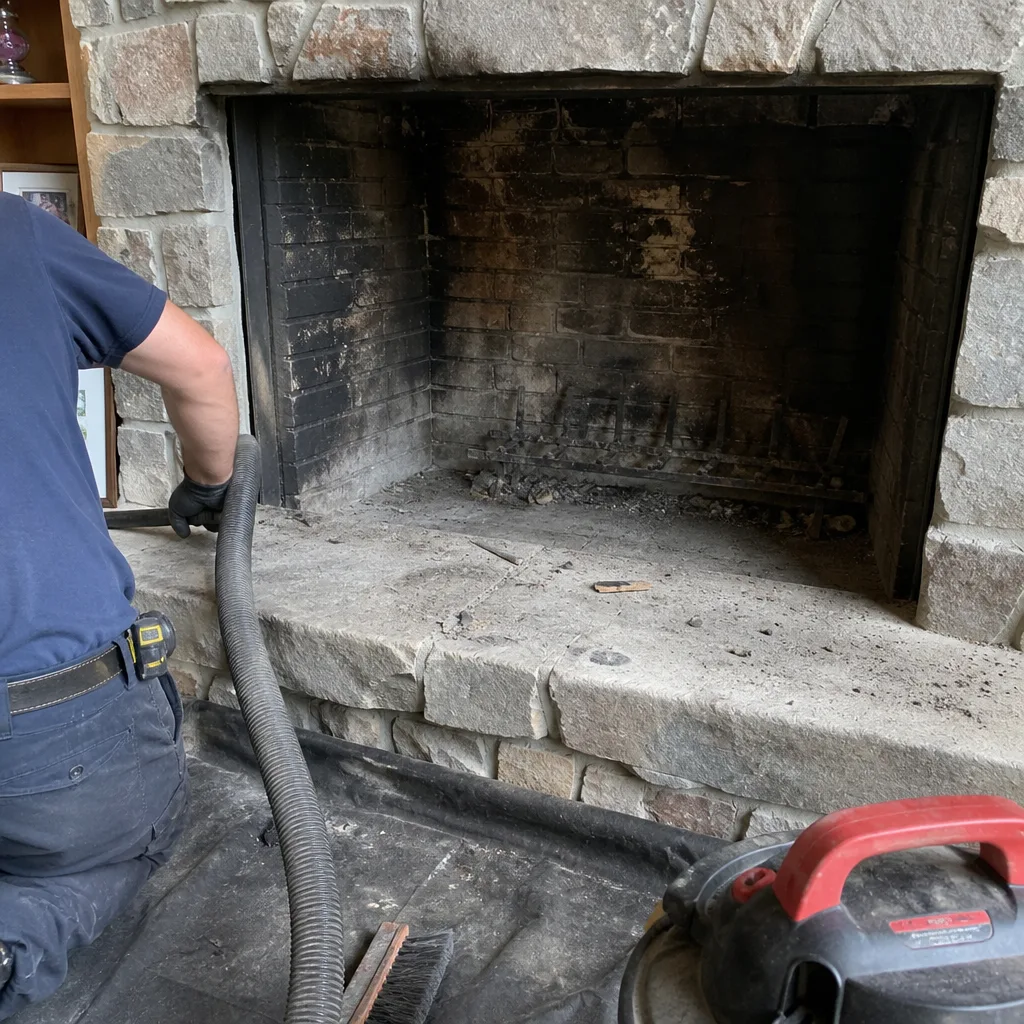 Before
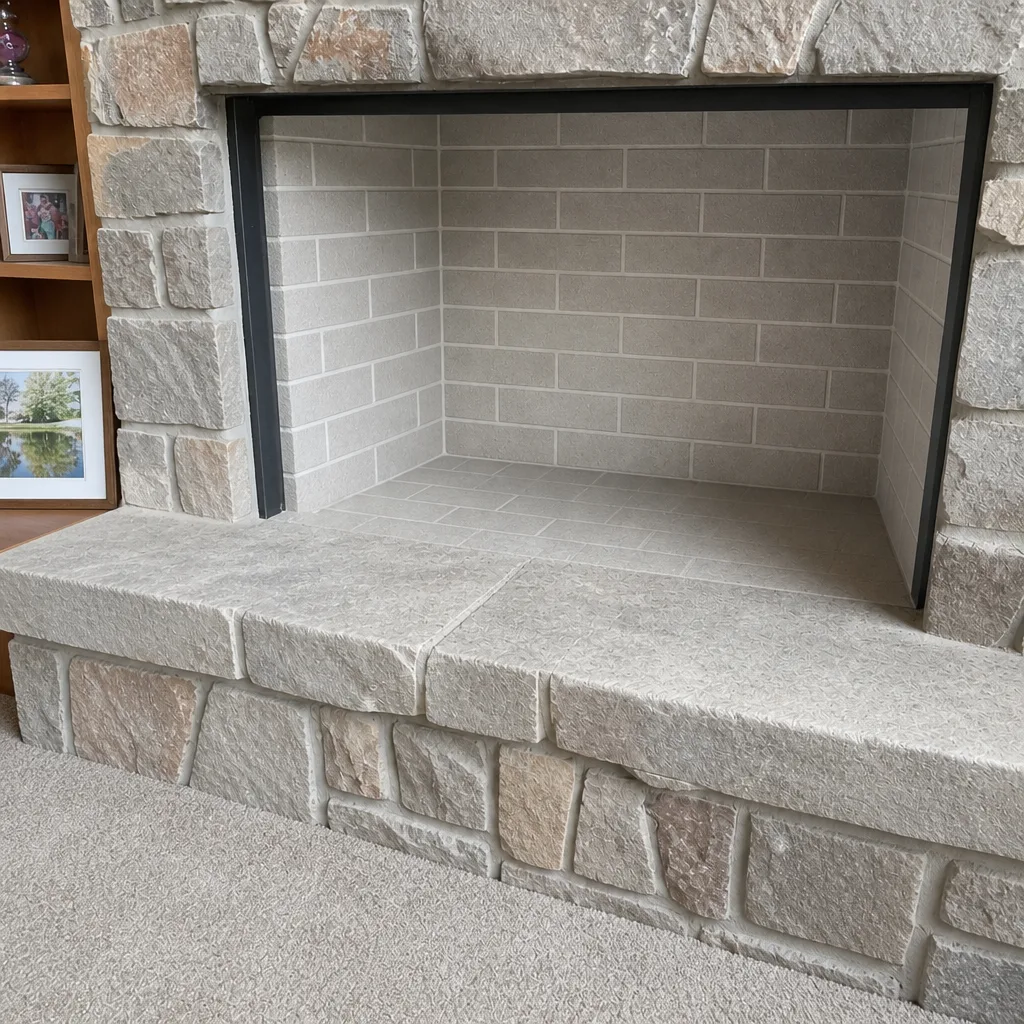 After
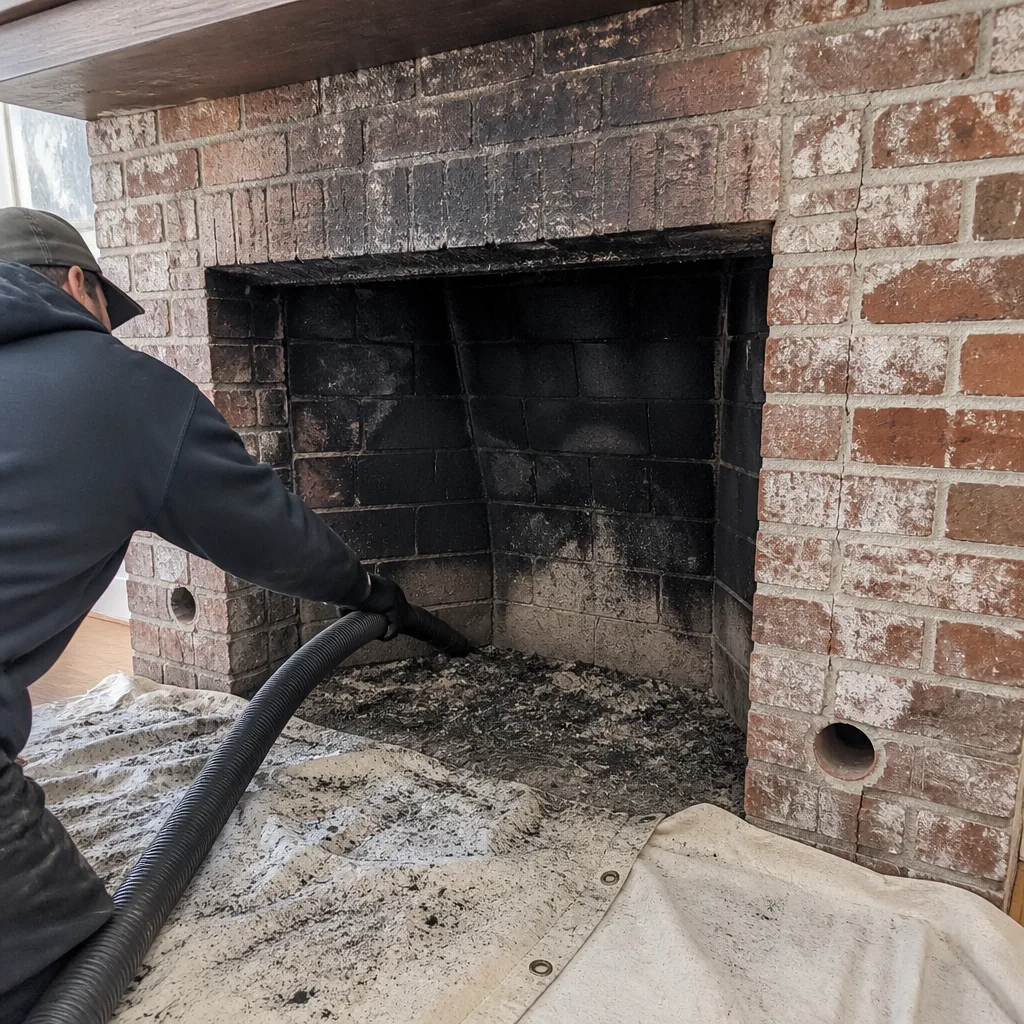 Before
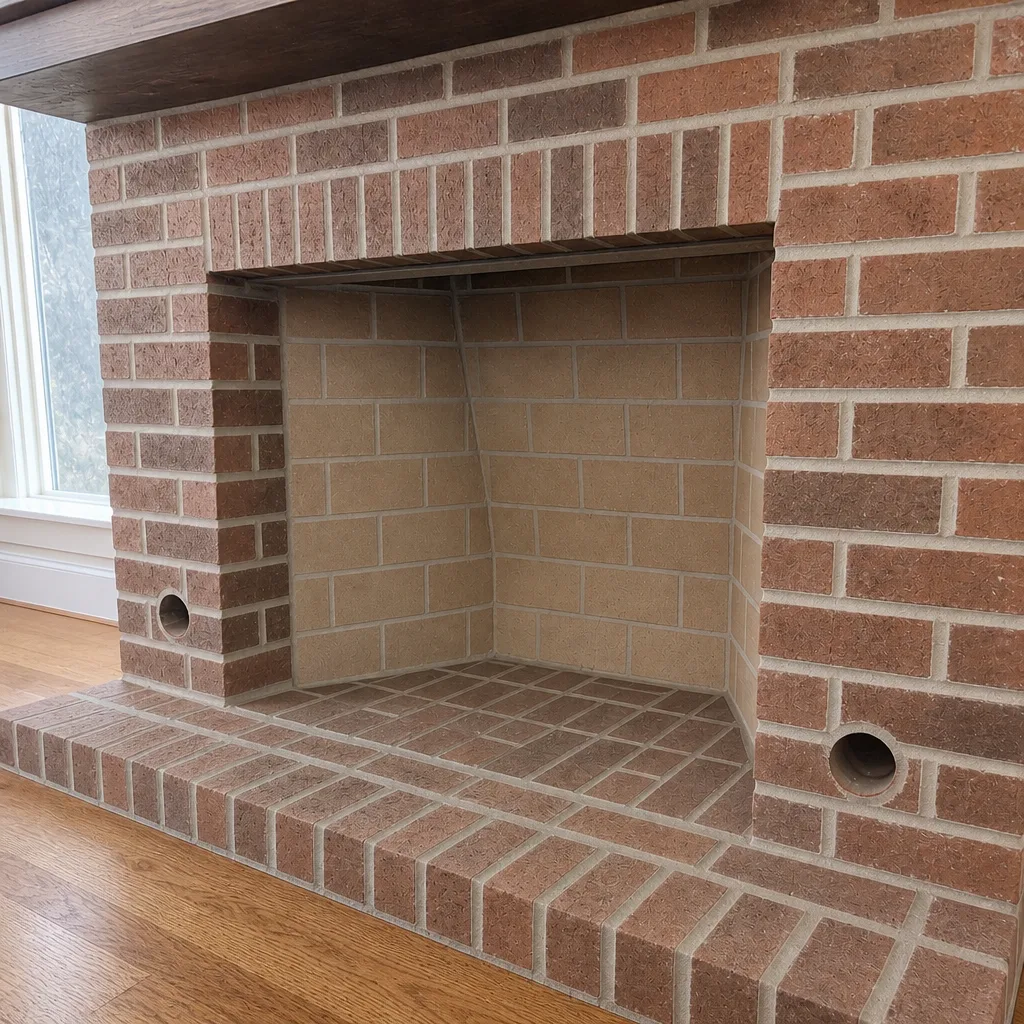 After
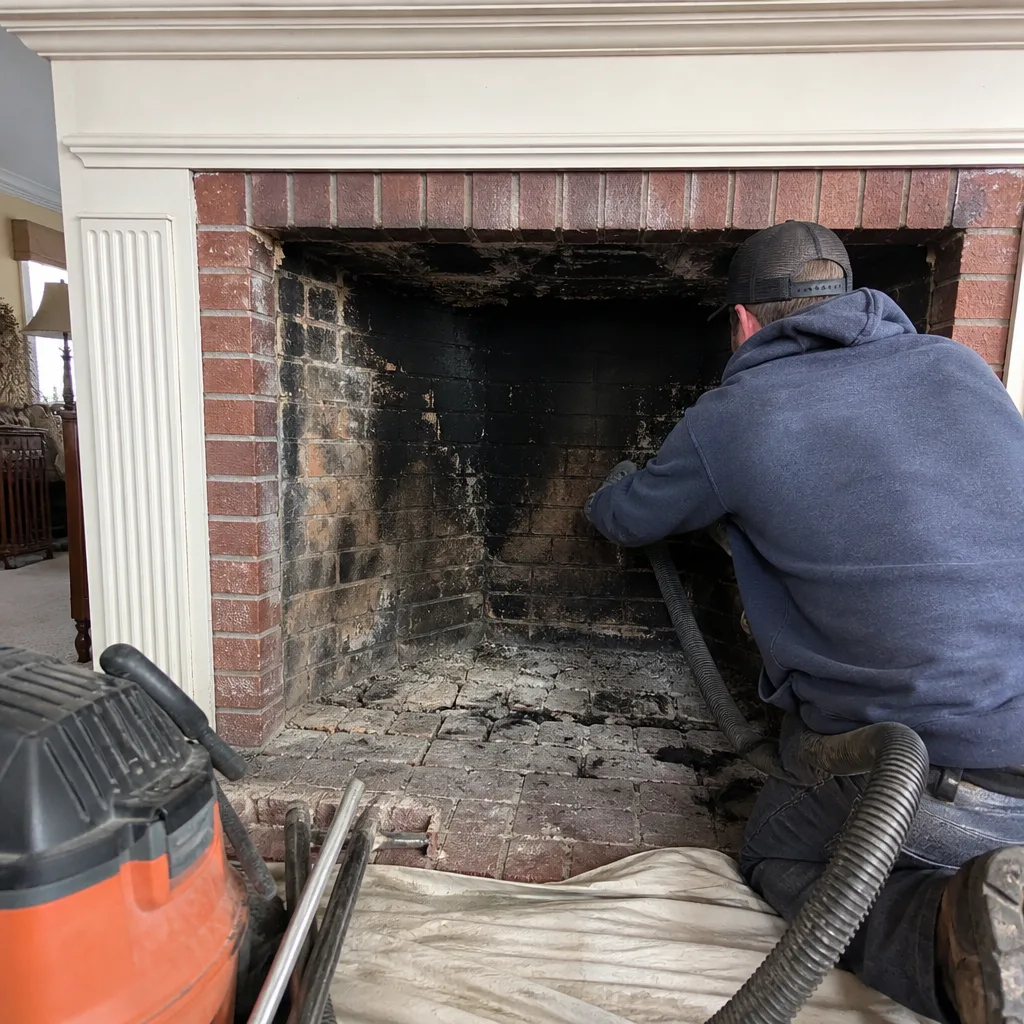 Before
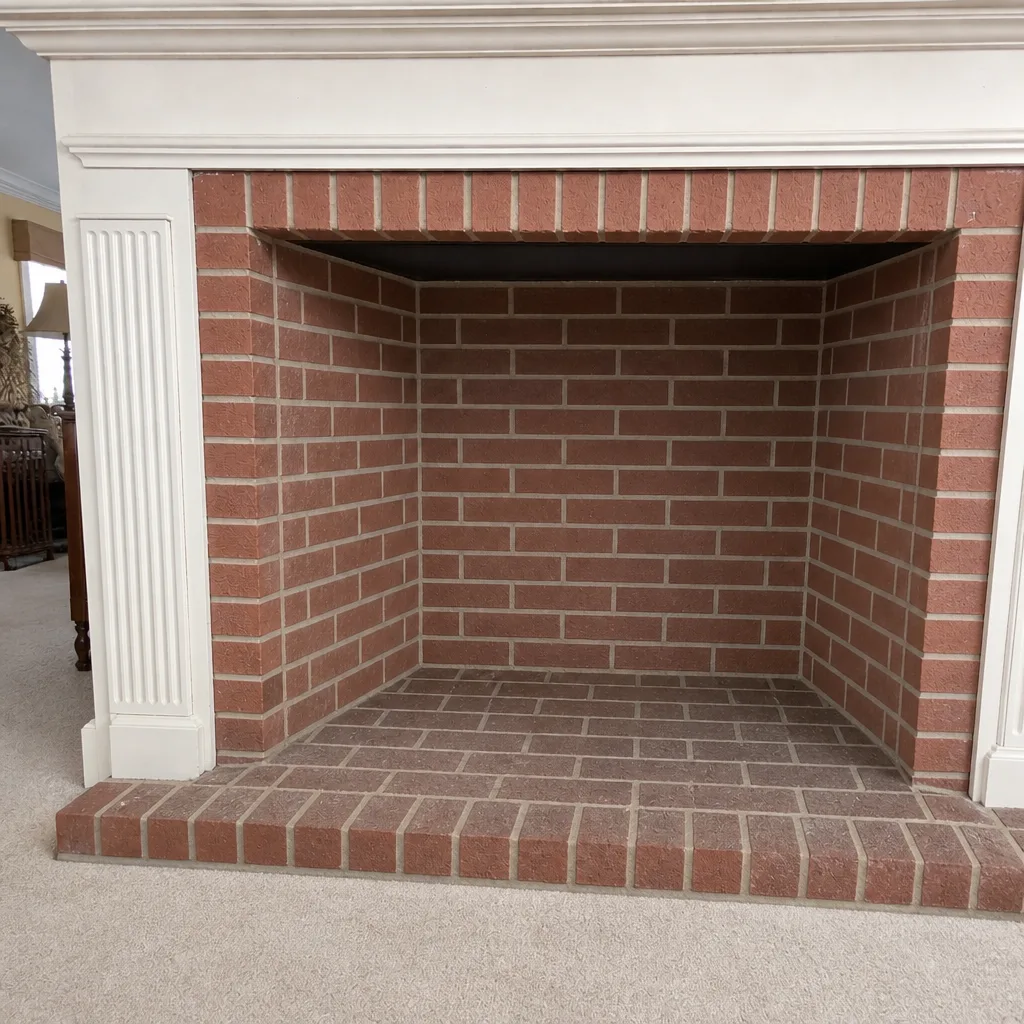 After
When to Call a Professional
Even the most observant homeowner reaches a point where the symptoms need a camera in the flue. Call us when smoke is backing into the room on every burn, when you can see glazed creosote in the flue, when you smell smoke inside the house with no fire burning, when the firebox is visibly cracked, or when your carbon monoxide alarm has activated. Call us when a chimney cap is missing or damaged, when efflorescence is spreading on the firebox or exterior, or when your annual cleaning is simply due and you want the job done with real diagnostics. Chimney Sweep Issaquah offers free estimates in Issaquah. Call (855) 550-7279. We answer 24/7. Fast dispatch from 7am to 7pm, Sunday through Friday. The local technician is licensed and insured as their state requires, and the written estimate sets the final price.
Frequently Asked Questions
A standard chimney sweep in Issaquah is typically quoted per job based on the appliance type, the access, and the condition of the flue. You’ll get a written estimate before any work begins, and the estimate is free. Call (855) 550-7279 for an exact quote.
Most chimneys don’t need full liner replacement just because a sweep was due. A liner is only recommended when the camera inspection shows cracked tiles, gaps, heavy glaze that resurfacing can’t fix, or a flue size that’s wrong for the appliance. HeatShield resurfacing is the option for moderate deterioration; a DuraFlex liner is for structural failure. You’ll see what the camera sees. Call (855) 550-7279 to schedule an inspection.
Most chimneys benefit from an annual inspection, with cleaning done based on what the inspection finds. Heavy users may need cleaning more often; occasional users still need the annual inspection to check for damage. The inspection is the anchor, not the cleaning schedule. Call (855) 550-7279 to book one.
Smoke entering the room comes from a blockage, from negative pressure pulling exhaust back down the flue, or from a damper or flue that isn’t drawing properly. Check whether smoke only appears when other appliances are running; if so, it’s pressure. If it happens on every burn, get the flue inspected. Call (855) 550-7279 to talk it through.
A chimney cap stops most water entry from the top of the flue, and it keeps animals and debris out. It won’t fix moisture that’s already entering through failed crown mortar or seeped into masonry. The right repair often includes both: cap and crown work together to address the actual entry points. Call (855) 550-7279 for a free estimate on cap and crown work.
Check three things: whether the flue is visibly blocked from the ground (cap screen clear or blocked), whether smoke only backs up when appliances run, and whether there’s an efflorescence or spalling on the exterior. Those three observations help the technician understand what kind of visit to expect. Call (855) 550-7279 to describe what you’re seeing.
The Bottom Line
Most chimney problems point to moisture or incomplete combustion, and the sooner you identify which one you’re facing, the less you spend on the repairs. Smoke that curls back into the room is a report about pressure or blockage. Chalky efflorescence on the firebox and flaking masonry are reports about water. Glazed creosote is a report about how your fire is burning. The work is to read the signal, inspect before deciding on a repair, and specify the right material for the job. When the symptoms escalate to visible cracks, heavy glaze, or a carbon monoxide alarm, stop burning and get eyes on the flue. The team at Chimney Sweep Issaquah works across cleaning, inspection, repair, and cap and crown installation so the diagnosis and the fix live with one company. Free estimates are available in Issaquah at (855) 550-7279. We answer 24/7. Fast dispatch from 7am to 7pm, Sunday through Friday.
Written by the team at Chimney Sweep Issaquah.