
Last updated November 25, 2026
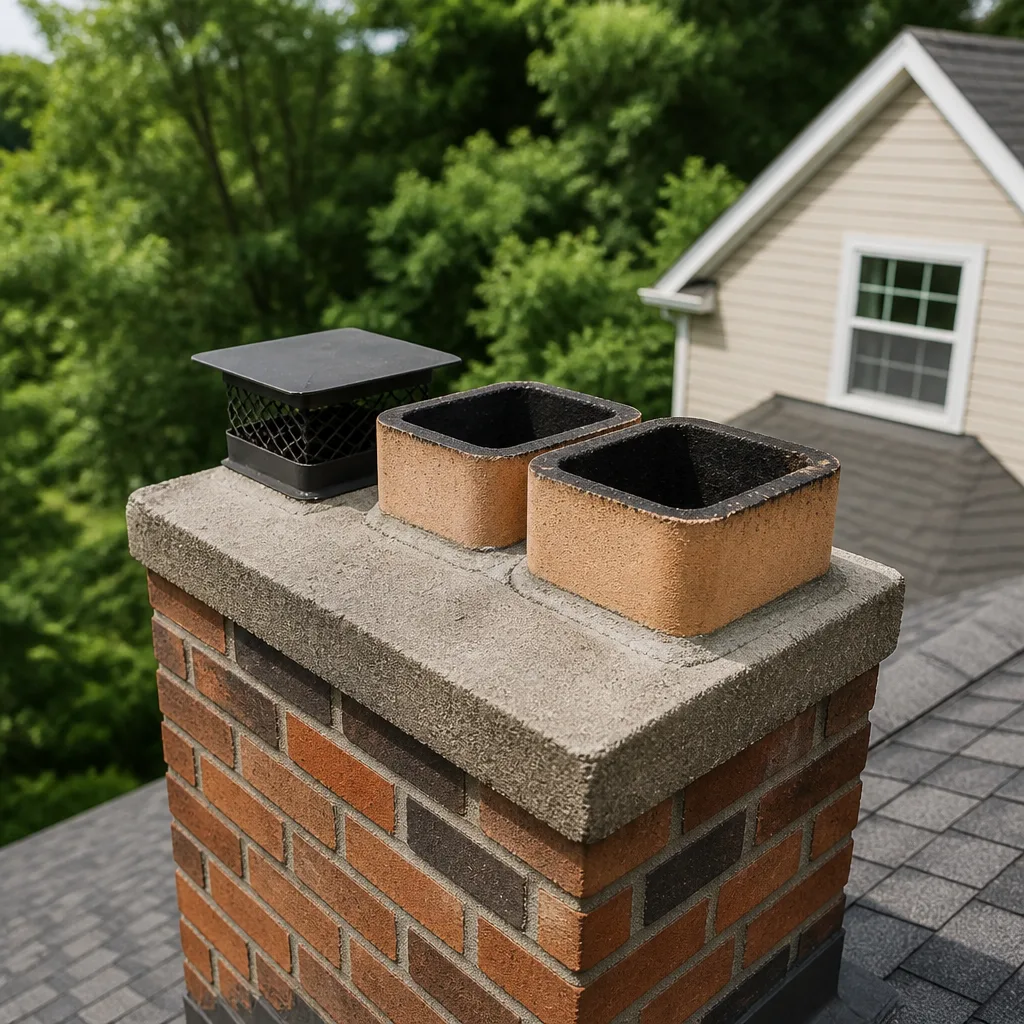 Sweep & inspection
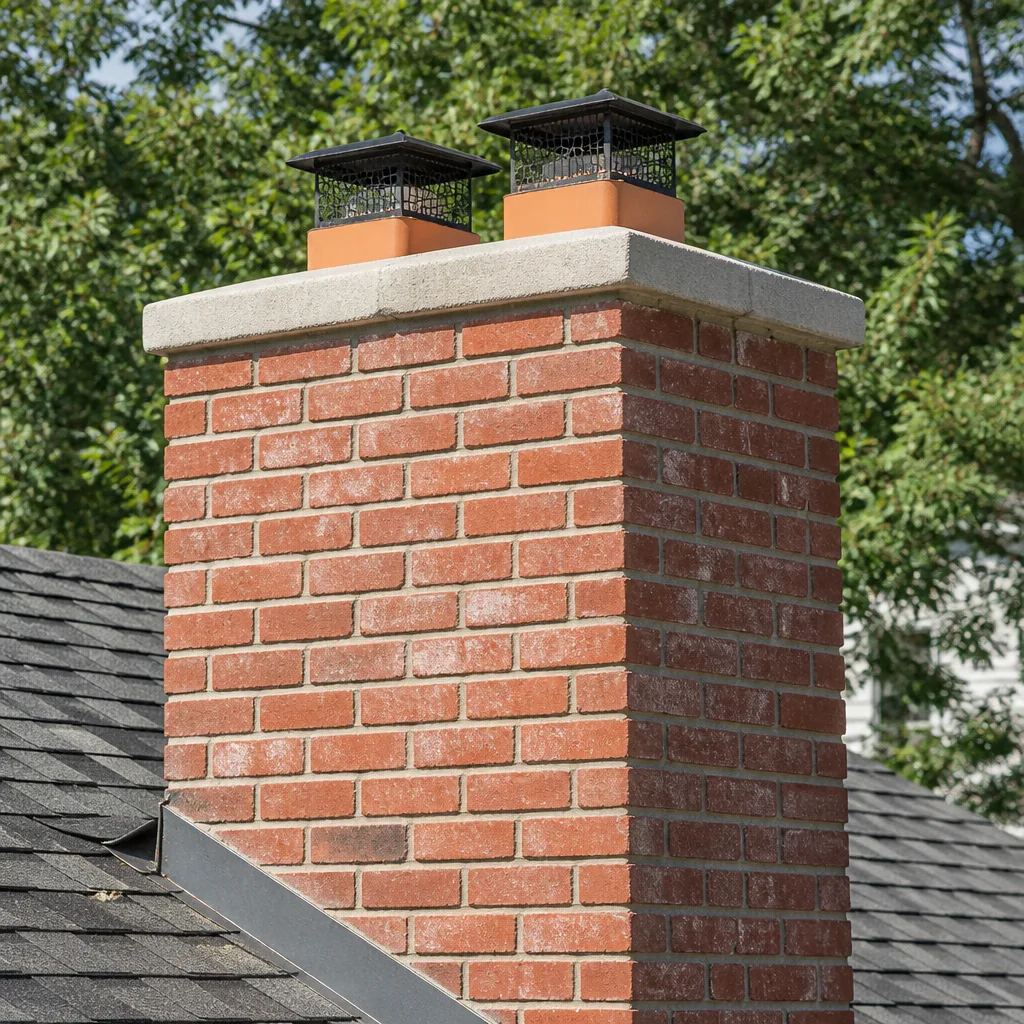 Caps & crowns
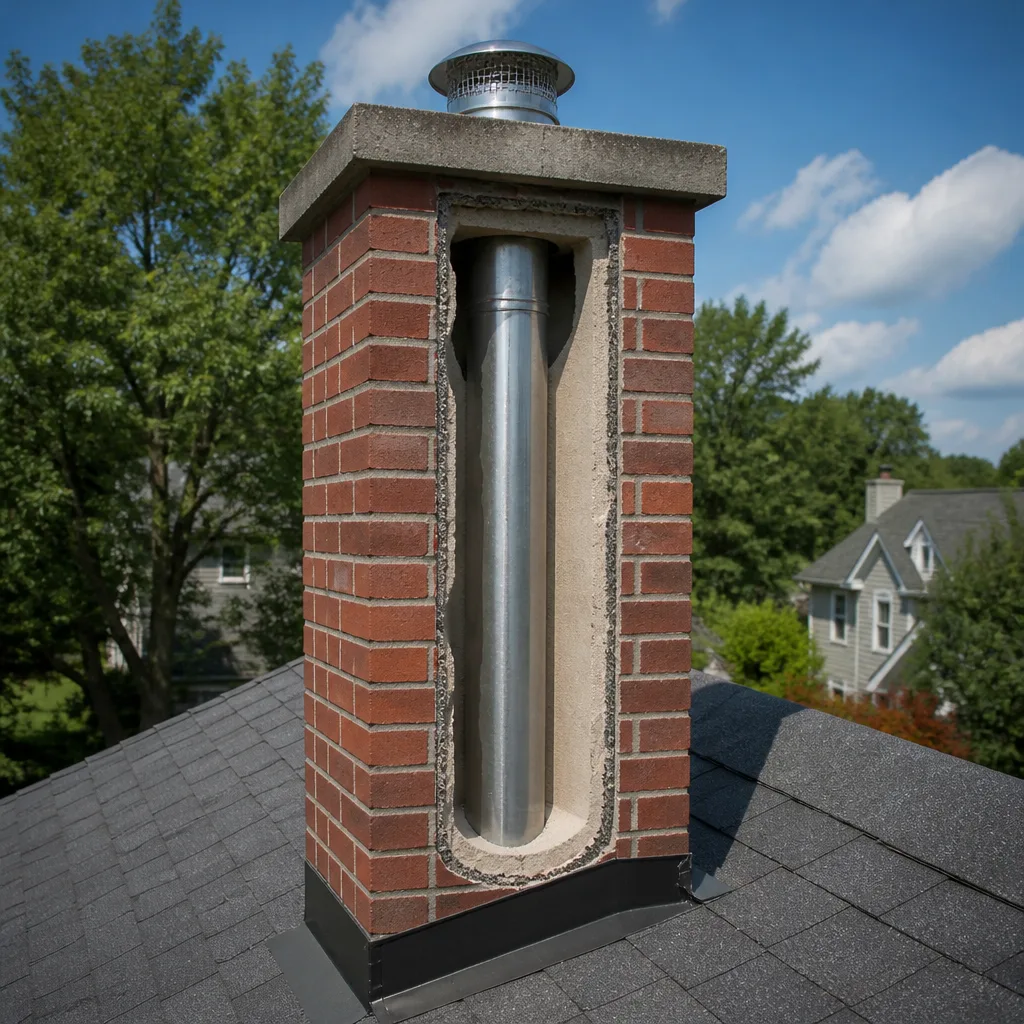 Flue relining
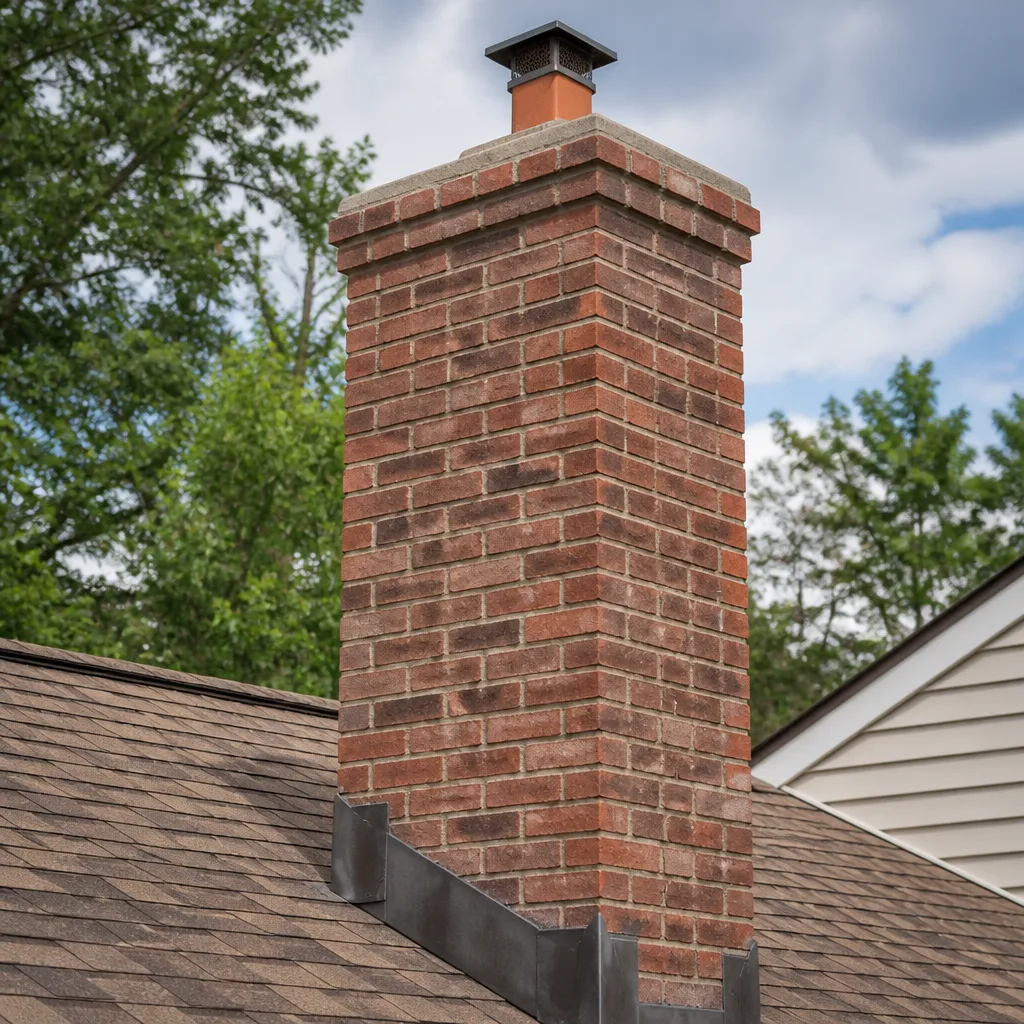 Masonry repair
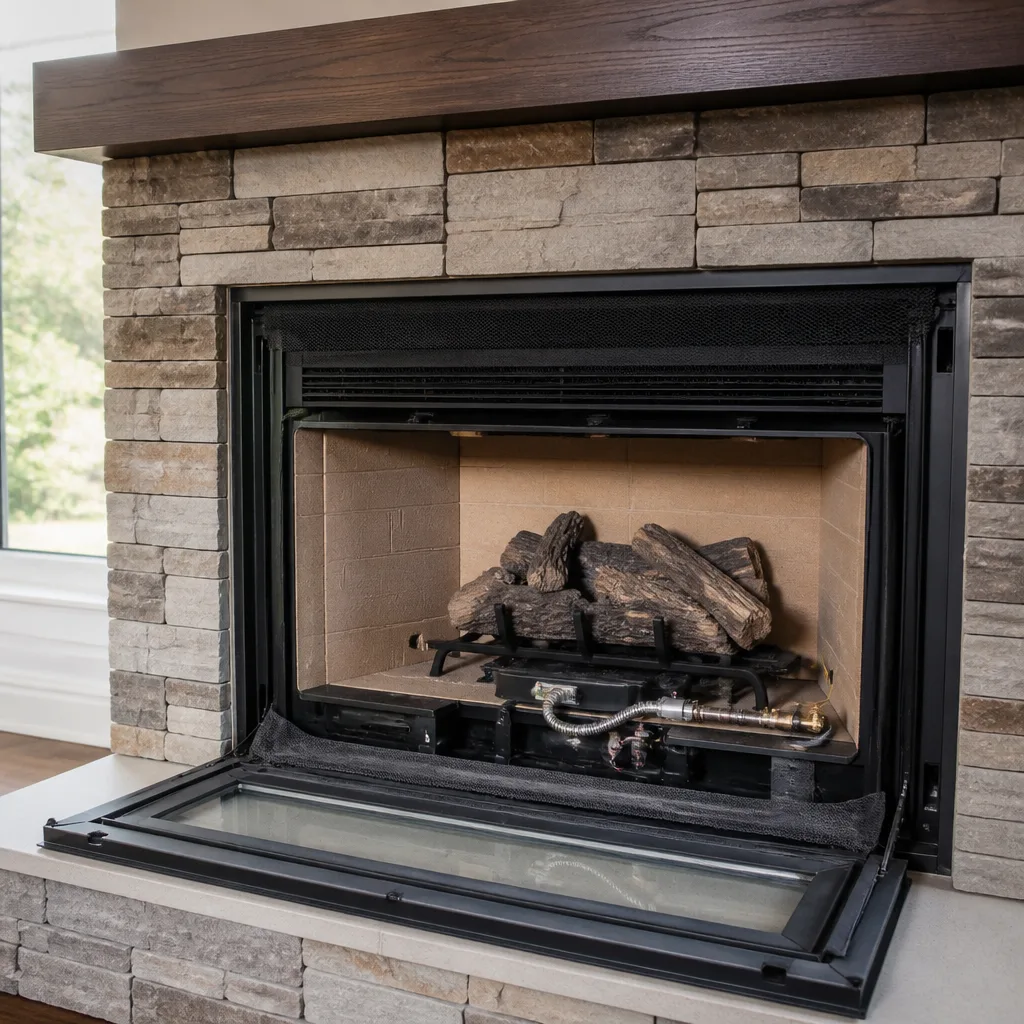 Gas fireplace service
Level 1 sweep and inspection to the NFPA 211 annual standard - flue, crown, cap, and flashing checked and photographed
Chimney sweep logs do not sweep chimneys. They loosen some creosote - which then falls where a brush and vacuum still have to collect it.
Chimney Sweep Maintenance Schedule: What to Do and When
Most chimney advice stops at “sweep it once a year” and leaves it there. That single sentence hides the real question, which is what “annual” actually means for your fireplace. A 1987 Issaquah home with a prefab zero-clearance insert burning four cords of Douglas fir every winter and a gas insert used twice a month are not the same maintenance problem, even though both get the same one-line recommendation from every generic checklist online. Fuel type, burn frequency, and construction era change what needs checking and how often. This guide builds a maintenance calendar around your specific setup, not a boilerplate one. You’ll learn the burn-frequency thresholds that trigger a mid-season look, why gas chimneys still need yearly attention, how prefab and masonry chimneys diverge, and what you can safely check yourself between professional visits.
Quick Answer
Sweep and inspect a wood-burning chimney at least once a year, and add a mid-season inspection if you burn more than roughly two cords of wood per season. Gas fireplace chimneys still need an annual inspection even with no creosote, because moisture and wildlife entry have nothing to do with fuel type. Prefab and masonry chimneys age on different timelines, so the annual visit should be tailored to your construction era and fuel, not run as a fixed script. In short: annual is the floor, and your actual schedule should flex with how hard you use the fireplace.
Styles & brands we work with
- Sweep & inspection
- Caps & crowns
- Flue relining
- Masonry repair
- Gas fireplace service
Table of Contents
- Why Annual Is the Floor, Not the Ceiling
- Burn-Frequency Thresholds That Trigger a Mid-Season Inspection
- Why Gas Fireplace Chimneys Still Need Annual Inspection
- Prefab vs. Masonry: Different Parts, Different Timelines
- Seasonal Prep for Issaquah’s Wet Climate
- Monthly Visual Checks You Can Do Yourself
- What a Professional Should Handle Every Year
- Signs You Should Call Before Your Scheduled Visit
Why Annual Is the Floor, Not the Ceiling
The annual recommendation exists because creosote accumulates at a rate nobody can predict from the outside. The National Fire Protection Association and the Chimney Safety Institute of America both point to yearly inspection, and the reasoning is sound: a chimney fire risk builds up silently inside a flue you can’t see. But “annual” was never meant to describe the maximum. It’s a minimum frequency that keeps a low-use fireplace safe. Burn more, and the math changes.
We’ve seen this play out across Issaquah’s housing stock, which ranges from older masonry builds near the historic downtown core to newer construction up the Issaquah Highlands and Talus slopes. A household burning one cord a season in a tight modern insert can often go a full year between sweeps. A household burning four cords of Douglas fir in an older open fireplace might build a creosote layer that warrants a mid-winter check. Same city, same annual guideline, two very different maintenance calendars.
The practical takeaway: treat the annual sweep as your anchor appointment and adjust the frequency around it. If your burn habits change (a new woodstove, a colder winter, a switch to a different fuel), your schedule should change too. A maintenance plan that ignores how you actually use the fireplace is just a calendar reminder, not a real safety plan.
If you’re not sure where your fireplace falls on this spectrum, a chimney inspection gives you an honest condition report before you commit to any repair work. That’s the integrity-first starting point: find out what you actually have before deciding how often to service it.
Burn-Frequency Thresholds That Trigger a Mid-Season Inspection
Here’s the counterintuitive part of chimney maintenance: how much you burn matters more than how long it’s been since your last sweep. A fireplace used heavily for three months can accumulate more creosote than one used lightly for a full year. That’s why a fixed annual date alone can miss the danger window.
Use these thresholds as a rough guide to when a mid-season look makes sense:
- Light use (under one cord per season): Annual sweep and inspection is typically enough. No mid-season visit needed unless you notice a problem.
- Moderate use (one to two cords per season): Annual is still the baseline, but a visual check partway through the burn season is wise, especially if you burn green or unseasoned wood.
- Heavy use (three or more cords per season): Plan for a mid-season inspection in addition to the annual. Creosote accumulates faster than most homeowners expect at this volume.
- Any use of unseasoned or “wet” wood: This is the single biggest accelerant of creosote buildup. Treat it as a trigger for a mid-season check regardless of cord count.
Why does this matter in Issaquah specifically? Because the burn season here is long. Cool, wet weather stretches from fall well into spring, and many households burn steadily for five or six months rather than the shorter bursts you’d see in a drier climate. That sustained use, combined with the region’s plentiful Douglas fir, means a mid-season inspection is often the difference between catching a creosote problem early and discovering it the hard way.
Our technicians have up to 10 years of experience reading these patterns, and the honest answer is that “once a year” fits a low-use household well and a heavy-use household poorly. If you’re burning four cords, your maintenance schedule should reflect it.
Why Gas Fireplace Chimneys Still Need Annual Inspection
This is where a lot of homeowners check out early. “It’s gas, there’s no creosote, so why bother?” The reasoning sounds logical, but it misses what the chimney actually does. A flue isn’t just a passage for smoke. It’s also the barrier between your home’s interior and the outside weather, and that barrier degrades whether or not you’re burning wood.
Moisture is the biggest reason a gas fireplace chimney still needs an annual look. Rain finds its way past a failing cap, a cracked crown, or a gap in the flashing, and once water is inside the flue it can rust metal liners, spall masonry, and eventually compromise the structure. None of that has anything to do with combustion. A gas insert used twice a month can still develop water damage over a wet Issaquah winter.
Wildlife entry is the other factor homeowners overlook. Birds, squirrels, and other animals treat an uncapped flue as prime real estate. A nest can block the flue, which becomes a carbon monoxide hazard the moment the fireplace is lit, and even a mouse nest in an unused gas flue is a problem worth finding. An annual inspection catches these before they turn into a real issue.
There’s also the appliance itself. Gas fireplaces have their own components, from the burner to the venting, that deserve an annual look even when the firebox stays clean. Inspecting before you repair is the right order of operations here, and it’s how you avoid paying for work you don’t need. Our fireplace repair service starts with a full condition report for exactly this reason.
The bottom line: gas doesn’t exempt you from the annual inspection. It just changes what the inspection is looking for.
Prefab vs. Masonry: Different Parts, Different Timelines
Prefab and masonry chimneys fail in different places, which means your maintenance checklist should look different depending on what you have. This is one of the biggest gaps in generic chimney advice, which tends to assume every homeowner has a masonry stack.
Prefab (Factory-Built) Chimneys
Prefab chimneys, including zero-clearance fireplaces, are engineered assemblies with specific clearances and specific component lifespans. The metal flue liner, the firebox panels, and the venting all degrade over time, and when they do the fix is typically replacement rather than restoration. Prefab chimneys are also common in newer Issaquah construction, so if your home was built within the last few decades, this is likely what you have. Maintenance here focuses on inspecting the liner for cracks, checking the firebox panels, and confirming the clearances are still intact.
Masonry Chimneys
Masonry chimneys, common in older homes and especially in the historic parts of Issaquah, fail differently. The mortar joints degrade, the crown cracks, the flue tiles spall, and water intrusion does the long, slow damage. A masonry chimney’s maintenance schedule has to account for all of those components on different timelines: the crown might need work years before the liner does, and the flashing might be the first thing to fail. This is where liner resurfacing comes in. We use HeatShield, the industry’s leading resurfacing system, for liner restoration on masonry chimneys that don’t need full replacement. Most general contractors can’t offer that.
The practical difference: a prefab owner should watch their liner and firebox panels, and a masonry owner should watch their crown, mortar, and flashing. Both need an annual inspection, but the inspection should be tailored to what’s actually degrading.
Seasonal Prep for Issaquah’s Wet Climate
Issaquah’s climate puts your chimney through a specific cycle every year. Wet, cool winters, a wet spring, a drier summer, and then fall rains return. The chimney spends months dealing with moisture and then must be ready for the first fire. If you’re planning a seasonal prep routine, the most important window is before the first fall burn, and it should account for what the wet season left behind.
Here’s a sensible order of operations for the pre-season check:
- Look at the cap and crown. These are the first line of defense against water. A cracked crown or a missing cap lets rain straight into the flue. We handle chimney cap and crown work alongside cleaning for exactly this reason: fixing the root cause, not the symptom.
- Check the flashing at the roofline. Flashing is where the chimney meets the roof, and it’s a common water entry point after a wet winter.
- Inspect the firebox and damper. Look for rust, cracked panels, or a damper that no longer seals. Rust inside the firebox often means water got in somewhere above.
- Look for signs of wildlife. A nest or droppings near the damper is a warning sign. Don’t light a fire until it’s been cleaned out.
- Schedule the annual sweep and inspection. Do this before the first burn, not after. Once creosote has built up over the season, you want it cleared before you add more.
After the first fire of the season, a quick visual check of the flue from the bottom and the exterior from the ground can confirm everything is still where it should be. If your first fire smokes excessively or smells unusual, that’s a signal to call before the next one.
If you want a single appointment that covers the cleaning, the inspection, and any cap or crown work, our chimney sweep service is designed for exactly that. One company, start to finish, so there’s no handoff to a second contractor mid-season.
Monthly Visual Checks You Can Do Yourself
Between professional visits, there’s a useful middle ground: monthly visual checks that catch small problems before they become expensive ones. This isn’t about DIY repair. It’s about knowing what to look for so you can call when something’s wrong, and knowing what genuinely requires a pro.
Here’s what’s reasonable to check yourself each month during the burn season:
- The firebox interior. Look for cracks, crumbling mortar, or rust. Small hairline cracks in a masonry firebox can widen; in a prefab firebox, any crack is worth a professional look.
- The damper operation. Open and close it. It should move smoothly and seal. A damper that sticks or won’t close fully is a call-the-pro item.
- The exterior, from the ground. Look at the cap, crown, and the visible chimney stack. You’re watching for missing pieces, obvious cracks, or nesting material.
- The firebox floor. Ash buildup should be cleared regularly. Excessive ash reduces airflow and can affect how cleanly the fire burns.
- Creosote signs. Look up the flue from the firebox with a flashlight. A thin dusting is normal; a thick, crusty, or shiny layer means it’s time to call.
And here’s what genuinely requires a professional, no matter how capable you are:
- Anything involving a ladder or the roof. Roof work and heights are a serious injury risk; leave it to trained professionals.
- Opening, disassembling, or cleaning a liner. A damaged liner is a fire and carbon monoxide hazard, and inspecting it correctly takes equipment you don’t have at home.
- Any creosote that’s more than a light dusting. Sweeping a flue properly requires the right brushes and technique, and a bad sweep can damage a liner.
- Gas appliance components. If your fireplace is gas, leave the burner, venting, and controls to a trained technician.
- Firebox panel cracks in a prefab unit. These are structural and can allow heat to reach combustible framing; they need a professional assessment.
Do the monthly checks. Know the limits. That’s the honest version of “maintenance nobody talks about.”
What a Professional Should Handle Every Year
The annual professional visit isn’t just a sweep. Done right, it’s a full assessment of the parts you can’t safely reach and can’t visually verify. Here’s what should be on the professional checklist every year:
- A full flue sweep using the correct brushes for your liner type.
- A camera-level inspection of the flue to check for cracks, gaps, and creosote thickness you can’t see from below.
- A crown and cap check to catch the water-entry points before the wet season.
- Flashing and roofline review where it meets the chimney.
- Firebox and damper assessment for both masonry and prefab units.
- A written condition report so you know what’s fine, what’s watchable, and what needs work.
This is where a materials-literate specialist earns the trust. We specify DuraFlex for flexible liner systems because it’s a benchmark product in professional relining, and we use HeatShield resurfacing for masonry liners that can be restored instead of replaced. For components, we stock Copperfield and Familia-equivalent Famco parts and work with Olympia Chimney and Gelco, brands specified by professional chimney technicians nationwide. The point isn’t brand loyalty for its own sake. It’s that professional-grade parts are built to last, not built to come back.
We also inspect before we repair. If the condition report says the flue is fine, you don’t get sold a liner. If it says a cap is missing and water is getting in, you get that fact, the report, and a written estimate. The repair decision stays yours.
When the inspection turns up chimney damage rather than a simple maintenance item, our chimney repair service covers the full scope, from liner restoration to crown work, without sending you to a second contractor.
Signs You Should Call Before Your Scheduled Visit
Your maintenance schedule sets the baseline, but a chimney has a way of telling you when it needs attention ahead of time. Some of these signs are minor, some are urgent, and knowing the difference helps you act correctly.
Call promptly, but not as an emergency:
- A smoky smell in the room when the fireplace isn’t in use (often a sign of a blocked flue or negative pressure).
- A cracked or missing chimney cap.
- Rust on the firebox, damper, or any metal component.
- Water staining on the ceiling or walls near the chimney.
- Visible cracks in the firebox panels or mortar.
Call and don’t light another fire until a professional has looked:
- A strong, hot, or unusual smell from the flue even when the fireplace is off.
- Visible creosote that’s thick, crusty, or shiny.
- Any crack or gap in the flue liner, or a damaged prefab liner.
- Smoke backing into the room instead of going up the flue.
- Any sign of a nest or wildlife blockage.
If you smell gas at all, leave the area and contact your gas utility immediately. A chimney professional isn’t the right first call for a gas leak.
For anything on either list, our phone line is answered around the clock. We answer 24/7. Fast dispatch from 7am to 7pm, Sunday through Friday. A call outside those dispatch hours is booked into the next opening, and if you call on a Saturday we’re closed, so we’ll book you in for Sunday.
Common Mistakes to Avoid
- Treating the annual sweep as the whole schedule. It’s the floor. Heavy-use households need a mid-season look, and a schedule that ignores burn volume misses the point. Review your cord count each fall and adjust.
- Skipping the inspection because the sweep “looked clean.” A clean flue and a sound flue are different questions. The inspection is what catches a cracked liner or a failing crown before it becomes a repair.
- Assuming a gas fireplace needs no annual visit. Moisture and wildlife don’t care what fuel you burn. A gas chimney left uninspected for years can develop rusted liners and blocked flues.
- Burning unseasoned wood to save time. Wet or green wood is the fastest route to heavy creosote. It also runs cooler and dirtier. Season your Douglas fir before you burn it.
- Ignoring the cap and crown because they “don’t look that bad.” These are your water defense. A hairline crown crack in Issaquah’s wet climate lets water into the flue all winter and does the damage slowly.
- Hiring a general handyman for a chimney problem. Chimney work requires specific tools, method knowledge, and often brand-specific parts. Liner resurfacing with HeatShield, for example, requires certification most generalists don’t have.
- DIY-ing anything above the roofline. Roof work and heights cause serious injuries every year. A monthly ground-level visual is fine; anything higher is a professional job.
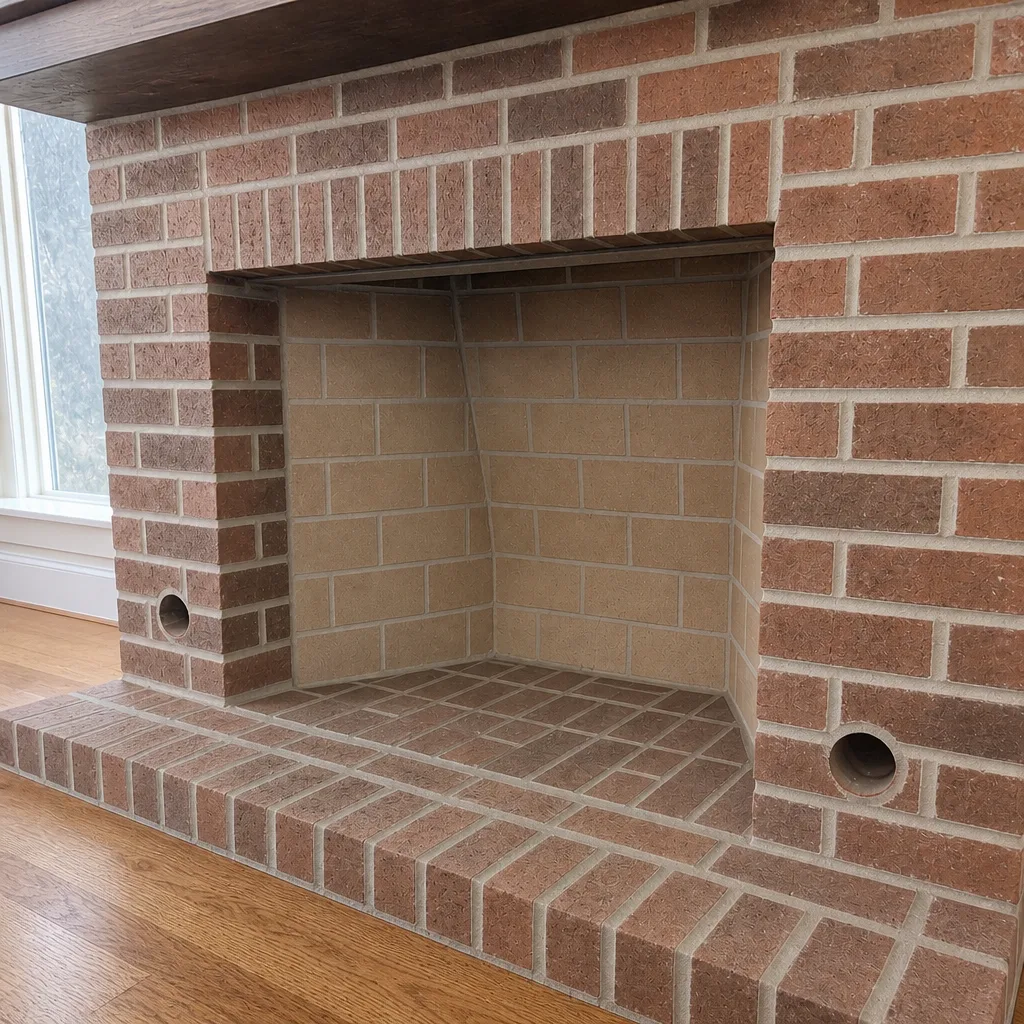
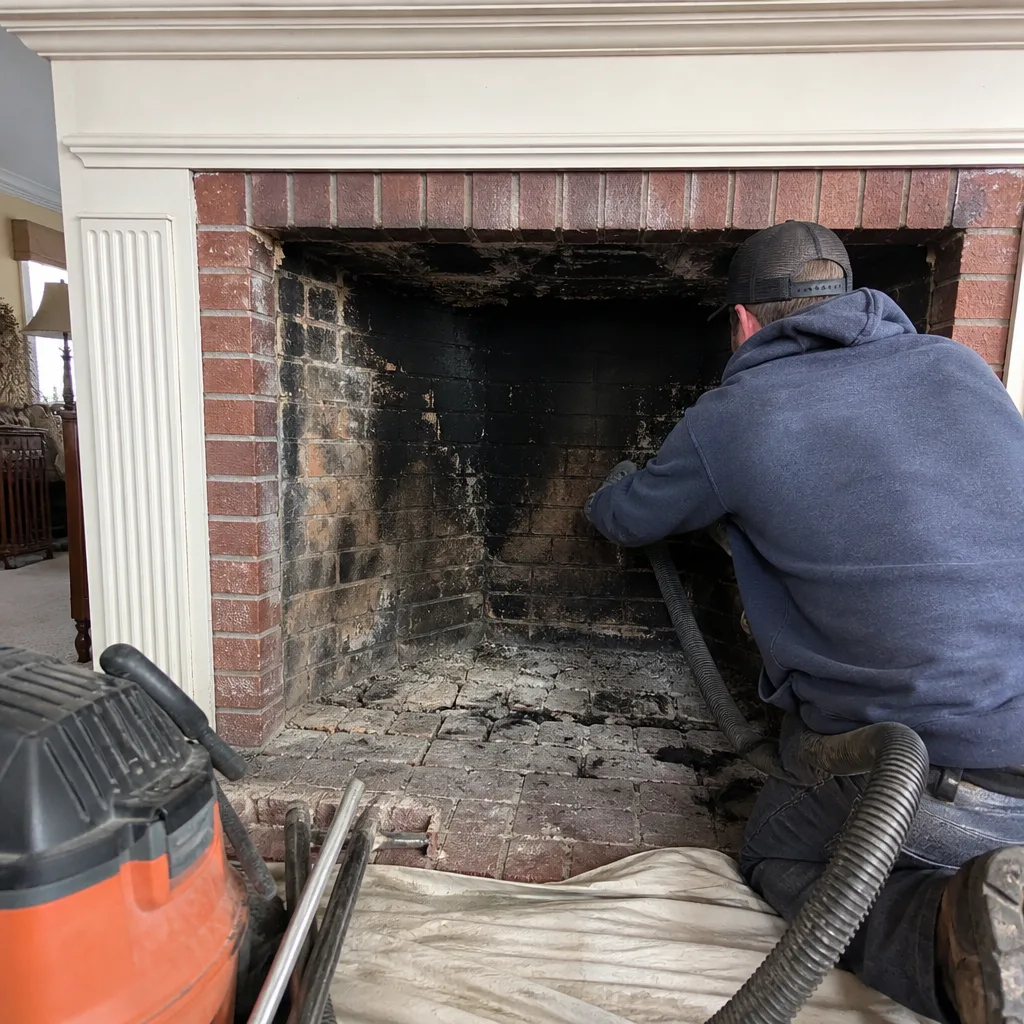
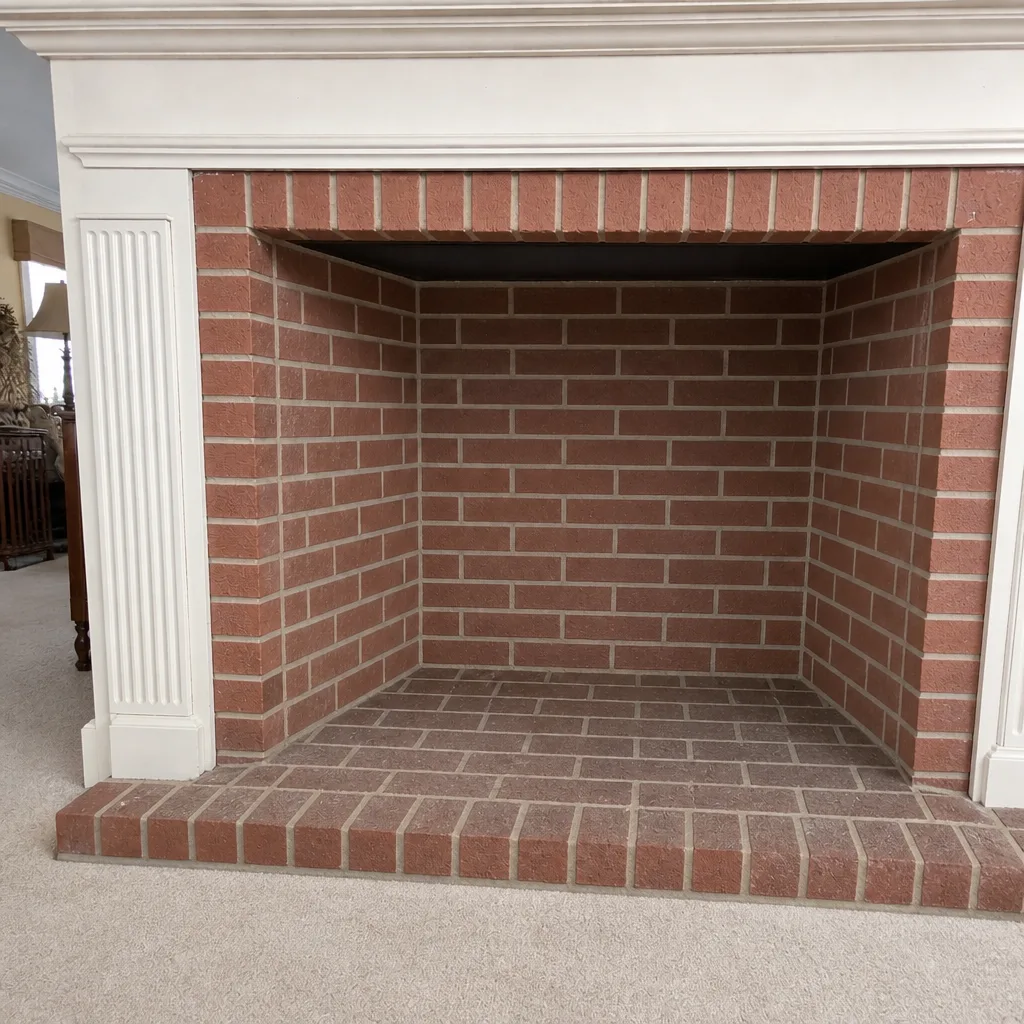
See the difference
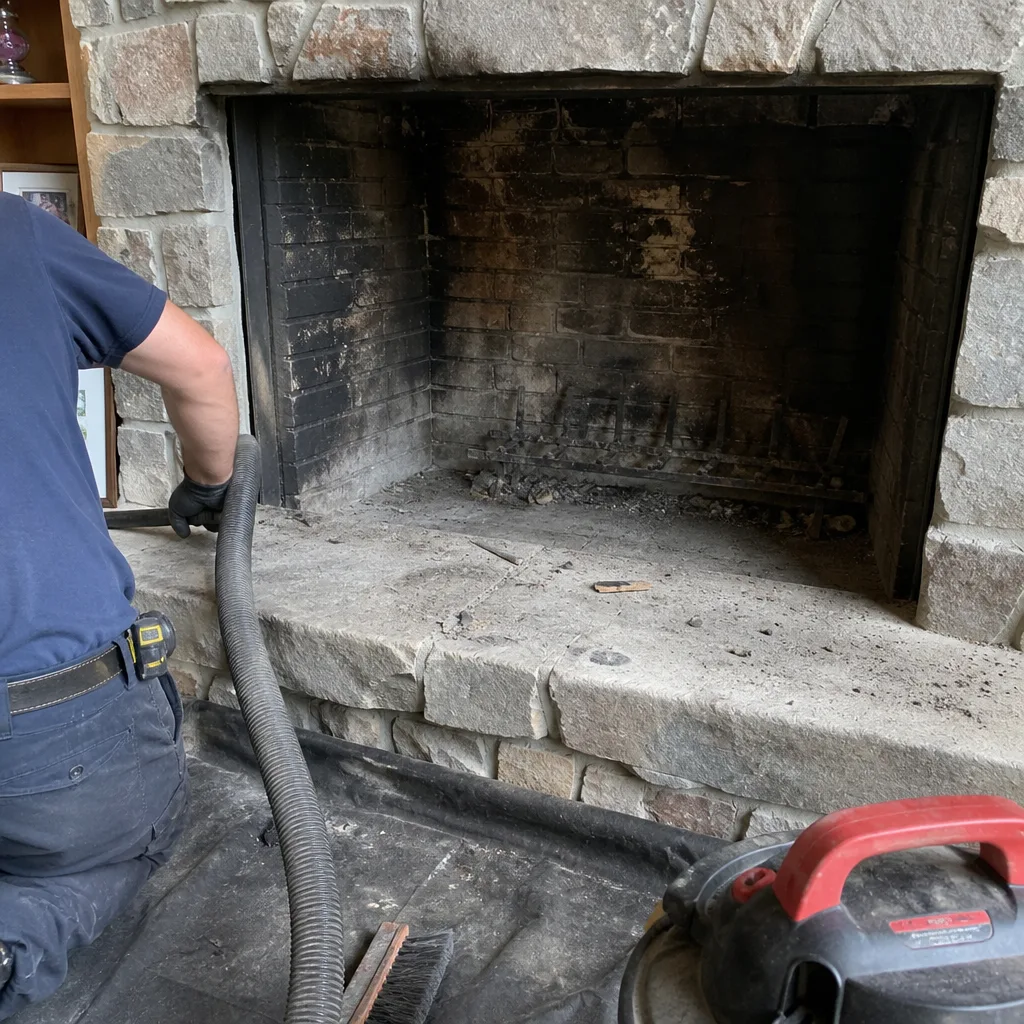 Before
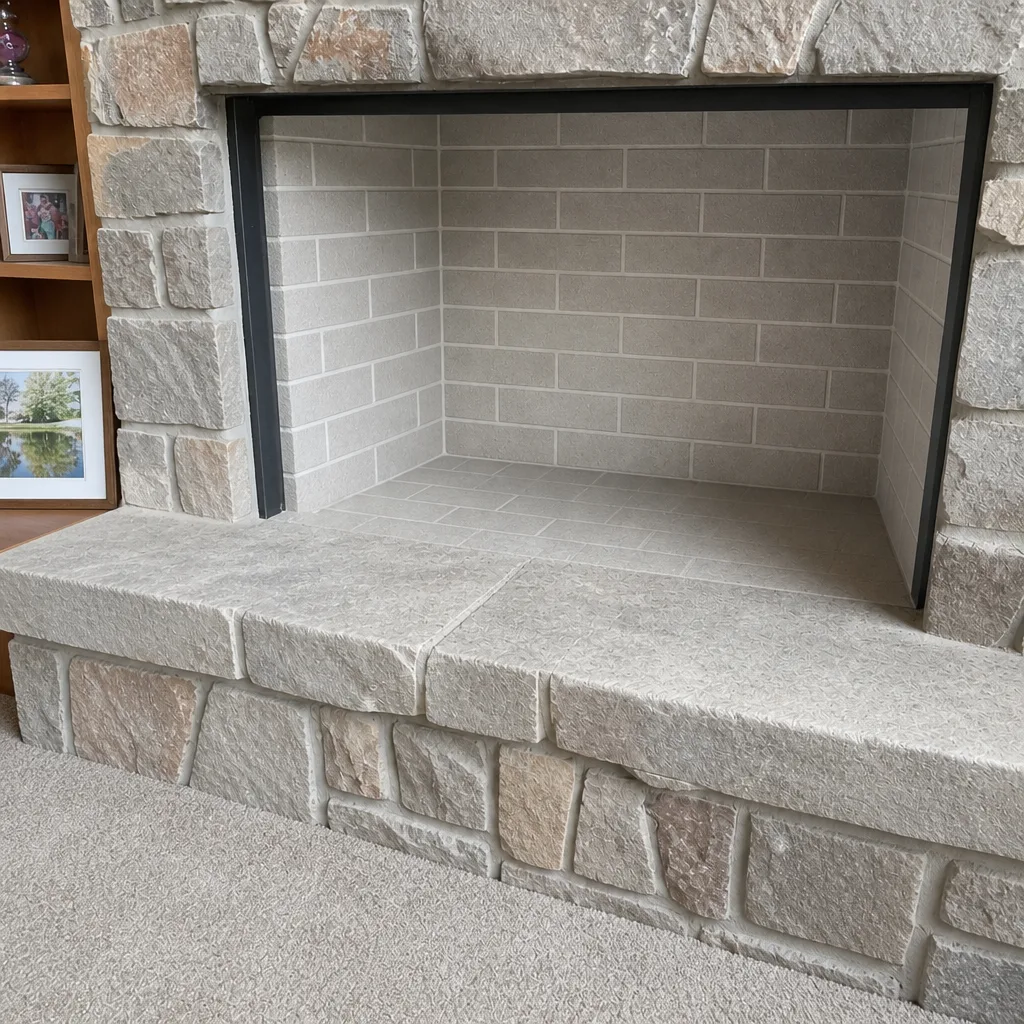 After
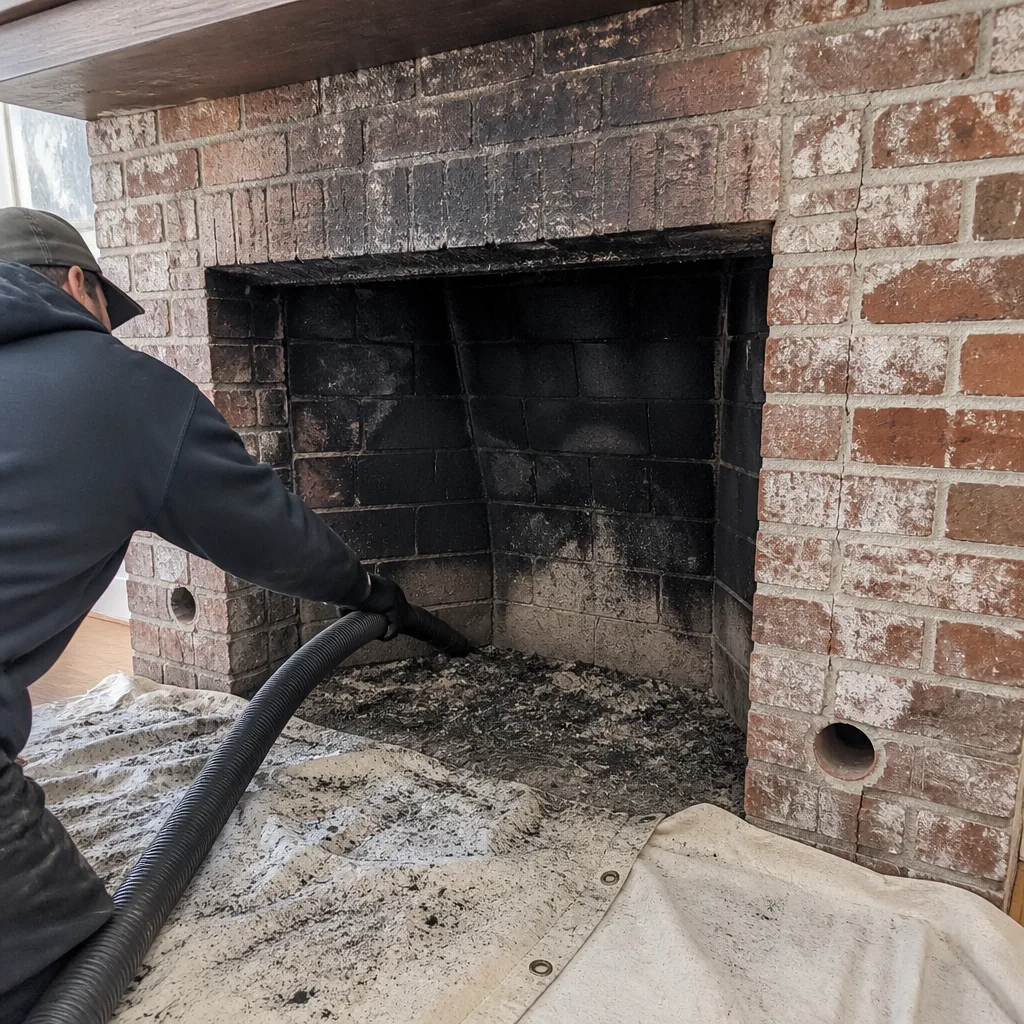 Before
 After
 Before
 After
When to Call a Professional
Call a professional anytime something on your monthly visual check looks off, whenever the flue shows more than a light dusting of creosote, and before the first fall fire if you haven’t had the annual visit yet. Also call if you’ve changed your fuel source, switched to a higher-use pattern, or noticed smoke, smells, or water intrusion that weren’t there before. If your home is a prefab unit with any visible firebox panel crack, that’s a call-now item. Chimney Sweep Issaquah offers free estimates in Issaquah. Call (855) 550-7279. We answer 24/7. Fast dispatch from 7am to 7pm, Sunday through Friday.
If you’re not sure whether your situation needs a sweep, an inspection, or a repair, start with an inspection. It’s the honest first step, and it gives you a clear picture before you spend a dollar on work you may not need. Our Chimney Sweep Issaquah team handles cleaning, inspection, and repair under one roof, so there’s no coordination between contractors.
Frequently Asked Questions
At least once a year, and more often if you burn heavily. If you burn three or more cords of Douglas fir in a season, plan a mid-season inspection in addition to the annual sweep. Light-use households can stay on the annual schedule. Call (855) 550-7279 for an exact quote. Estimates are free.
You need a new liner only if the existing one is cracked, damaged, or beyond resurfacing. A proper inspection, with a camera view of the flue, is what tells you. Ask for the evidence before agreeing to any liner work. If the liner can be restored, HeatShield resurfacing is often a better option than full replacement, and we’ll tell you which you actually need. Call (855) 550-7279 for an exact quote. Estimates are free.
Yes. Even with no creosote, a gas chimney is exposed to the same weather and wildlife as a wood-burning one. Moisture intrusion and bird or animal nests are the two most common problems we find in gas flues, and both can develop without any obvious sign from inside the house. Call (855) 550-7279 for an exact quote. Estimates are free.
Creosote accumulates invisibly, damage goes unnoticed, and small problems (a hairline crack, a failed cap) grow into bigger, more expensive repairs. The specific risk is a chimney fire from a creosote buildup, or carbon monoxide intrusion from a blocked or damaged flue. Skipping one year isn’t a crisis, but skipping several in a row is how homeowners end up needing liner work or structural repair. Call (855) 550-7279 for an exact quote. Estimates are free.
Pricing depends on the job, and the written estimate sets the final price. We don’t quote a dollar figure over the phone because the scope varies by fuel type, chimney construction, and condition. Schedule an inspection and you’ll get a clear estimate before any work begins. Call (855) 550-7279 for an exact quote. Estimates are free.
You can handle light monthly visual checks and ash removal, but a full sweep and inspection should be done by a professional. The risks come from the parts you can’t safely reach or assess: the liner, the crown, the flashing, and the upper flue. DIY sweeping with the wrong brush can also damage a liner. Call (855) 550-7279 for an exact quote. Estimates are free.
The Bottom Line
Your chimney maintenance calendar should start with the annual sweep and inspection, then flex around how you actually use the fireplace. Heavy-use households and those burning unseasoned wood need a mid-season look. Gas fireplaces still need a yearly inspection for moisture and wildlife, regardless of fuel. Prefab and masonry chimneys need different checks on different timelines. Prepare for the first fall fire by checking the cap, crown, and flashing after the wet season, and do monthly visual checks between professional visits. When the condition report shows a real issue, the decision is yours, backed by evidence, not a sales pitch. Written by the team at Chimney Sweep Issaquah.