
Last updated November 25, 2026
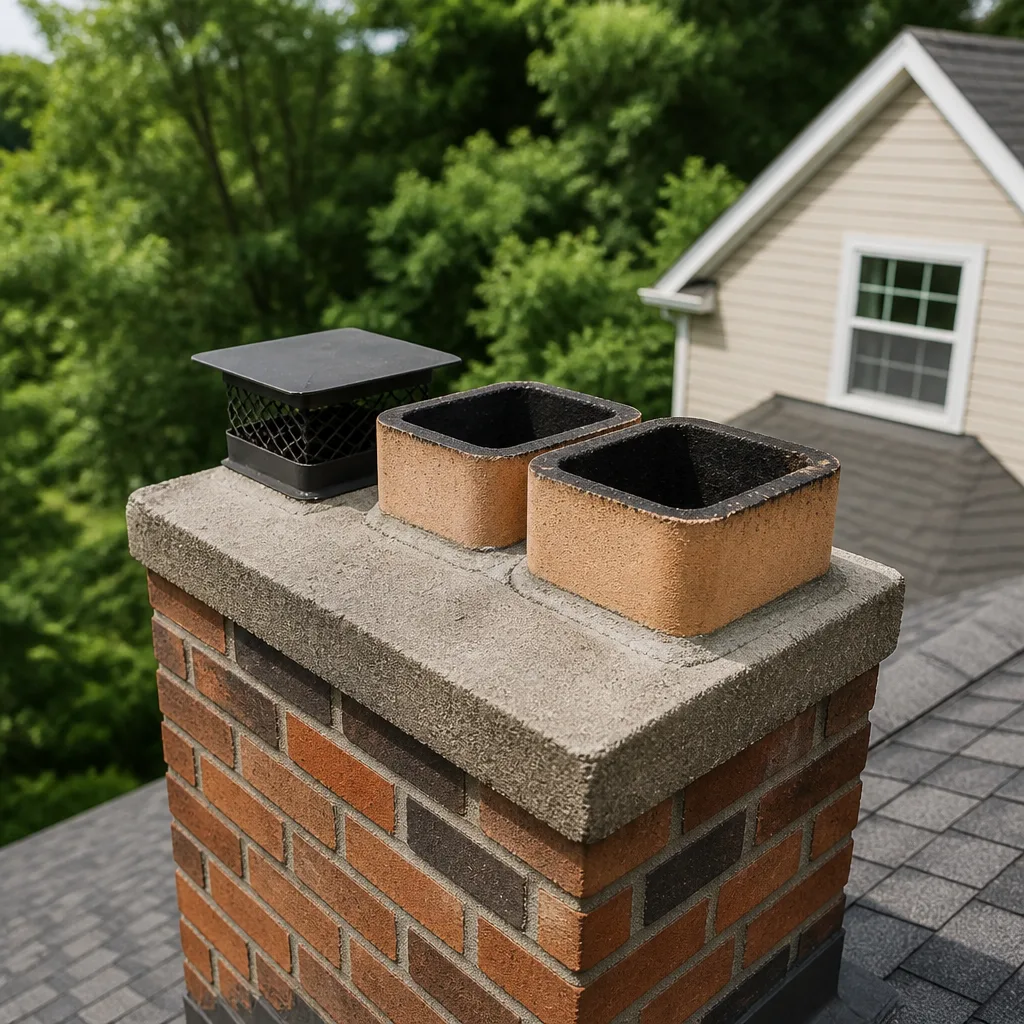 Sweep & inspection
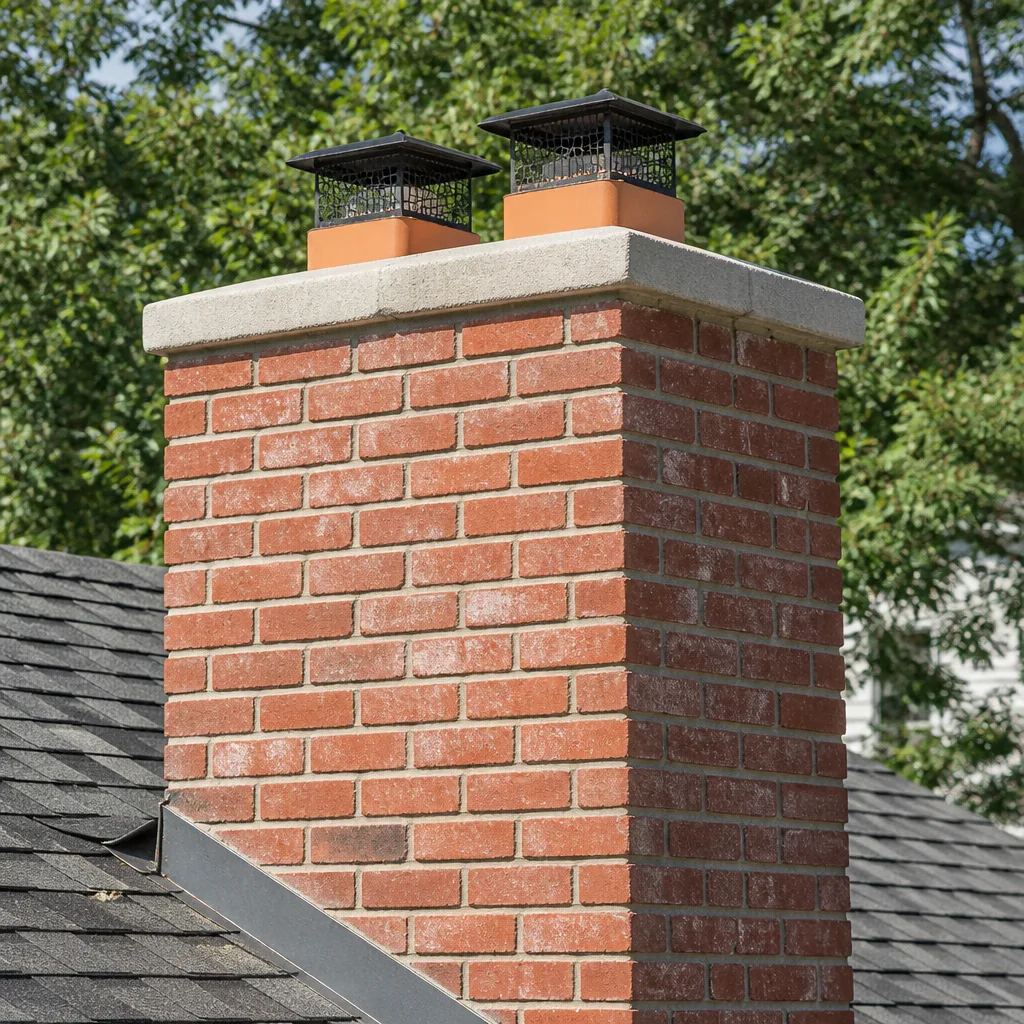 Caps & crowns
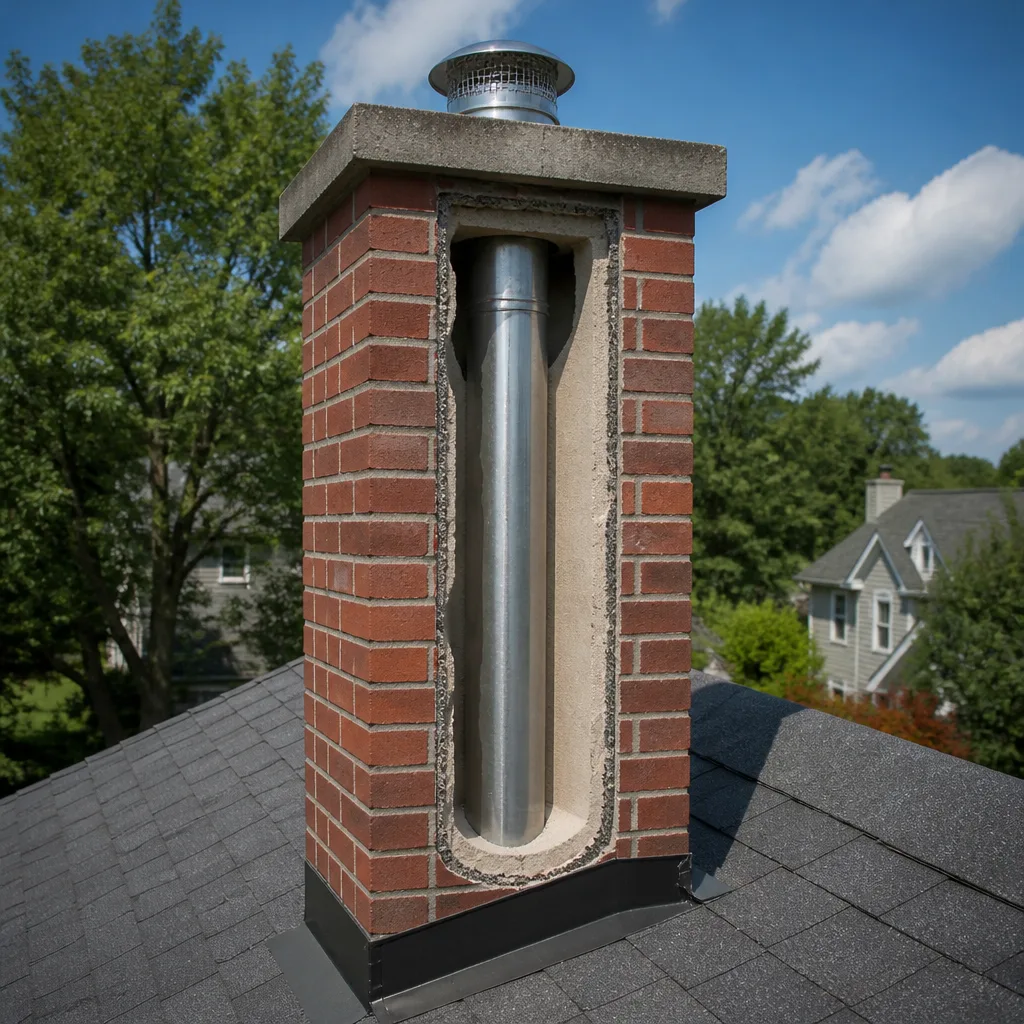 Flue relining
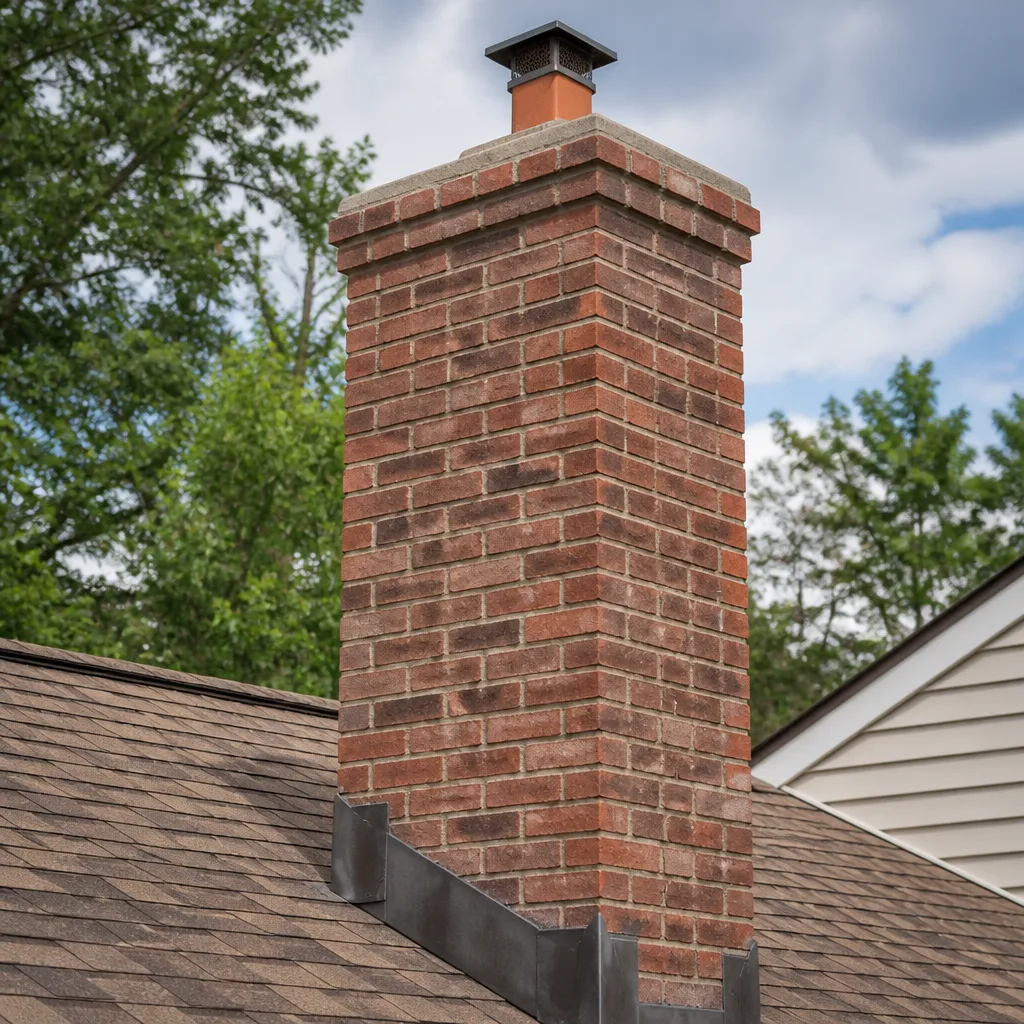 Masonry repair
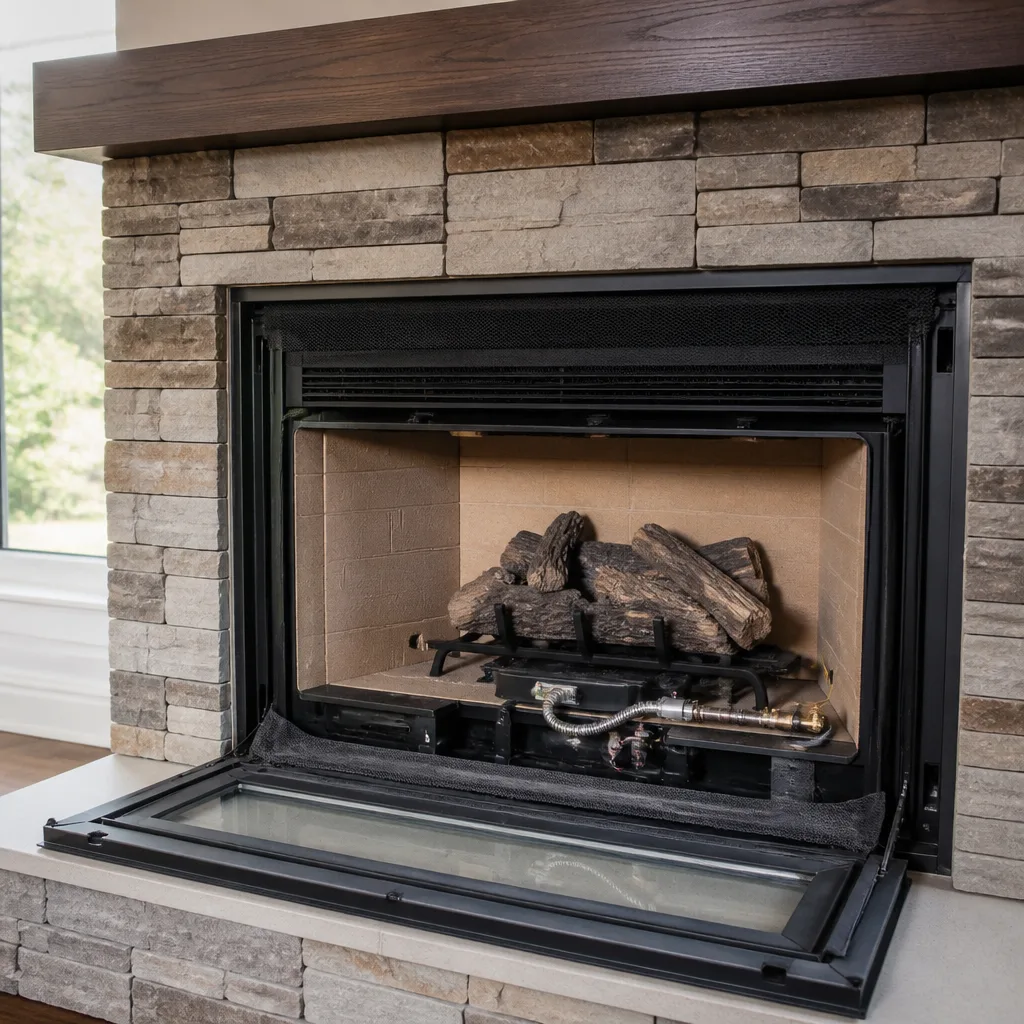 Gas fireplace service
Level 1 sweep and inspection to the NFPA 211 annual standard - flue, crown, cap, and flashing checked and photographed
Chimney sweep logs do not sweep chimneys. They loosen some creosote - which then falls where a brush and vacuum still have to collect it.
Seasonal Chimney Cleaning Care for Issaquah: Year-Round Homeowner’s Guide
Most homeowners think about the chimney once a year, usually the week the first cold snap hits. That timing is the problem. Issaquah averages over 50 inches of rain annually, and every inch of it is looking for a way into an unmaintained chimney. The damage that rain causes in November is usually invisible until April, which is why a single annual cleaning often comes too late to catch the problems that actually cost money. Chimney care here isn’t one task repeated twelve times. It’s a rotating set of threats, and each season brings a different one. This guide walks through what’s happening to your chimney in fall, winter, spring, and summer, how to adjust the schedule for wood inserts, open masonry fireplaces, and gas logs, and which seasonal warning signs deserve a call.
Quick Answer
In Issaquah, the best window for a full chimney cleaning is late September, before the first fire of the season, followed by an inspection after the burn season ends in spring to catch moisture damage while it’s still minor. Homes that burn frequently through winter may need a mid-season cleaning, and summer is the right time for cap and crown work so mortar and sealant can cure properly. Match your schedule to how you actually use the fireplace, not to the calendar alone.
Styles & brands we work with
- Sweep & inspection
- Caps & crowns
- Flue relining
- Masonry repair
- Gas fireplace service
Table of Contents
- Why Seasonal Chimney Care Matters in Issaquah
- Fall: The Late September Cleaning Window
- Winter: Creosote Buildup and Mid-Season Cleaning
- Spring: Post-Season Moisture Inspection
- Summer: Cap and Crown Work in Dry Months
- Adjusting the Schedule by Fireplace Type
- Seasonal Warning Signs to Watch For
- Common Mistakes to Avoid
- When to Call a Professional
- Frequently Asked Questions
Why Seasonal Chimney Care Matters in Issaquah
Issaquah sits in a wet, temperate pocket of the Cascades foothills, and that shapes chimney problems in ways a generic national checklist won’t capture. The rainy season runs long, often from October into May, and the burn season overlaps it almost entirely. That means your flue is being asked to handle two jobs at once for most of the year: exhausting smoke and keeping water out. When both happen simultaneously and the chimney isn’t maintained, you get the classic Issaquah pattern of a clean-looking exterior and a deteriorating interior.
The threats don’t arrive in the same order everywhere in the trade, but here they follow a fairly predictable rhythm:
Moisture intrusion dominates the wet season. Creosote buildup peaks mid-winter as burn frequency climbs. Thermal cycling damage, the freeze-thaw cracking of masonry and mortar joints, shows up most in spring when the moisture that soaked in over winter expands and contracts with the temperature swings. And structural issues that are cheap to fix in dry weather become expensive once the rain returns. Understanding which threat is active when lets you prioritize correctly instead of treating every season the same way.
This is why we think about chimney care in Issaquah as a year-round cycle rather than a fall appointment. A cleaning in September removes the fuel load before you need the fireplace. A spring inspection catches water damage before summer. Summer repairs prepare the chimney for the next wet season. Skip a step and the next season inherits the problem.
Fall: The Late September Cleaning Window
Late September is the optimal time to schedule a chimney sweep in Issaquah. The reasoning is timing, not tradition. By late September, the long dry summer has left creosote deposits brittle and easy to remove, and the first serious rain hasn’t yet soaked into masonry that then needs to dry before it can be evaluated. Cleaning before the first fire means you’re starting the season with a verified clear flue and a fresh look at any glazing or buildup you accumulated last winter.
What to look for after summer’s dry heat:
- Creosote that hardened over summer. The glazed, tar-like third-degree creosote is most stubborn after months of no use. It’s also the most flammable form, which is why fall cleaning is about safety, not just tidiness.
- Cap and crown damage from the drying cycle. Summer heat can widen existing hairline cracks in the crown. A crack that was cosmetic in June lets water in by November.
- Animal nesting and debris. Late summer is when birds and small mammals look for shelter. A missing or damaged cap turns a flue into a nest cavity.
- Mortar joint wear visible from outside. Walk the exterior once and look at the chimney stack, especially the top few courses.
Aim to have the cleaning and inspection done before you light the first fire. If you haven’t booked by mid-September, book anyway. We’d rather sweep a flue that’s been used a couple of times than have you start the season on a creosote load you can’t see.
Winter: Creosote Buildup and Mid-Season Cleaning
How often you need a mid-season cleaning depends almost entirely on how you burn. Creosote accumulation is a function of burn frequency, fuel moisture, and flue temperature. A homeowner who burns a couple of fires a week on dry, seasoned wood will accumulate far less than someone burning daily on wood that hasn’t fully dried. In Issaquah’s damp climate, wood that sat outside uncovered through a wet fall can be holding enough moisture to cool the smoke and accelerate creosote formation, even if it looks dry on the surface.
A mid-season cleaning is warranted when any of these apply:
- You’re burning daily. A heavily used fireplace can build a meaningful creosote layer within a month or two of regular fires.
- The fire is smoky or slow to draw. Restricted draft often means the flue is narrowing with deposits.
- You’ve used unseasoned or wet wood. That’s the single biggest driver of fast buildup.
- You notice a strong, acrid smell when the fireplace isn’t in use. That’s creosote off-gassing, and it’s a sign deposits are significant.
- Your last cleaning was more than a year ago and you burn most days. If you can’t remember the last sweep, treat this winter as overdue.
Winter is also when carbon monoxide risk deserves attention. A blocked or partially blocked flue can spill combustion gases back into the living space instead of exhausting them up and out. That risk is real whether the obstruction is creosote, a bird’s nest, or a collapsed liner section. This is one of the reasons we recommend a carbon monoxide alarm on every level of a home with a wood-burning fireplace. If you smell smoke indoors with the damper open, or the fire won’t draw, stop using the fireplace and get the flue checked before lighting another fire.
Spring: Post-Season Moisture Inspection
Spring is when the damage from a wet winter becomes visible. The inspection priorities shift from fire safety to moisture and structure, because the water that entered through a cracked crown, a missing cap, or deteriorated flashing over the winter has had months to work on the masonry, the liner, and the firebox. Catching it in April usually means a targeted repair. Catching it the following November often means a much bigger project.
Spring inspection priorities, in order:
- Crown cracking and deterioration. The crown is the concrete or mortar cap at the top of the chimney. Cracks let water run down into the chimney’s interior. This is the most common moisture entry point and the one most often missed.
- Spalling brick. Brick faces that are flaking, peeling, or crumbling are absorbing water and freezing. Spalling spreads if the water source isn’t addressed.
- Liner condensation staining. Dark streaks or rust-colored staining inside the flue can indicate condensation from a flue that’s oversized for the appliance or running too cool.
- Flashing and chimney-to-roof seals. The joint where the chimney meets the roof is a classic leak point, and winter is when it fails most.
- Damper and smoke chamber condition. Check that the damper opens and closes fully and seals properly.
If the inspection turns up cracked or deteriorated liner sections, that’s a conversation about relining rather than a stopping point. We work with chimney repair methods including HeatShield, a resurfacing system that restores a liner from the inside without tearing out the chimney structure when the existing liner is a candidate for it. It’s a solution most general contractors can’t offer because they don’t carry the product or the certification to apply it. In many cases it extends the flue’s service life by years without a full replacement.
Summer: Cap and Crown Work in Dry Months
Summer is the right time to do masonry and sealant work because dry, warm weather lets mortar, sealant, and crown material cure properly. In Issaquah, the dry months are short enough that postponing exterior chimney work into the wet season usually means a compromised repair. A crown poured in a wet October may never set up as hard as one poured in a dry July, and a sealant applied to damp masonry will trap moisture rather than keep it out.
Summer tasks that protect the chimney before the next wet season:
- Replace or repair a cracked crown. A solid, properly sloped crown is the single best defense against water intrusion.
- Install a proper chimney cap. A cap with a mesh screen keeps rain, animals, and debris out while letting smoke escape. Missing caps are a common cause of water damage in Issaquah.
- Repoint deteriorating mortar joints. Fresh mortar sealing the joints stops water from wicking into the brick.
- Replace damaged flashing. Summer is when roofing work is easiest and most reliable.
- Address spalled brick before winter. Once freeze-thaw cycles start, spalling accelerates.
The distinction between a cap and a crown matters, and it’s worth getting right because they solve different problems. The crown is the sloped cap of masonry at the very top that sheds water off the chimney structure. The cap is the cover that sits over the flue opening, usually on legs or a band, to keep rain and animals out of the flue itself. You need both. A home can have a perfectly sound crown and still take on water because the flue itself is open to the sky.
We stock and install Copperfield and Famco components for cap and crown work because these are built to professional specifications rather than sold as one-size-fits-all hardware-store parts. That matters for longevity, especially in a climate that will test them every winter.
Adjusting the Schedule by Fireplace Type
The seasonal framework above is a starting point. The type of appliance you’re heating with changes how often and how urgently each seasonal task applies. Issaquah homes run the gamut: older masonry fireplaces, wood-burning inserts, and gas log sets, and each has its own maintenance rhythm.
Wood-Burning Inserts
Inserts burn hotter and more efficiently than open masonry fireplaces, which generally means less creosote per cord of wood, but they also concentrate heat in the flue and depend on a properly sized liner. If your insert was installed with a full-height insulated liner, your creosote risk is lower. If it was dropped into an older masonry flue without a proper liner, the risk climbs considerably. For inserts, annual cleaning is still the default, and it’s worth having the liner inspected at the same time. If the liner is due for replacement, DuraFlex flexible liner systems are the benchmark we specify because they’re engineered for exactly this application and hold up to the heat cycling.
Open Masonry Fireplaces
Open masonry fireplaces are the least efficient and build creosote faster than inserts because they burn cooler and send more unburned smoke up the flue. These are the chimneys most likely to need a mid-season cleaning if you burn regularly. They’re also the most exposed to moisture because the masonry mass itself absorbs water. Spring and summer moisture inspection and repair matter more here than for any other appliance type.
Gas Log Sets
Gas logs burn clean and don’t produce creosote, so the annual cleaning cycle doesn’t apply in the same way. What does apply is annual inspection and cleaning of the burner, logs, and venting. Gas logs can produce a light dust or soot accumulation, and the venting still needs to be checked for blockages or deterioration. If your gas log set vents through a chimney, that flue should be inspected on a regular schedule just like a wood-burning one.
What We Recommend by Type
- Wood insert, proper liner: Annual fall cleaning and inspection; spring inspection of the liner and moisture seals.
- Wood insert, retrofitted to older flue: Annual fall cleaning, mid-season check if burning daily, spring liner inspection.
- Open masonry fireplace, regular use: Late-summer cleaning, possible mid-season sweep, spring moisture inspection, summer cap and crown work.
- Gas logs: Annual inspection and servicing; venting inspected regularly; still check that a cap is in place.
Seasonal Warning Signs to Watch For
Different times of year surface different symptoms. Here’s what to watch for in Issaquah and what each sign usually means.
Fall Warning Signs
- Smoke entering the room before the fire is fully going. Often a cold flue or a partially blocked flue. Needs a sweep before regular use.
- A lingering smoky smell when the fireplace is off. Creosote buildup off-gassing as temperatures drop.
- A missing or damaged cap. Look from the ground; if you can see an open flue, water is getting in.
Winter Warning Signs
- Reduced draft or smoke rolling out of the firebox. Stop using the fireplace and get the flue checked.
- A strong creosote smell inside the house. Deposits are significant; schedule a sweep.
- Flue fire symptoms: roaring sound, black smoke, a hot chimney exterior. Call the fire department and don’t use the fireplace until the flue has been inspected and cleared.
Spring Warning Signs
- Flaking or crumbling brick on the exterior. Spalling; needs repair before winter.
- Cracks in the crown or visible gaps at the roofline. Water entry points that need sealing.
- White staining on the masonry. Efflorescence, a sign that water is moving through the masonry and needs to be addressed.
Summer Warning Signs
- Cracked crown from the drying cycle. Summer is the window to fix it before the rains return.
- Deteriorating mortar joints. Repointing is easier in dry weather.
- Damaged flashing at the roofline. Best repaired now.
Trust what a camera shows you rather than what a salesman tells you, and the same should be true of us. An inspection we perform includes photos of what we find in the flue and on the chimney, so you can see the evidence yourself and decide whether a repair is worth doing now. That’s how it should work for any honest inspection.
Common Mistakes to Avoid
- Waiting for the first cold snap to book a cleaning. By the time the cold weather hits, the cleaning schedule is booked out and the first fires of the season are being burned on a creosote load you haven’t dealt with. Late September exists for a reason.
- Skipping the spring inspection. The cleaning gets done; the inspection doesn’t. Water damage from a cracked crown is caught in the fall when it’s already done its work, instead of in the spring when it’s cheap to fix.
- Burning wet wood. In Issaquah’s wet climate, wood stored uncovered over the rainy season needs to be dried properly before it goes in the fireplace. Wet wood is the fastest route to rapid creosote buildup.
- Assuming a gas fireplace needs no maintenance. Gas logs don’t build creosote, but the burner, controls, and venting still need inspection and cleaning, and an open flue without a cap still takes on water.
- Putting off cap and crown work until fall. Sealant and mortar applied to damp masonry won’t hold. The dry summer months are the only reliable window in this climate.
- Treating a chimney sweep as a one-and-done appointment. A cleaning removes what’s there; it doesn’t prevent the next buildup or catch moisture damage. The seasonal cycle does.
- Assuming what a general handyman told you is the full picture. Chimney work is its own trade with its own methods and products. A general contractor may not carry a resurfacing system like HeatShield or stock professional-grade components like Olympia Chimney and Famco parts. Getting a specialist eye on the liner early avoids solving the wrong problem.
When to Call a Professional
Some things are safe to do yourself: clearing leaves and debris from around the chimney base, checking the cap from the ground, keeping combustible materials away from the hearth. Many of the most important chimney tasks are not safe to handle alone. Sweeping the flue properly, inspecting the liner with a camera, replacing a crown, repointing mortar above roofline, or relining a deteriorated flue are all work for trained professionals, and some of it involves heights, ladders, and confined spaces. If you’ve noticed any of the seasonal warning signs above, if your last cleaning is more than a year old, if you’ve never had the flue inspected, or if you’re planning cap or crown work before the rains return, it’s worth booking an inspection. Chimney Sweep Issaquah offers free estimates in Issaquah, and the inspection report gives you a clear picture before any repair is recommended. Call (855) 550-7279.
We don’t recommend a liner replacement or masonry work without evidence. If the flue is in good condition, we’ll tell you so, and we’ll tell you what work can safely wait. You’ll see the photos and you’ll get a written estimate that sets the final price before any work begins.
Frequently Asked Questions
Most Issaquah homes should have the chimney swept annually in late summer or early fall, before the first fire of the season. Homes that burn daily through winter may need a mid-season cleaning as well. Gas log sets need annual inspection but not creosote cleaning. Call (855) 550-7279 for an exact quote, and estimates are free.
Skipping cleaning lets creosote accumulate in the flue, and creosote is the fuel that feeds a chimney fire. It also means moisture problems go unnoticed, so a cracked crown or deteriorated mortar joint does months of damage before it’s caught. Neither problem announces itself until it’s advanced. Call (855) 550-7279 for an exact quote, and estimates are free.
Maybe, but not without evidence. A liner is replaced when it’s cracked, deteriorated, or improperly sized for the appliance, and that should be determined by inspection, not guesswork. In many cases a resurfacing system like HeatShield can restore an aging liner without a full replacement. If a contractor recommends a new liner, ask to see the photos. Call (855) 550-7279 for an exact quote, and estimates are free.
Yes, late September is the sweet spot because the summer’s dry heat has left deposits brittle and easy to remove, and the first serious rains haven’t yet soaked into the masonry. Cleaning before the first fire means you start the season with a clear flue. If you missed the window, book anyway; a sweep in October is far better than none. Call (855) 550-7279 for an exact quote, and estimates are free.
Homeowners can safely clear debris from around the chimney and check the cap from the ground, but the actual flue cleaning and inspection involve heights, ladders, confined spaces, and equipment most people don’t have. Camera inspection in particular is what catches problems early. Leave the flue work to a trained technician. Call (855) 550-7279 for an exact quote, and estimates are free.
Issaquah’s wet-season climate leaves a short dry window for masonry and sealant work, and mortar, sealant, and crown material need warm, dry conditions to cure properly. Work done in the wet months can fail before it’s even set. Summer is when cap and crown repairs are done right. Call (855) 550-7279 for an exact quote, and estimates are free.
The Bottom Line
Chimney care in Issaquah isn’t one annual task. It’s a year-round cycle matched to what the climate is doing to your chimney at each stage. Fall cleaning protects against creosote; winter attention catches buildup and draft problems before they become dangerous; spring inspections catch moisture damage from the wet season while it’s cheap to fix; and summer is the only reliable window for cap, crown, and masonry work. Match the schedule to your fireplace type, act on the warning signs, and get a professional inspection once a year. Inspect before you repair, and repair with professional-grade materials. That’s the whole framework.
One company can handle cleaning, inspection, fireplace repair, chimney repair, and cap and crown work, so you don’t have to coordinate between trades. We specify brands like DuraFlex and Olympia Chimney because they’re built to last, not built to come back. Whether it’s a seasonal cleaning before the first fire or a spring repair after the rains, we’re here to help. Call (855) 550-7279 for a free estimate. We answer 24/7. Fast dispatch from 7am to 7pm, Sunday through Friday, closed Saturday.
Written by the team at Chimney Sweep Issaquah.
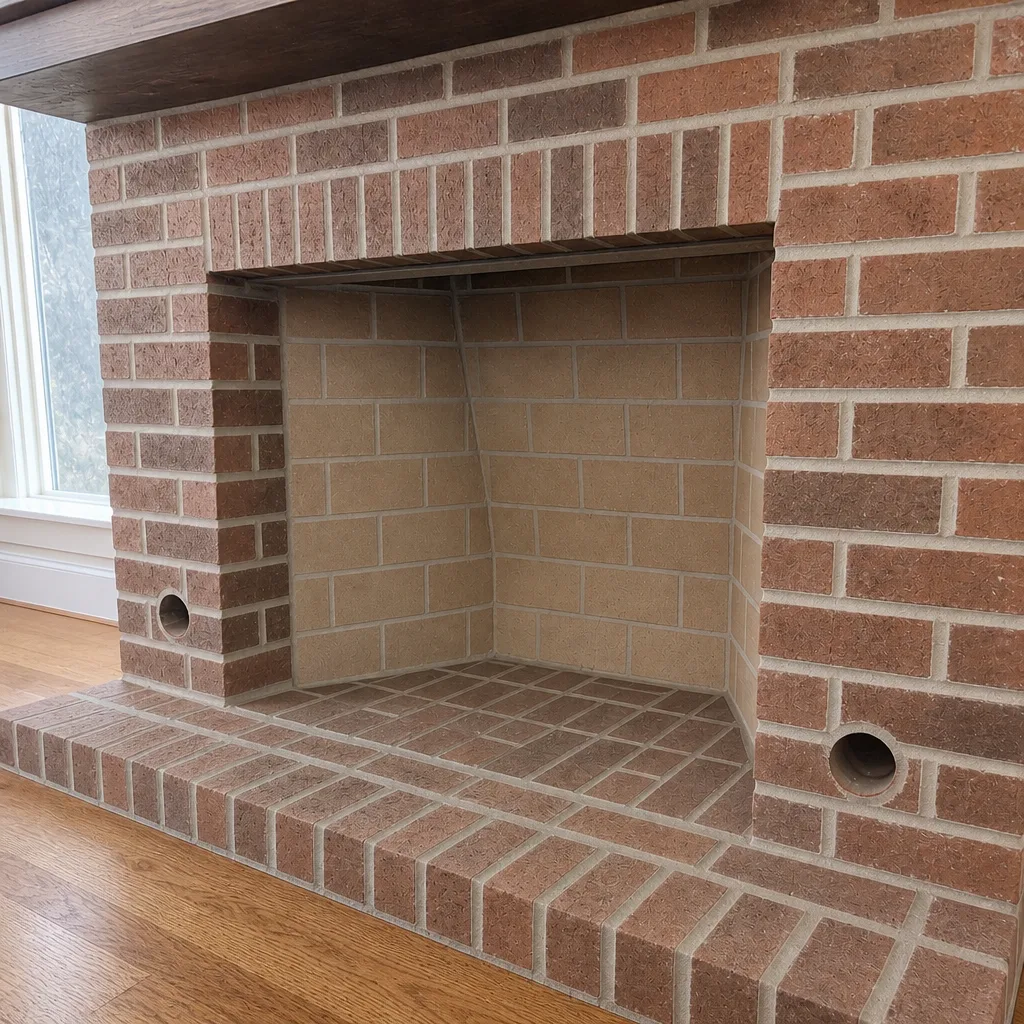
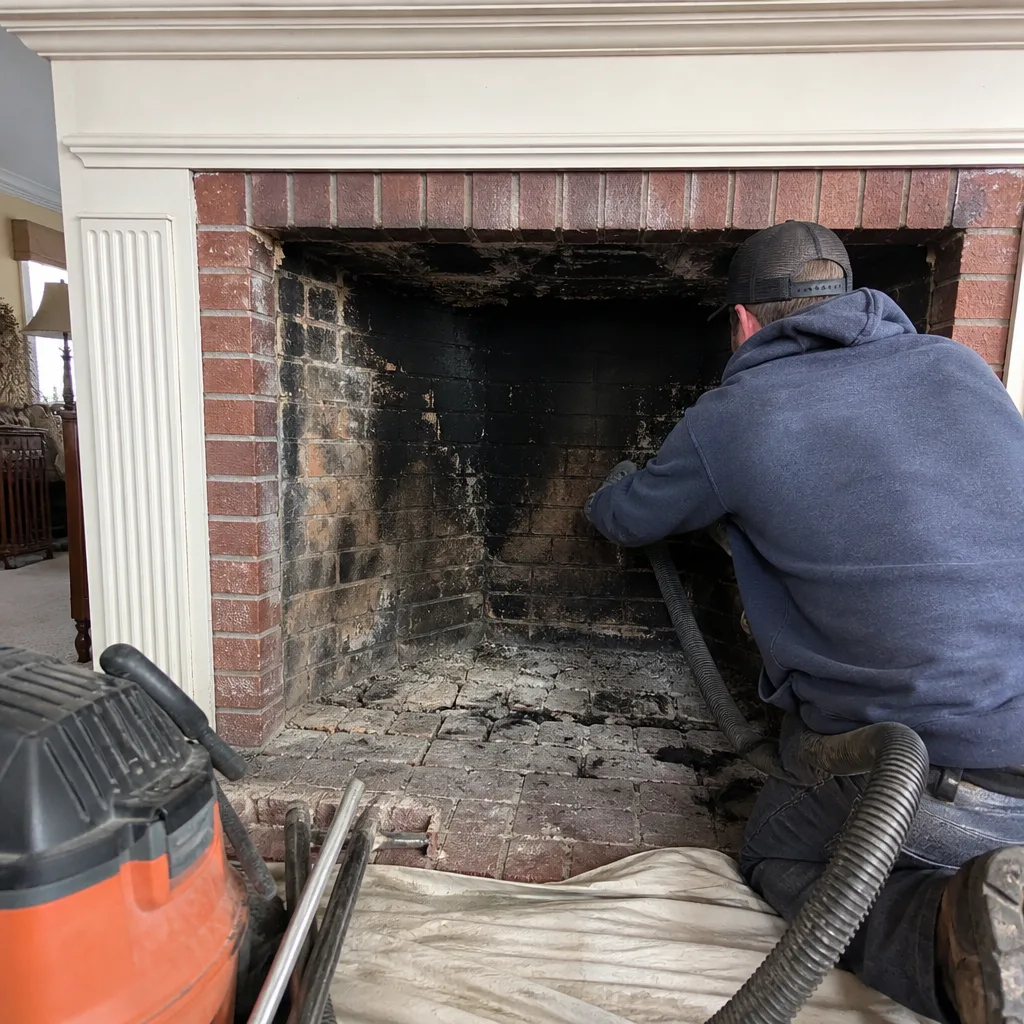
See the difference
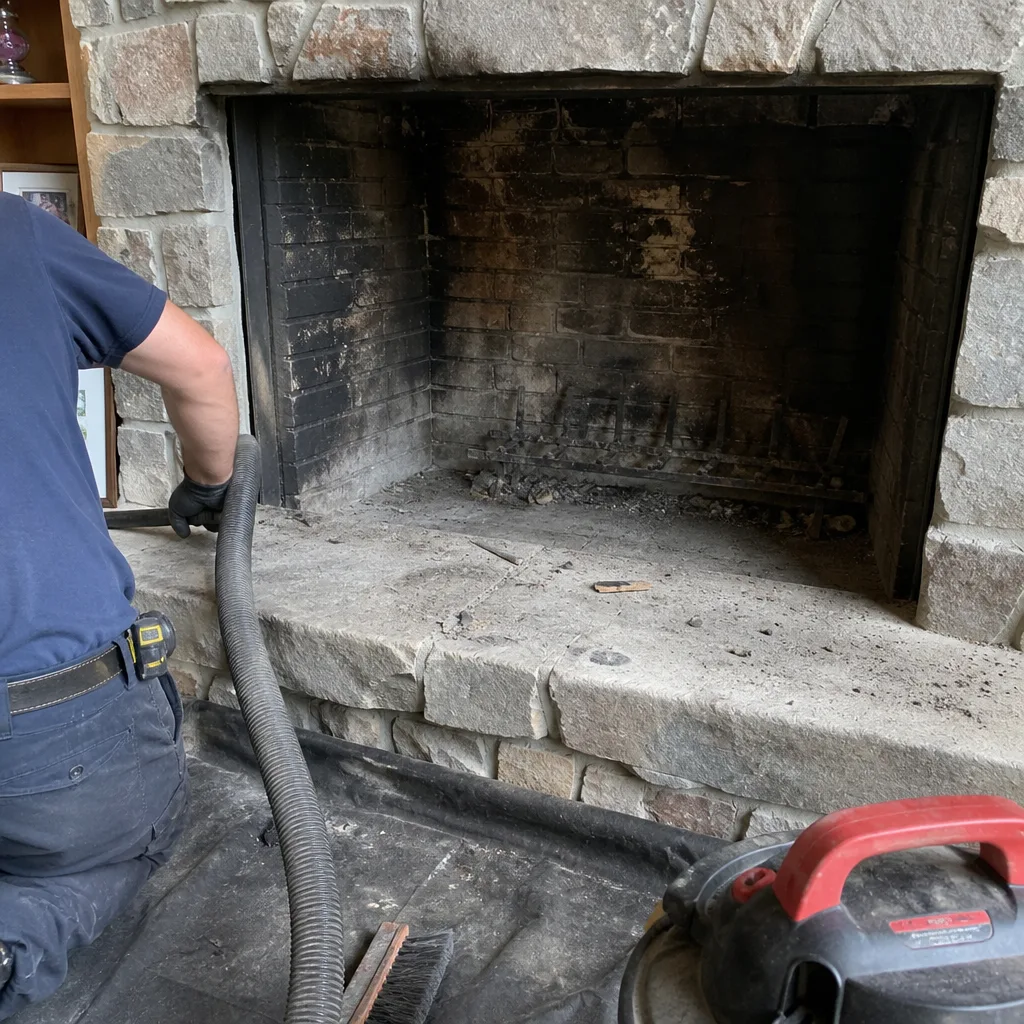 Before
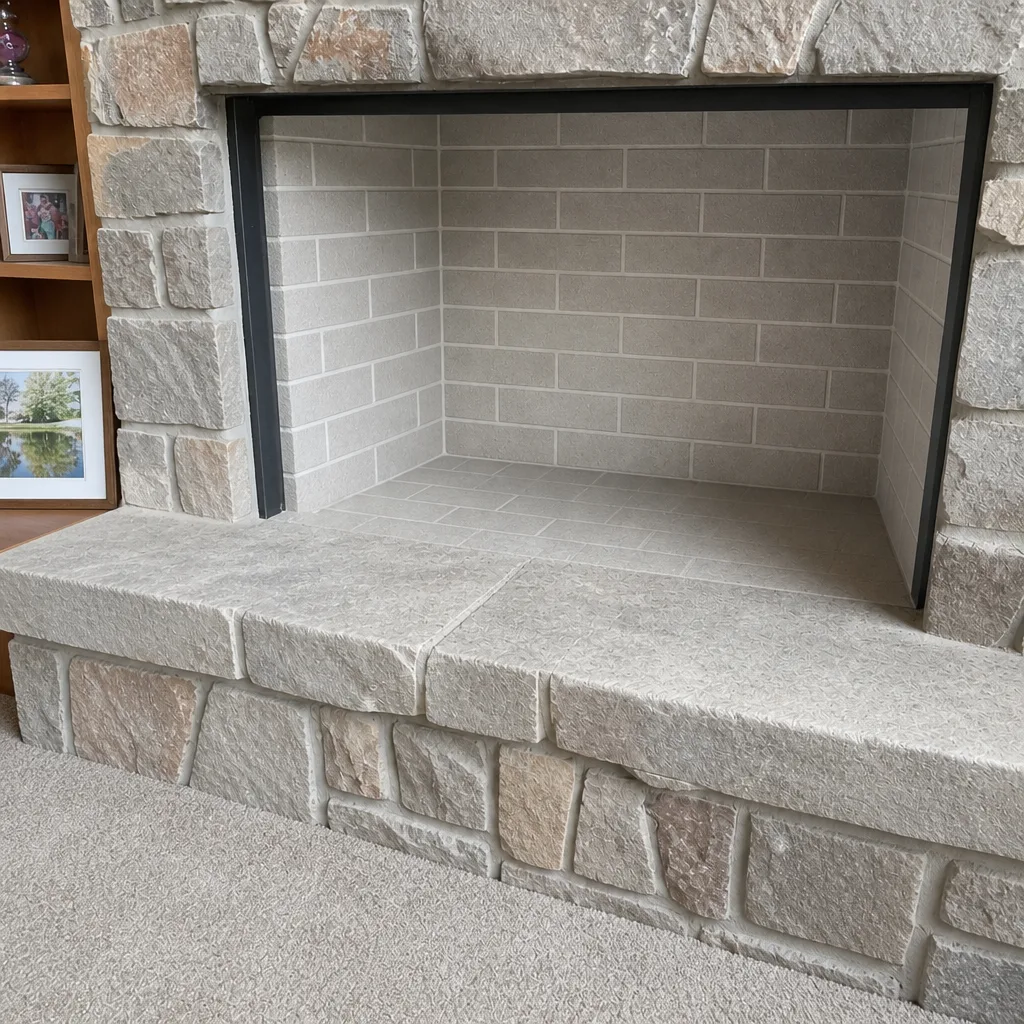 After
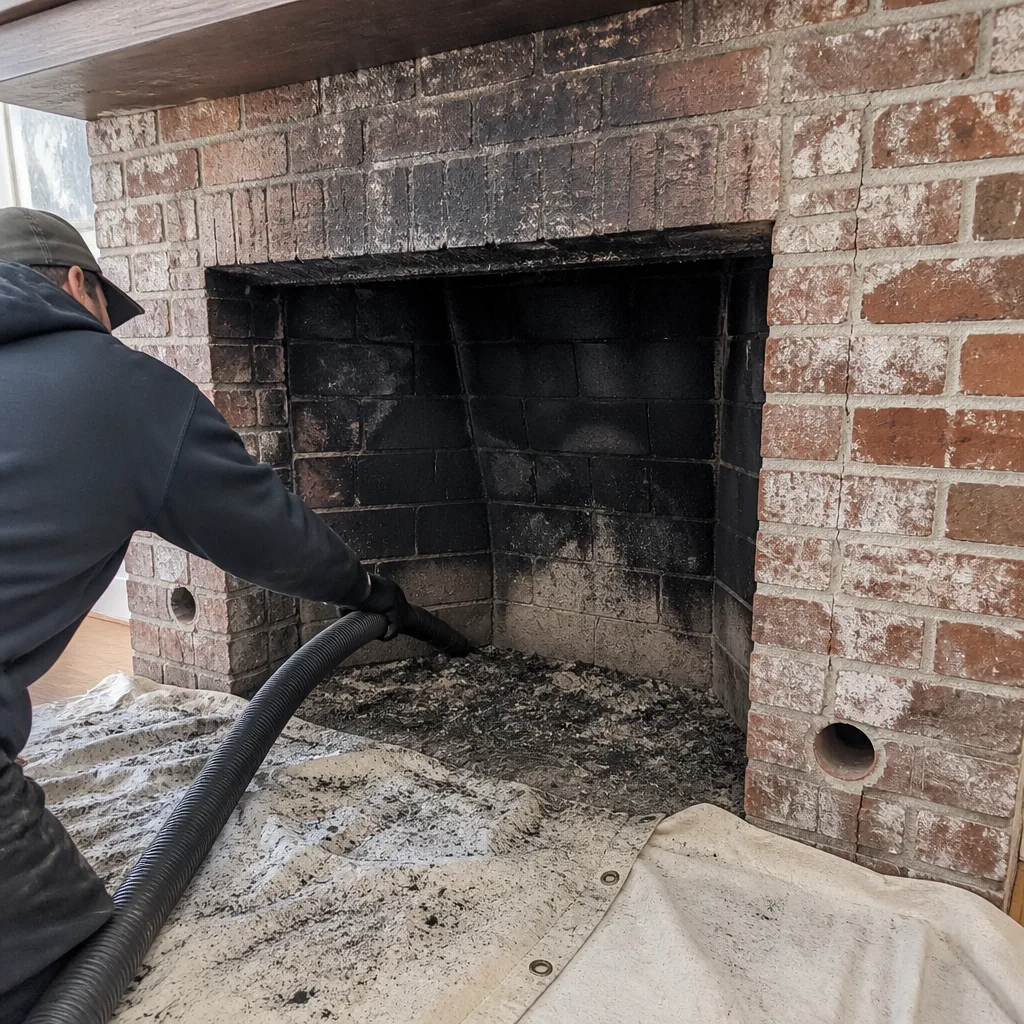 Before
 After
 Before
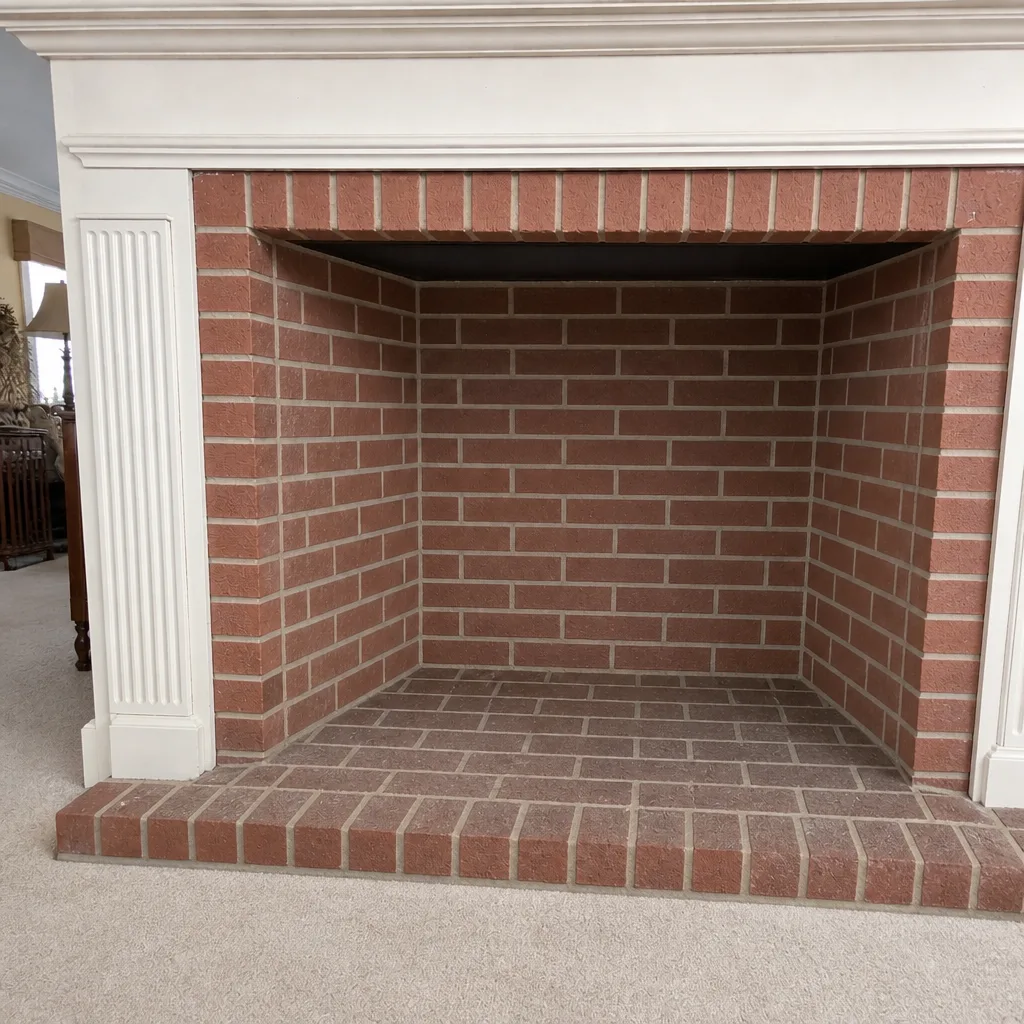 After