
Last updated November 25, 2026
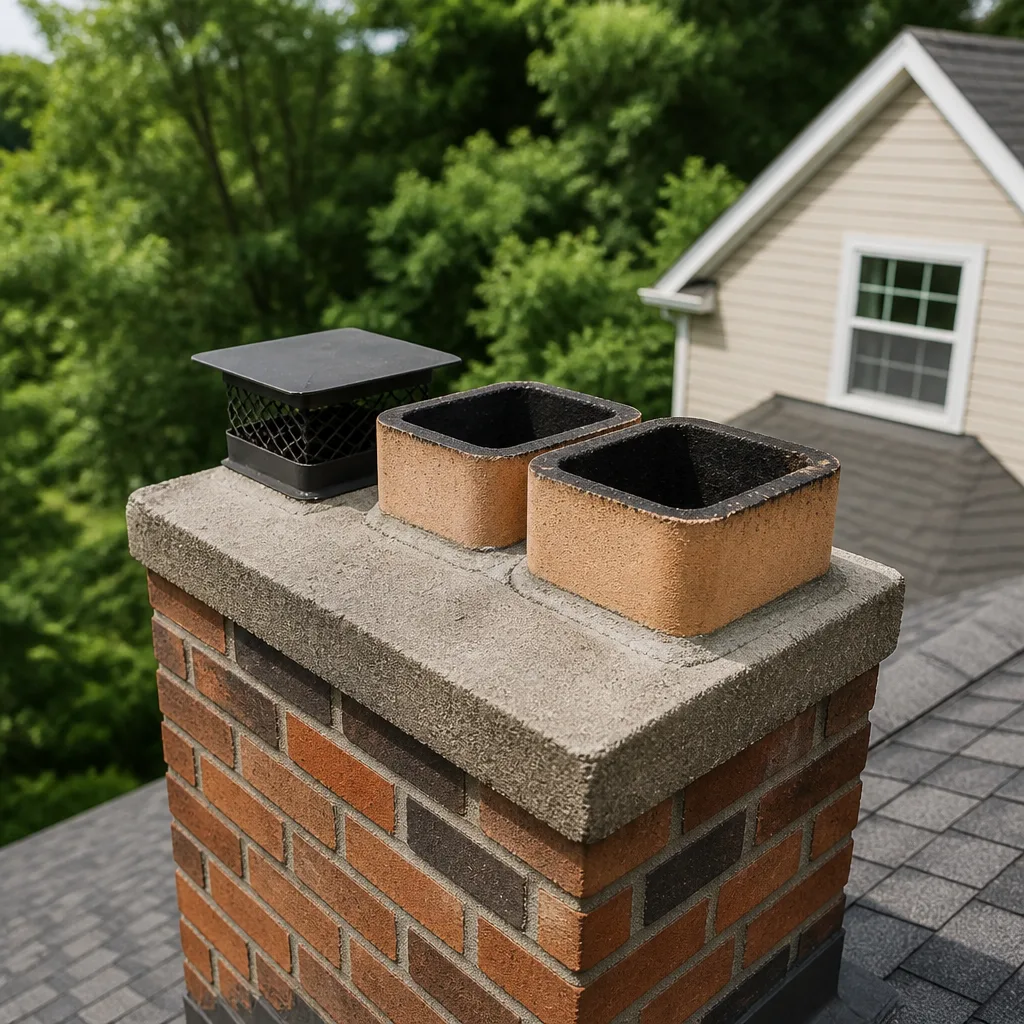 Sweep & inspection
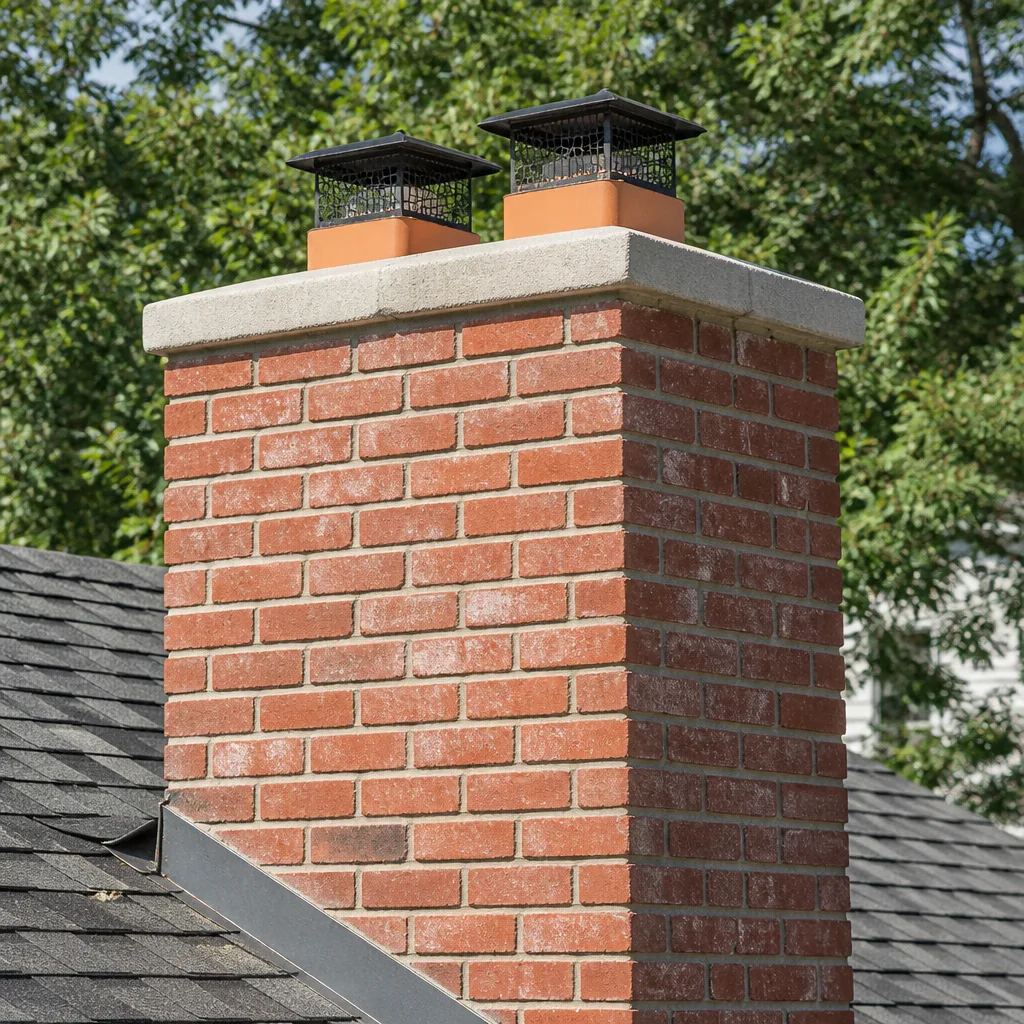 Caps & crowns
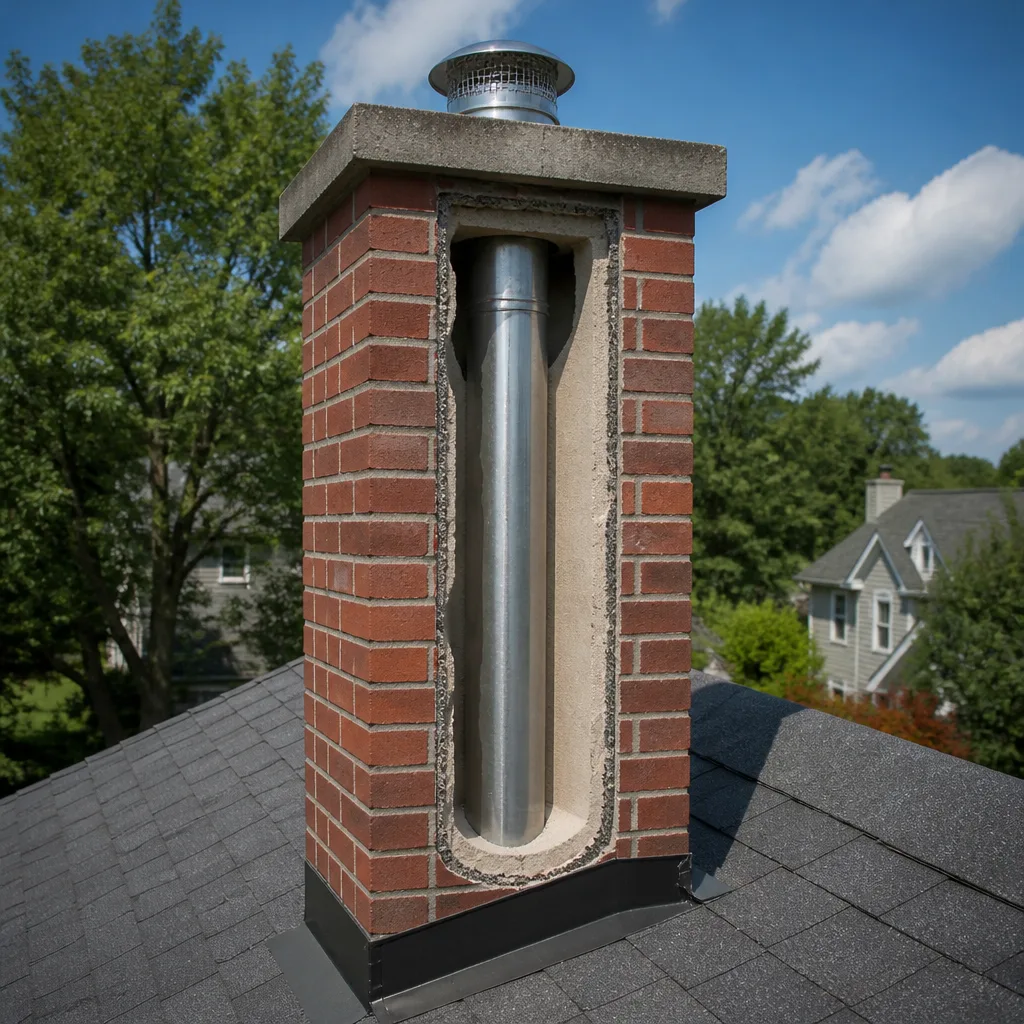 Flue relining
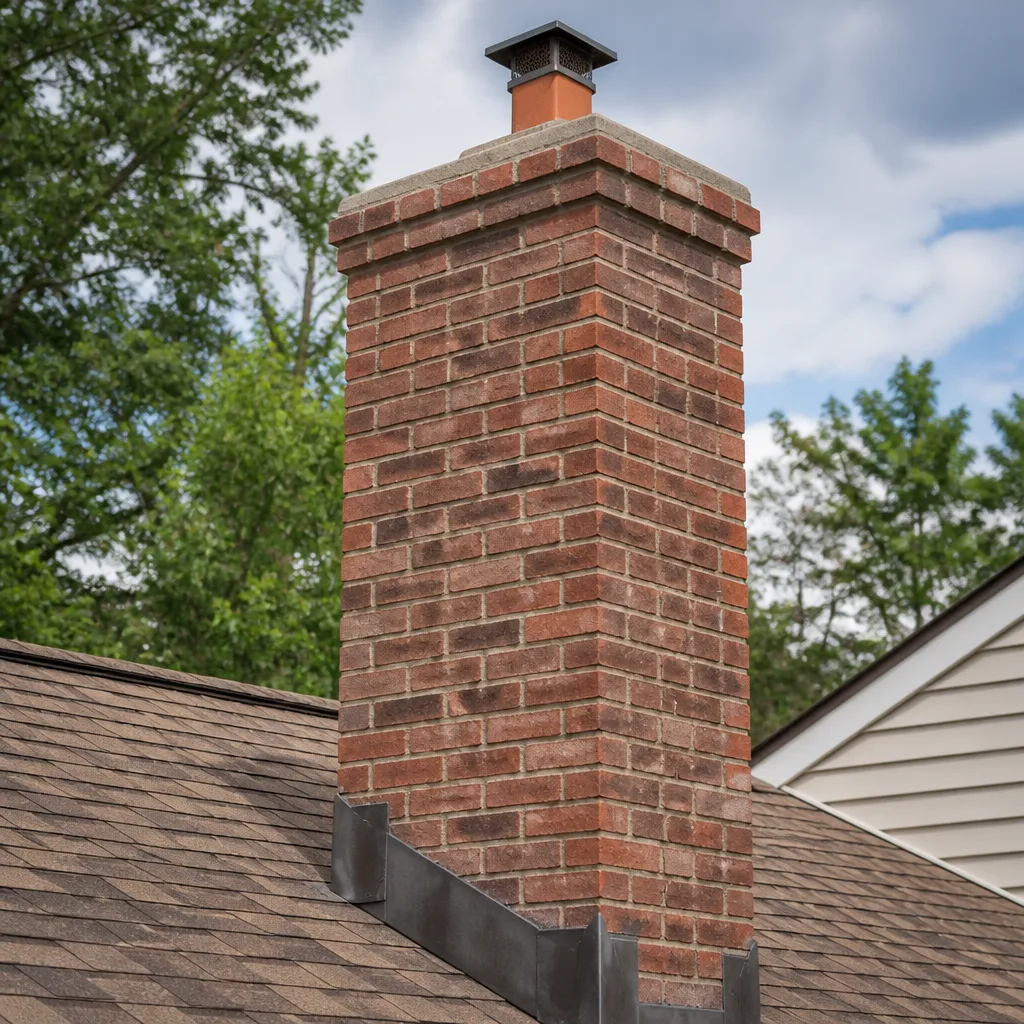 Masonry repair
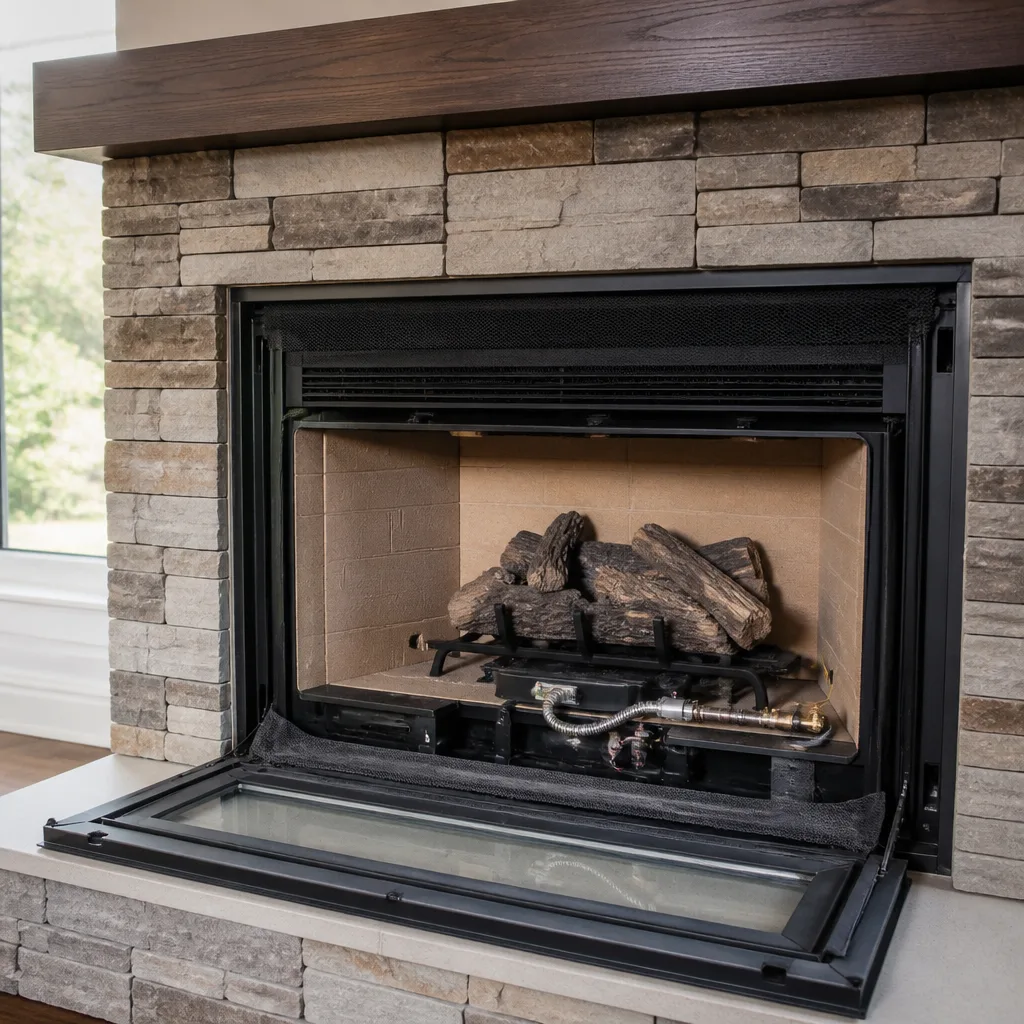 Gas fireplace service
Level 1 sweep and inspection to the NFPA 211 annual standard - flue, crown, cap, and flashing checked and photographed
Chimney sweep logs do not sweep chimneys. They loosen some creosote - which then falls where a brush and vacuum still have to collect it.
Choosing the Right Chimney Cleaning Brand: A Buyer’s Guide for Issaquah
Here’s a detail most homeowners never notice: when a contractor replaces your chimney cap, the difference between a galvanized steel cap and a stainless steel one from a name brand isn’t visible from the ground. Both look like a metal lid. One will likely need replacing in about half the time of the other. That gap, invisible at the roofline, is what this guide is about. The brands behind chimney products (the liners, caps, crown coatings, and sealants that actually do the work) decide whether a repair lasts a season or a generation. And most Issaquah homeowners never ask what’s being installed. Over the next few sections, we’ll walk through the product categories where brand choice matters most, how to ask a contractor the right questions, and how to read the answers you get.
Quick Answer
The right chimney brands are the ones built and tested for professional use in wet climates: HeatShield and Gelco for liner work, Olympia Chimney and Famco for caps, crowns, and structural components, and stainless steel over galvanized wherever water and time are the enemy. In Issaquah’s damp Western Washington climate, materials that resist moisture and thermal cycling are worth the modest added cost because they fail less often and last longer. Ask your contractor which brands they install before you book the job, and treat a vague answer as a real signal.
Styles & brands we work with
- Sweep & inspection
- Caps & crowns
- Flue relining
- Masonry repair
- Gas fireplace service
Table of Contents
- Why Chimney Brands Matter More Than Most Homeowners Think
- The Five Product Categories Where Brand Choice Matters Most
- Professional-Grade vs. Hardware-Store-Grade: What the Difference Costs
- Which Brands Fit Western Washington’s Wet Climate
- How to Ask a Contractor What Brands They Use (And Read the Answer)
- The Materials We Specify and Why
- Issaquah-Specific Considerations: Housing Age, Trees, and Weather
- Common Mistakes to Avoid
Why Chimney Brands Matter More Than Most Homeowners Think
A chimney is a simple structure with an unforgiving job. It moves hot, corrosive exhaust up and out of a house, then sits fully exposed to rain, wind, and freeze-thaw cycles for decades. Every component in that system (the flue liner, the cap, the crown, the smoke chamber seal) is a small piece of engineering. When a brand builds to professional standards, the material thickness, the alloy grade, the seal chemistry, and the tolerances all reflect a product meant to survive that job. When a brand builds to a hardware-store price point, one of those variables gives.
The market rewards the wrong thing. A homeowner comparing two quotes sees a $200 difference on a cap replacement and assumes the work is identical. It rarely is. The cheaper quote often reflects a thinner gauge of steel, a galvanized finish instead of stainless, or a one-size-fits-all cap that doesn’t seal properly to your flue. Those choices don’t show up in the invoice. They show up eight or ten years later, when the cap has rusted through and water has been running down the flue for longer than anyone realized.
Chimney work is also a long-cycle investment. A properly installed stainless liner from a professional brand can serve for the life of the chimney. A generic liner installed over a degraded flue can fail in a fraction of that time, and the failure isn’t always obvious until a sweep or inspection finds it. The brand you choose isn’t a luxury line item. It’s the difference between a repair that holds and a repair you’ll be paying for twice.
This matters in Issaquah because the housing stock is a mix. Some homes sit close to the Issaquah Alps and deal with heavy leaf and needle debris, some sit in older neighborhoods with masonry chimneys that predate modern liner standards, and some are newer builds with factory-built fireplaces that call for specific manufacturer-specified components. In every case, the products installed should match the system and the climate, not whatever is cheapest on the shelf.
The Five Product Categories Where Brand Choice Matters Most
Not every chimney product is created equal, and not every category carries the same brand risk. These five are where the gap between professional-grade and commodity is widest, and where a homeowner’s choice has the longest consequences.
1. Liner Systems
The flue liner is the single most important component in the chimney. It contains the combustion gases, protects the surrounding masonry from heat and moisture, and gives the chimney its safe pathway. Flexible stainless liners from brands like DuraFlex are engineered for the thermal cycling and corrosive condensate that wood and gas appliances produce. Generic liners often skip the wall thickness, alloy grade, or joint integrity that professional brands test for. When a liner fails, it can mean a full reline and, in the worst cases, a chimney that can’t be used until the work is done.
2. Chimney Caps
Caps keep rain, snow, animals, and debris out of the flue while letting exhaust escape. The materials matter enormously. Stainless steel caps from brands like Olympia Chimney or Famco resist rust and hold their shape through decades of weather. Galvanized or thin-gauge caps rust from the inside out, and a rusted cap lets water straight into the flue. In a wet climate, that’s a slow, quiet problem that compounds.
3. Crown Coatings
The crown is the concrete or masonry top of the chimney, and it’s the first line of defense against water intrusion. Cracks in the crown let water in, and water is the single biggest cause of chimney deterioration. Crown coatings and sealants from professional brands are formulated to flex with the masonry and resist UV and freeze-thaw. Generic coatings crack within a few seasons, which puts you right back where you started.
4. Creosote Removers and Sweeping Products
Creosote, the tar-like residue of wood combustion, is the fuel for chimney fires. Professional sweeping tools and chemical creosote treatments from established brands do a more thorough job than commodity brushes and store-bought powders. The difference is in the brush material and stiffness, the chemical formulation, and how the product interacts with the flue liner. Getting this right is the core of any chimney sweep visit.
5. Smoke Chamber Sealants and Resurfacing Systems
The smoke chamber, the sloped area above the firebox, is where turbulence and creosote buildup often hide. HeatShield, the industry’s leading resurfacing system, restores the smoke chamber and liner surfaces without a full rebuild. That’s a repair category most general contractors can’t offer, and it’s where brand selection directly determines whether a repair is possible at all.
Professional-Grade vs. Hardware-Store-Grade: What the Difference Costs
The honest answer is that professional-grade materials cost more up front and less over time. The gap on a single item can look small, but the lifespan difference is what really matters. Here’s how the two tiers compare across common repair items:
- Chimney cap: A stainless steel cap from a professional brand typically lasts a generation or more. A galvanized or thin-gauge cap often rusts through in a fraction of that time, and the water damage it lets in can cost far more than the cap itself.
- Flexible liner: A professional stainless liner is built for the thermal cycling and condensate of a working chimney. A commodity liner may not meet the same wall-thickness or alloy standards, and a failed liner can require a full reline.
- Crown coating: A professional flexible coating moves with the masonry and holds through freeze-thaw. A hardware-store sealant cracks within a few seasons, and the cracks let water back in.
- Creosote remover: A professional-grade treatment is formulated for the chemistry of creosote and the material of the flue. Store-brand powders often underperform, and the creosote stays put.
- Smoke chamber sealant: A professional resurfacing system like HeatShield restores the surface. A generic patching compound doesn’t, which can mean a rebuild instead of a repair.
We won’t quote you a dollar figure here, because the real cost depends on your chimney’s condition and the scope of the work. What we will say is this: the price difference between the two tiers on a single component is almost always smaller than the cost of doing the job twice. That’s the core of the “built to last, not built to come back” principle. Ask any contractor to itemize the brands they’ll install. The answer tells you which tier you’re buying.
Which Brands Fit Western Washington’s Wet Climate
Western Washington is one of the more demanding climates for a chimney. Rain falls across most of the year, humidity stays high, and the occasional cold snap brings freeze-thaw cycles that work on masonry and coatings. The prevailing wind off the Cascades drives rain sideways into caps and crowns. A chimney here is asked to shed water constantly, and any material that can’t do that will fail faster than it would in a dry region.
The brands that hold up here share certain traits. Their products are built around stainless steel and flexible, UV-stable coatings rather than galvanized metal and rigid sealants. They’re tested for moisture exposure and thermal cycling. And their components are designed to work together as a system, so the cap, crown, and liner don’t fight each other.
HeatShield’s resurfacing system is a good example. It’s formulated to bond to masonry and flex slightly with temperature changes, which is exactly what a crown or smoke chamber in Issaquah needs. Gelco’s crown and mortar products are built for similar conditions. Olympia Chimney and Famco caps in stainless steel resist the rust that would eat through a lesser cap in a wet climate. Those aren’t marketing claims. They’re the material properties that decide how long a repair lasts.
By contrast, products designed for drier regions often assume less moisture and less thermal cycling. A rigid coating that performs well in a desert can crack in its first Issaquah winter. That’s why the question isn’t just “who made this product?” but “who made this product for this climate?” A contractor who understands the difference will specify accordingly.
How to Ask a Contractor What Brands They Use (And Read the Answer)
This is the single most useful conversation you can have before booking chimney work. The question is simple. The answer tells you almost everything about the contractor’s standards.
- Ask directly. “Which brands do you install for liners, caps, and crown coatings?” A professional will answer with names, not categories.
- Listen for specific brand names. Brands like DuraFlex, HeatShield, Gelco, Olympia Chimney, Famco, and Copperfield are professional-grade names. If the answer is “we use the best available” or “whatever the supplier has,” that’s a generic answer, and it’s a signal.
- Ask why. “Why that brand over another?” A contractor who knows materials will explain the alloy, the coating chemistry, or the climate fit. A contractor who doesn’t will deflect.
- Ask what happens if the product fails. Professional brands and the contractors who install them stand behind the work. A shrug is your answer.
- Ask for the inspection report first. A contractor who inspects before recommending repairs is showing you their diagnostics, not their sales pitch. We offer chimney sweep and inspection services as a standalone step so you get an honest condition report before committing.
Two common non-answers should raise a flag. The first is “we only use what’s locally available,” which usually means hardware-store stock. The second is “brands don’t matter, it’s all the same material,” which is false and tells you the contractor either doesn’t know or doesn’t want you to. Neither is a reason to walk away in anger, but both are reasons to get a second opinion before you sign.
The Materials We Specify and Why
We work with a curated roster of professional-grade brands, and we’d rather explain the roster than list it as a badge. Each name earns its place for a specific reason tied to the work we do in Issaquah.
DuraFlex is a benchmark in professional chimney relining. Its flexible stainless liner systems are engineered for the thermal cycling and condensate that a working flue produces, which makes them a sound choice for a home that actually uses its fireplace. We install and service DuraFlex systems because a reline is a long-term investment, and the liner is the part you never want to revisit.
HeatShield is the chimney industry’s leading resurfacing system, and we’re certified to apply it. That matters because HeatShield lets us restore a smoke chamber or liner surface without a full rebuild, which is a repair category most general contractors simply can’t offer. When a chimney can be resurfaced instead of replaced, HeatShield is often how.
Gelco products are specified by professional chimney technicians nationwide, and we use them for crown and mortar work where flexibility and moisture resistance are the whole point. Olympia Chimney and Famco components round out the structural side: caps, crowns, and the pieces that keep water out of the flue. Copperfield components signal that our supply chain is built for professional-volume work rather than one-off hardware-store fixes.
You don’t have to memorize the list. You just have to know that when you ask “what brands do you install?” we can answer with specifics, and the specifics are chosen for the climate and the job.
Issaquah-Specific Considerations: Housing Age, Trees, and Weather
Issaquah sits at the foot of the Issaquah Alps and the Cascade foothills, and that geography shapes chimney work in ways that don’t show up in a generic guide. The tree cover around neighborhoods like Olde Town and the Issaquah Highlands fills gutters and chimney caps with needles and leaves through the fall, which accelerates creosote buildup and clogs caps. The rain that comes with it is steady, and the occasional cold snap drives freeze-thaw cycles into masonry and coatings. A chimney here needs materials that shed water and flex with temperature, not just ones that pass a minimum standard.
The housing stock adds another layer. Older masonry chimneys in Issaquah may predate modern liner requirements, which means the flue may not have a liner at all, or may have a clay tile liner that’s cracked or spalling. Newer builds with factory-built fireplaces call for manufacturer-specified components, and substituting a generic part can void the appliance’s rating. In both cases, the right answer depends on an inspection, not a guess.
That’s why we lead with diagnostics. Whether you need chimney repair or a straightforward cleaning, the first step is a camera inspection and a photo report you can see for yourself. We don’t recommend liner or masonry work you can’t verify, and we’ll tell you plainly when a repair can safely wait. That’s the integrity piece of materials literacy: knowing what to fix, what to leave, and what to watch.
Common Mistakes to Avoid
- Never asking what brand is being installed. If you don’t ask, you get whatever’s in the truck. In a wet climate like Issaquah, that’s the difference between a repair that lasts and one that doesn’t.
- Choosing a contractor on price alone. A low bid often reflects commodity materials. Compare the brand, the gauge, and the coating, not just the number.
- Accepting a cap replacement without a material spec. A galvanized cap will rust in Issaquah’s rain. Ask for stainless, and ask from which brand.
- Skipping the inspection before repair. A contractor who quotes a repair without a camera inspection is guessing. Ask to see the photos.
- Using a hardware-store sealant on a crown. Rigid or thin sealants crack in freeze-thaw. A professional flexible coating is the right product, and it’s not sold in a big-box aisle.
- Assuming a chimney with a cap is watertight. Caps protect the flue opening, but water can enter through a cracked crown, failed flashing, or spalling masonry. The whole system needs to shed water.
- Ignoring the factory-built fireplace’s rating. Substituting a generic part on a factory-built appliance can void its rating and create a real safety issue. Match the manufacturer’s spec.
See the difference
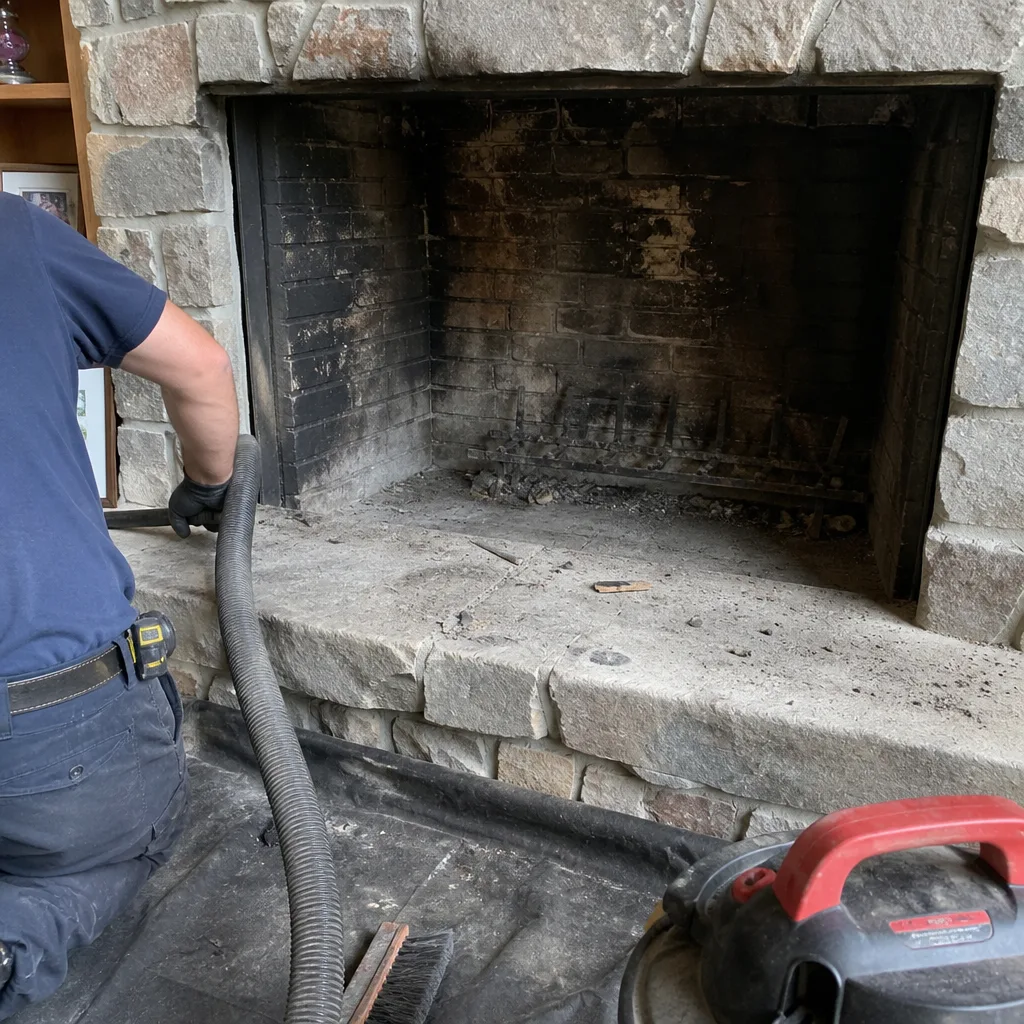 Before
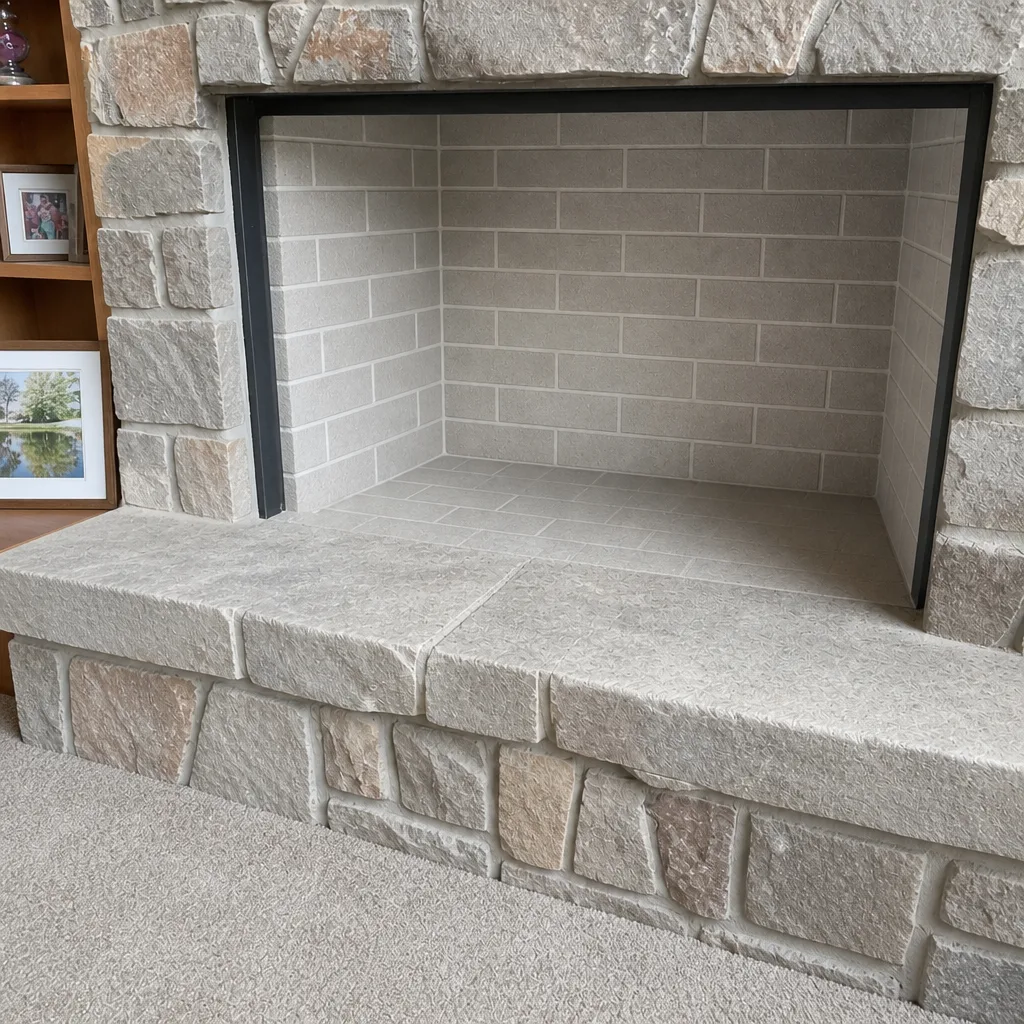 After
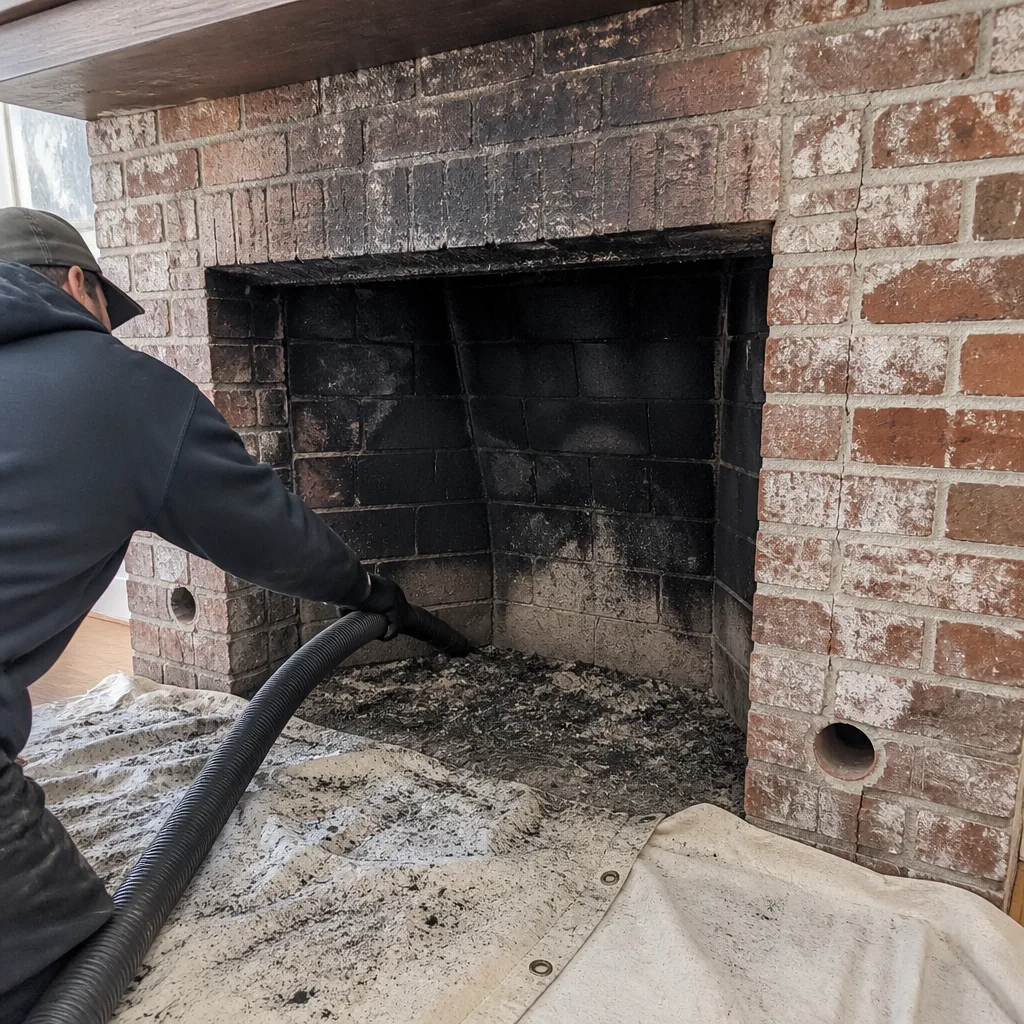 Before
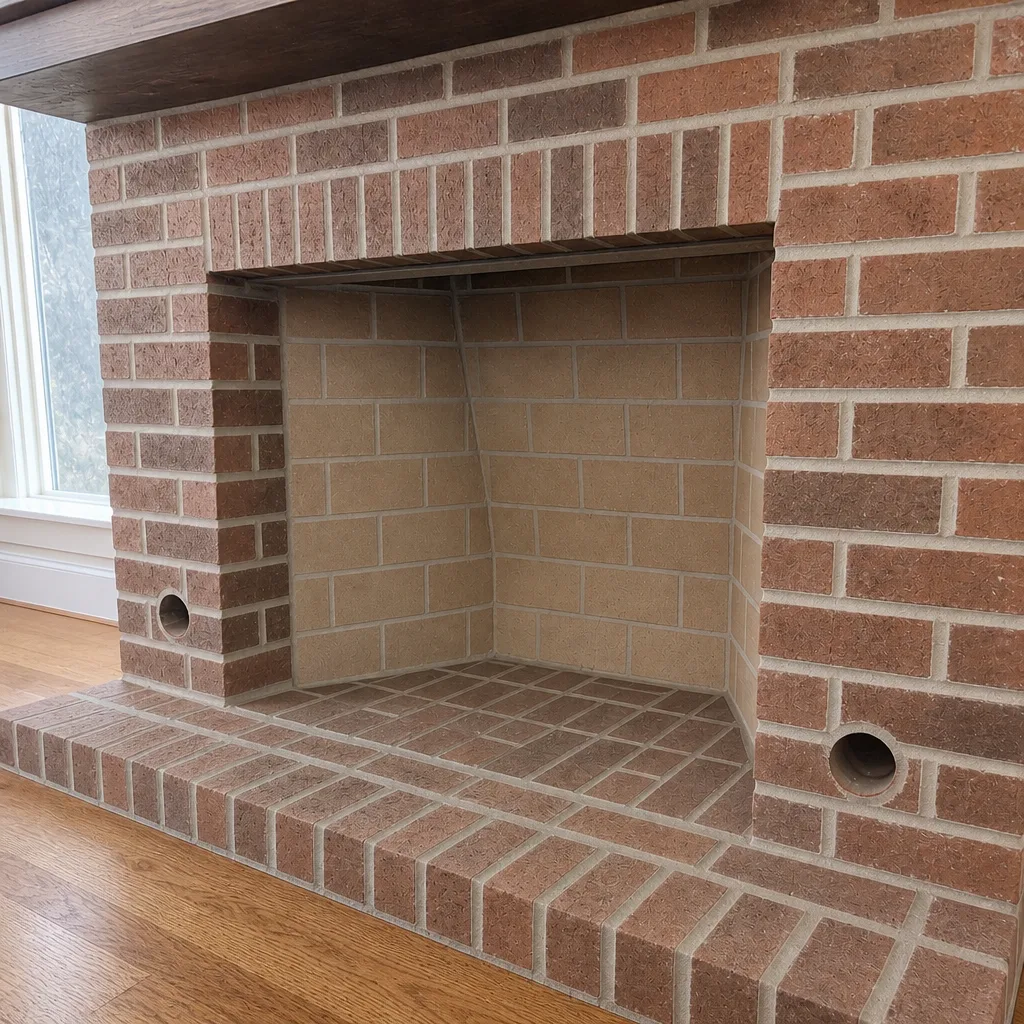 After
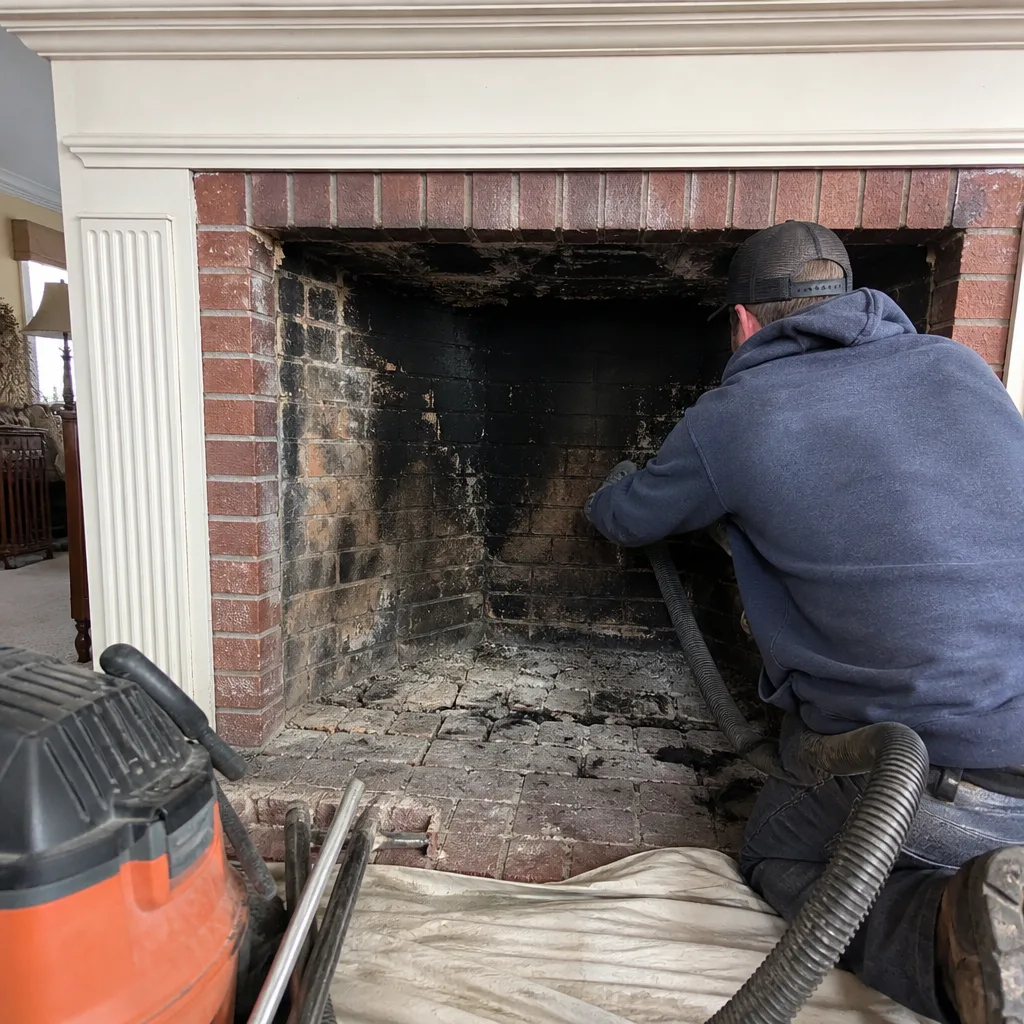 Before
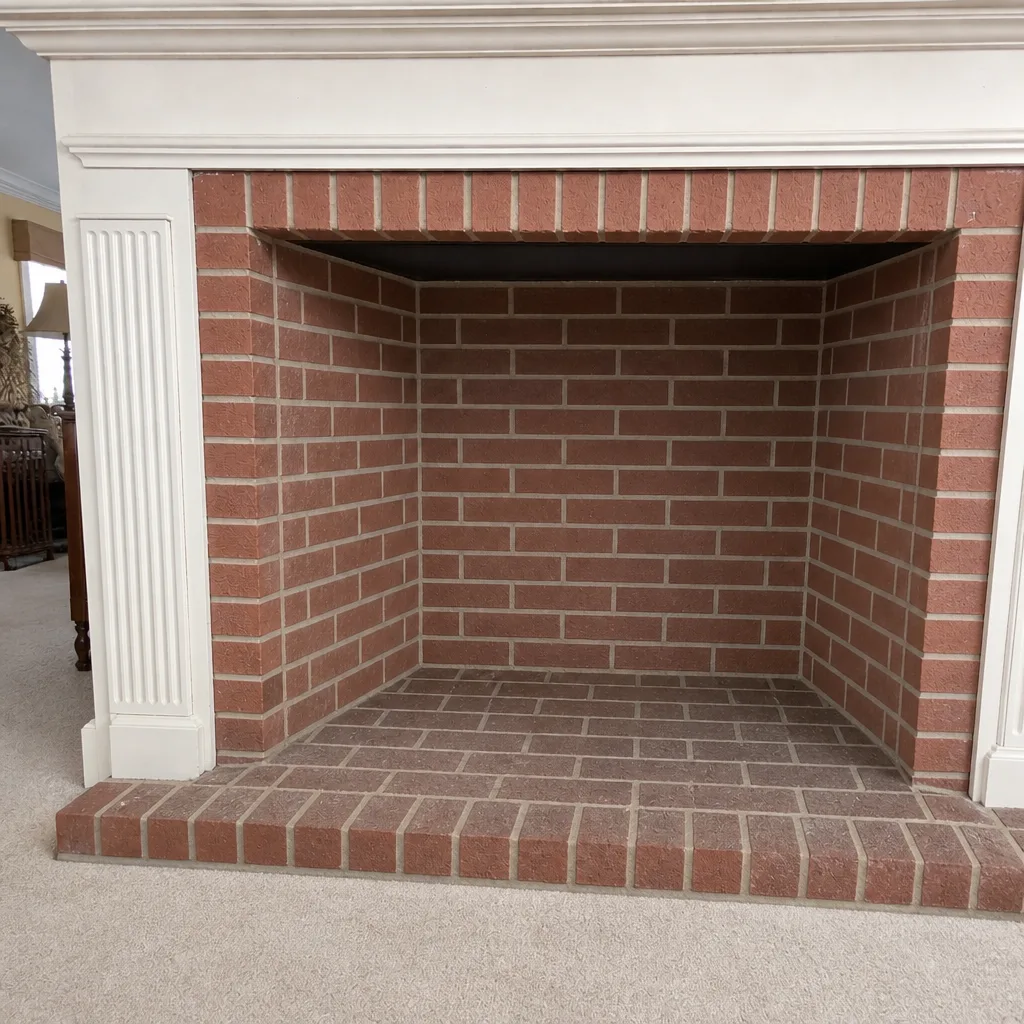 After
When to Call a Professional
Some chimney work is routine and scheduled. Some is a call you shouldn’t put off. Call a professional if you smell smoke in the house when the fireplace isn’t running, if the fire doesn’t draft and smoke rolls back into the room, if you see cracked or spalling masonry, if the crown is cracked or the cap is loose, or if it’s been more than a year since the last sweep. If you burn wood regularly, an annual inspection is the baseline, and a sweep is due when the creosote layer reaches a meaningful depth. Gas fireplaces need inspection too, because the venting and the appliance’s components can fail silently. A professional inspection with a camera report tells you exactly where you stand, and it’s the honest starting point for any repair. Chimney Sweep Issaquah offers free estimates in Issaquah. Call (855) 550-7279. We answer 24/7. Fast dispatch from 7am to 7pm, Sunday through Friday.
Frequently Asked Questions
Professional-grade brands suited to a wet climate: HeatShield and Gelco for liner and crown work, DuraFlex for flexible relining, and Olympia Chimney, Famco, and Copperfield for caps, crowns, and structural components. The right answer is brand names, not categories. If a contractor can’t name what they install, that’s a signal.
A chimney sweep is priced per job by a written estimate, and the cost depends on the flue’s condition, the appliance type, and the level of buildup. We give you a flat price before booking, and the inspection report comes with photos so you can see what we found. Call (855) 550-7279 for an exact quote. Estimates are free.
Not always. Many chimneys can be resurfaced with HeatShield instead of fully relined, which restores the flue surface without a rebuild. Whether you need a reline or a resurface depends on what the camera shows. We don’t recommend liner work without evidence you can see, and we’ll tell you if a repair can safely wait. Call (855) 550-7279 to book an inspection.
Once a year for a home that burns wood regularly, and more often if you burn heavily or notice buildup. Gas fireplaces should be inspected annually even though they produce less creosote, because venting and appliance components can fail without obvious signs. A routine sweep and inspection is the cheapest way to protect a long-term investment. Call (855) 550-7279 for a free estimate.
Creosote builds up in layers that can ignite, which is how chimney fires start, and a blocked flue can push carbon monoxide back into the house. Those are real risks, not scare tactics, and an annual sweep is the simple way to prevent both. It also catches small cracks and cap failures before they become water damage. Call (855) 550-7279 to schedule a sweep and inspection.
Yes, in this climate. Stainless steel resists the rust that eats through galvanized caps, and a rusted cap lets water straight down the flue. The added cost on a single cap is small next to the water damage a failed cap can cause. Ask for stainless and ask for the brand. Call (855) 550-7279 for an estimate on a cap or crown repair.
The Bottom Line
The brands behind your chimney work are not industry trivia. They’re the difference between a repair that holds for years and one you’ll be paying for twice. In Issaquah’s wet climate, professional-grade materials in liner, cap, crown, and sealant categories are worth the modest added cost because they fail less often. Ask your contractor what brands they install, ask why, and ask to see the inspection photos. We work with a curated roster of professional-grade names, we inspect before we repair, and we tell you when a job can wait. That’s what materials literacy looks like in practice, and it’s how your flue gets fully serviced. Call (855) 550-7279 for a free estimate on cleaning, inspection, fireplace repair, or cap and crown work. We answer 24/7. Fast dispatch from 7am to 7pm, Sunday through Friday.
Written by the team at Chimney Sweep Issaquah.