
Last updated November 25, 2026
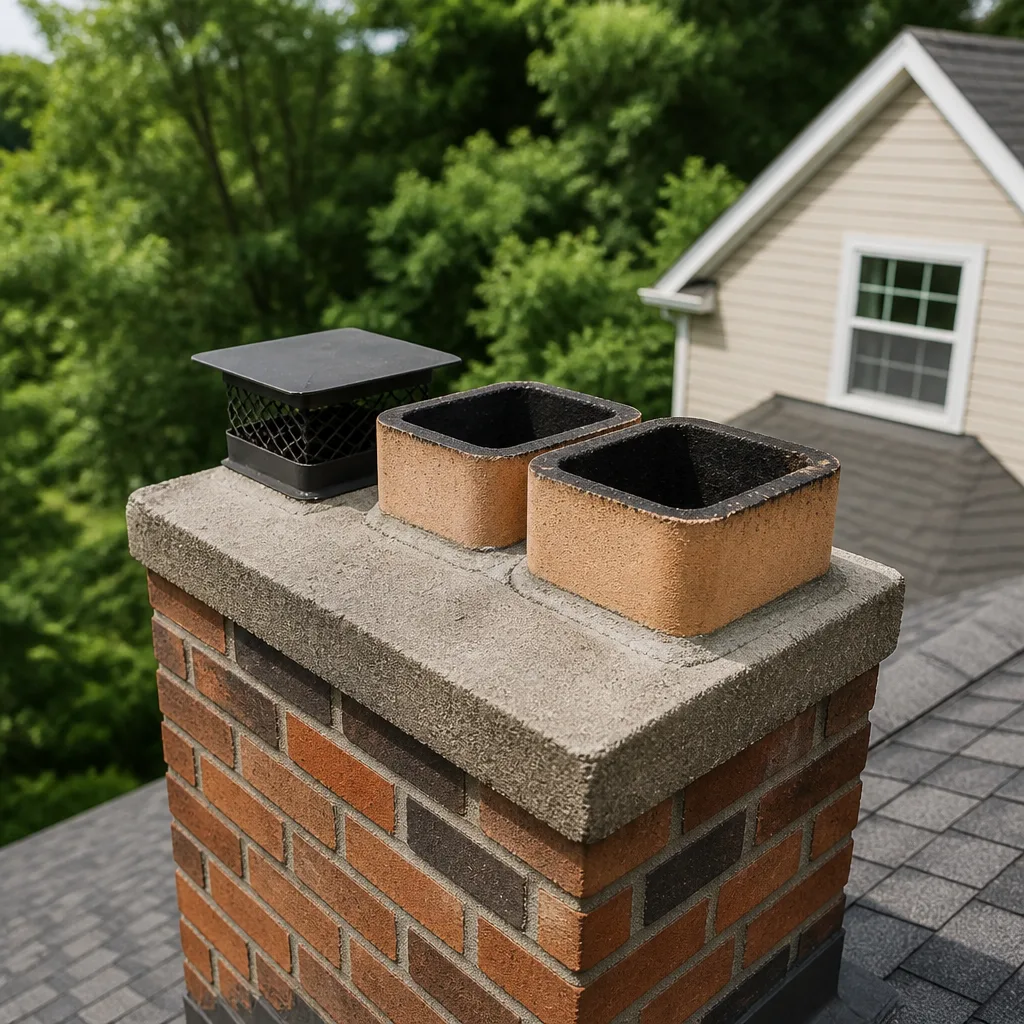 Sweep & inspection
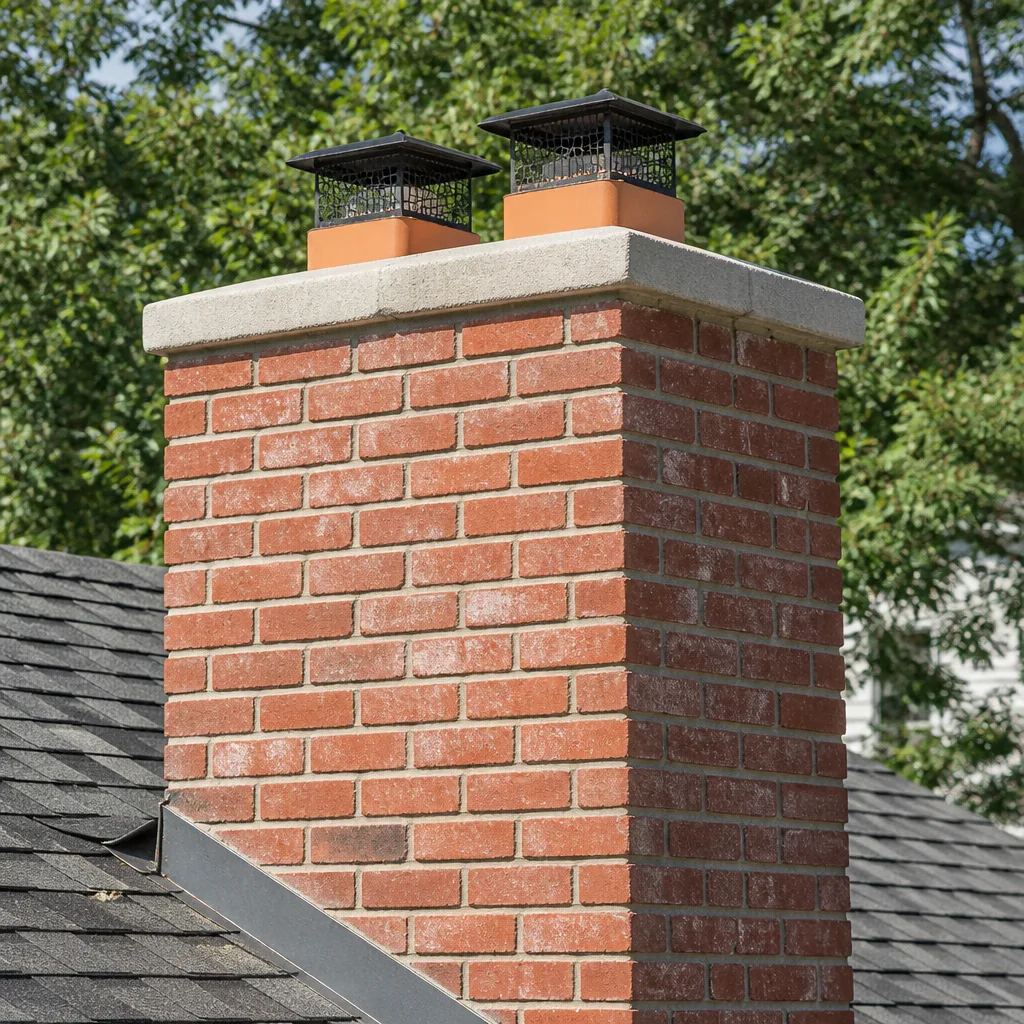 Caps & crowns
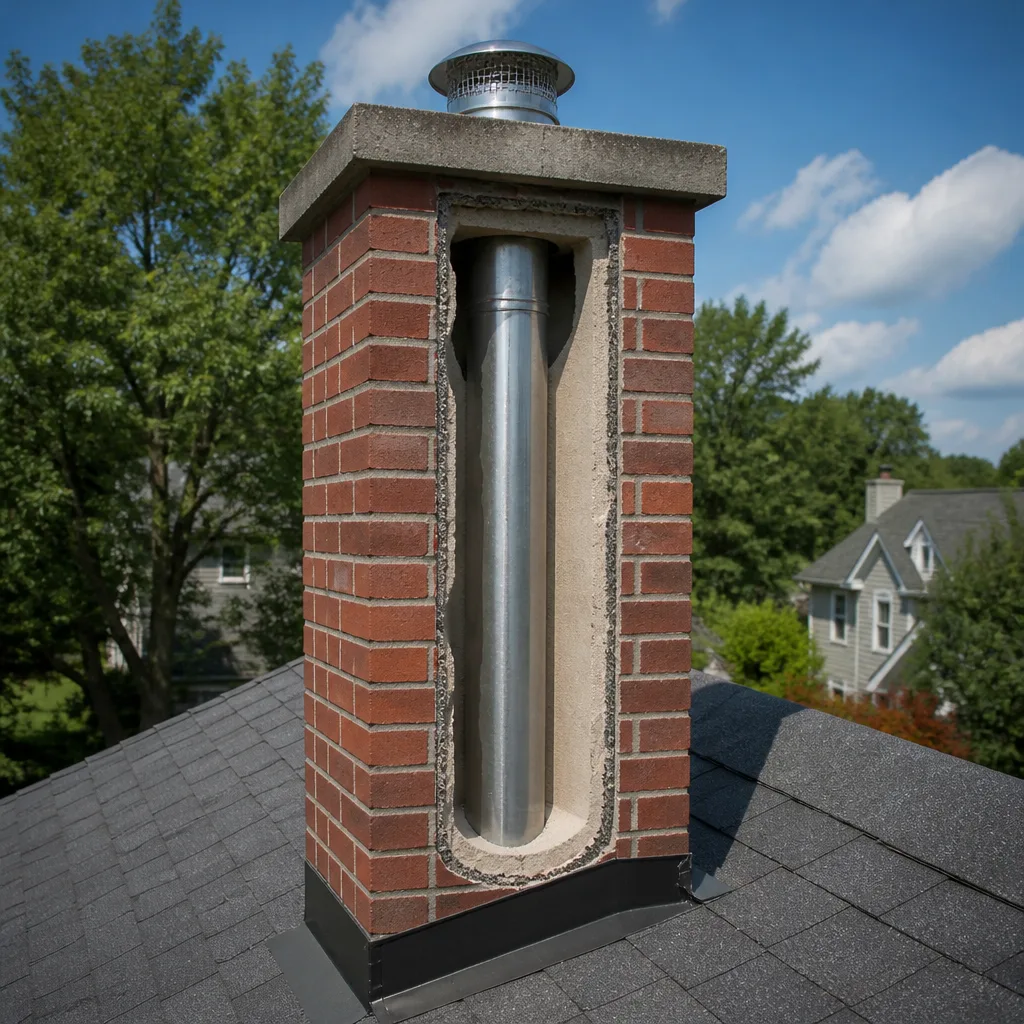 Flue relining
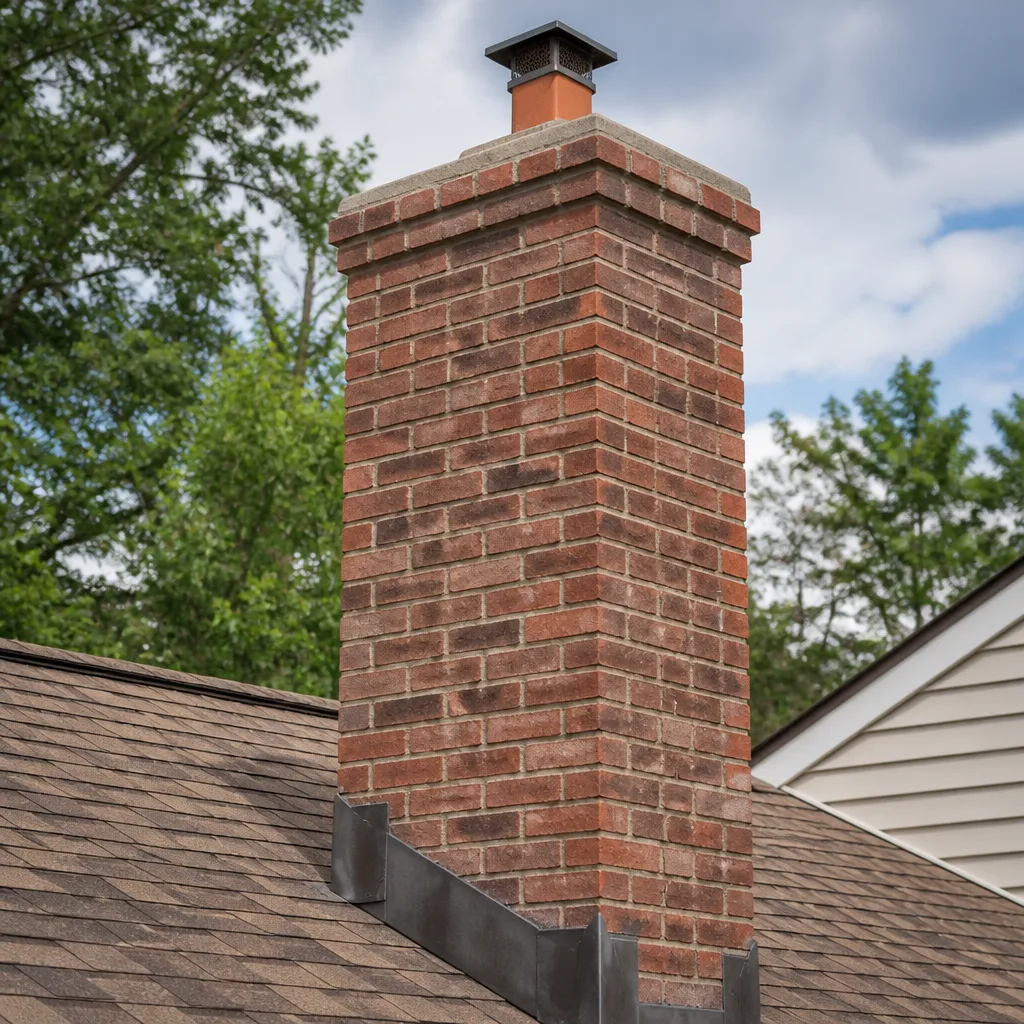 Masonry repair
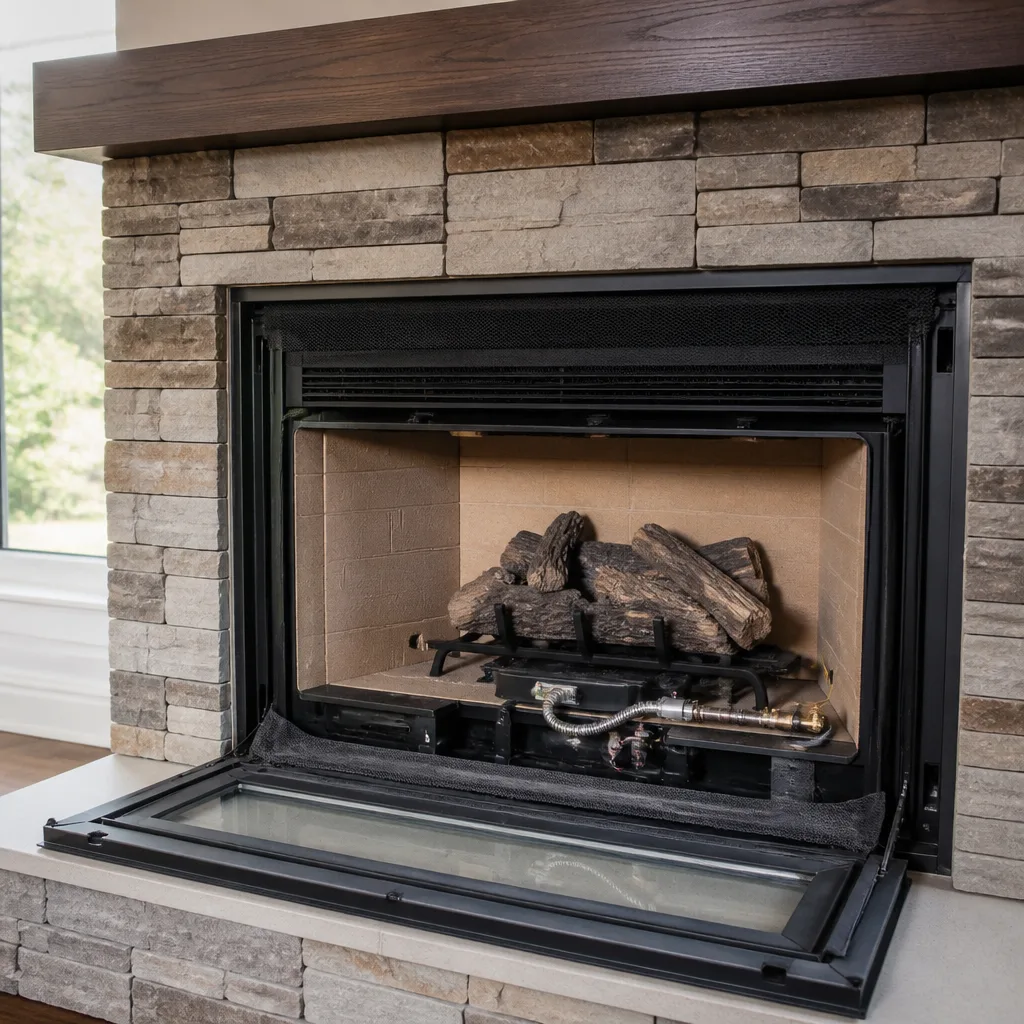 Gas fireplace service
Level 1 sweep and inspection to the NFPA 211 annual standard - flue, crown, cap, and flashing checked and photographed
Chimney sweep logs do not sweep chimneys. They loosen some creosote - which then falls where a brush and vacuum still have to collect it.
DIY vs Professional Chimney Cleaning: The Issaquah Homeowner’s Decision Guide
You can rent a flue brush and clean the flue yourself. You can’t rent the ability to recognize stage-2 creosote glaze, evaluate a liner crack under a shop light, or know what a compromised smoke chamber looks like from inside the firebox. That’s the honest dividing line, and most of the homeowners we talk with in Issaquah have never had it drawn for them clearly. This guide maps it out: what a mechanically confident homeowner can safely do, what genuinely requires a trained eye and professional tools, and the hybrid approach that actually makes financial sense for a house here.
Quick Answer
Basic flue brushing, exterior visual checks, and between-season cap inspections are realistic DIY tasks for a careful homeowner. Recognizing creosote stage, judging liner integrity, and evaluating smoke chamber or hidden moisture damage are not, and that diagnostic layer is where professional value lives. For most Issaquah homes with an active fireplace, an annual professional sweep plus your own visual checks between visits is the combination that protects both your home and your wallet.
Styles & brands we work with
- Sweep & inspection
- Caps & crowns
- Flue relining
- Masonry repair
- Gas fireplace service
Table of Contents
- What a Capable Homeowner Can Safely Do
- What Professionals See That DIY Misses
- The Equipment Reality: Rental vs. Ownership
- What the Issaquah Climate and Housing Add to the Equation
- Liability and Insurance When You DIY
- The Hybrid Approach That Makes Sense
- Why Materials Matter: What We Specify and Why
- How a Professional Visit Actually Runs
What a Capable Homeowner Can Safely Do
We’re the last company to talk a competent homeowner out of work they can do well. There’s a real, defined set of tasks where DIY is not reckless and where you genuinely save money. If you’re comfortable on a ladder, own a few basic tools, and take your time, these are within reach.
- Cap inspection. From the ground, use binoculars. From the roof, only if it’s low-slope and safe, check that the cap is intact, securely attached, and free of rust-through or debris buildup. A missing or loose cap is a water-entry problem waiting to happen.
- Exterior mortar and masonry visual check. Look for crumbling mortar joints, spalling brick faces, white efflorescence staining, or visible cracks in the crown. Note what you see; don’t try to fix structural masonry yourself.
- Firebox and damper basics. Confirm the damper opens and closes smoothly, clear ash from the firebox floor, and check that the firebrick faces aren’t loose or deeply cracked. Cleaning ash is not the same as cleaning the flue.
- Light flue brushing with the right hand tools. On a straight, accessible flue, a homeowner with the correct-size poly brush and rods can knock down light soot and stage-1 creosote between professional visits. This is the task most DIY guides focus on, and it’s the easiest to do correctly.
- Record-keeping. Note dates, what you did, and anything that looked off. This log becomes useful for the next professional inspection.
Notice what’s absent from that list: anything that requires reading the inside of the flue or the smoke chamber. That’s the boundary. A homeowner can clean. A homeowner cannot reliably diagnose.
What Professionals See That DIY Misses
This is the core of the argument, so we’ll be specific. The value of a professional visit isn’t the sweeping motion; it’s the classification and judgment that happens before, during, and after the brush goes in. When we inspect a flue in Issaquah, here’s what we’re actually evaluating.
- Creosote stage classification. Stage 1 is flaky soot you can brush away. Stage 2 is a hardened, crusted glaze. Stage 3 is a glazed, tar-like deposit that brushing won’t touch and that requires specialized chemical or rotary methods. A homeowner looking up a flue with a flashlight often can’t distinguish stage 1 from early stage 2, and treating stage 2 as stage 1 leaves the dangerous layer in place.
- Liner integrity. A crack you can’t see is a gap where heat and carbon monoxide can reach combustible structure. Evaluating a clay tile liner or a metal liner for hairline cracks, gaps at the joints, and separation requires a proper light and camera, not a shop light aimed from below.
- Smoke chamber condition. The smoke chamber above the damper is sloped and shaped in ways that trap creosote and hide damage. From inside the firebox, you can see the opening; you cannot see the condition of the chamber walls without the right angle and lighting. Compromised smoke chambers are a common finding and a real fire risk.
- Hidden moisture damage. Water gets in through failed caps, cracked crowns, and deteriorated flashing. The damage it does to the chimney interior and the framing near it is often invisible from the firebox and the roof surface. Our technicians have up to 10 years of experience reading these signs.
- Draft and performance issues. Poor draft, smoke roll-out, and back-puffing have causes that range from flue sizing to negative pressure in the house. Diagnosing them is troubleshooting, not cleaning.
To be clear: a professional sweep isn’t the only route to a clean flue. It’s the only route to a known-condition flue. If you clean it yourself, you know it’s cleaner. You don’t know whether it’s sound.
The Equipment Reality: Rental vs. Ownership
The economics of DIY cleaning are more complicated than the rental price tag suggests. A basic brush-and-rod setup is cheap. But proper rotary cleaning systems, which is what you actually need for anything beyond light soot, cost meaningfully more to rent or buy, and they’re not always available locally. Here’s the honest accounting.
- Hand brush and rods: Low cost, fine for a straight flue and light soot. Limited reach, limited effectiveness on anything glazed.
- Rotary cleaning system: Higher rental or purchase cost, plus the need for the right head for your flue type. Effective on tougher deposits, but the learning curve is real and misuse can damage a liner.
- Inspection camera and lighting: The tool that tells you whether the job is done and whether there’s a problem is the one most homeowners don’t have. A camera that actually inspects the flue is a specialty tool, not a hardware-store purchase.
- Protective equipment and dust control: A professional setup keeps soot out of your living space. DIY dust control is doable but rarely tidy.
- Time and risk: Roof access, ladder safety, and the likelihood of a second attempt when the first pass doesn’t reach the problem all factor in.
When you add it up, the marginal savings of DIY over a professional visit shrink considerably for anyone who buys even a modest rotary setup. And the savings never include the diagnostic layer, because that’s the part DIY doesn’t provide. If your goal is strictly a cleaner flue between professional visits, DIY wins on cost. If your goal is a known-condition, safe chimney, the math changes.
What the Issaquah Climate and Housing Add to the Equation
Issaquah sits on the western slope of the Cascades, and our weather shapes what a chimney here has to endure. That matters for both the DIY vs. professional decision and the timing of your annual cleaning.
Wet, cool winters and warm, dry summers mean a lot of moisture cycling through exterior masonry and a firebox that heats up and cools down across the season. Masonry absorbs moisture; freeze-thaw cycling works on mortar joints and brick faces over time. That’s an argument for regular exterior visual checks, which a homeowner can do, and for periodic professional assessment of interior conditions, which they can’t.
Our housing stock adds nuance. Issaquah has a wide range of older and newer construction, from established neighborhoods to newer builds in the surrounding hills. Older chimneys may have clay tile liners with original mortar; newer builds may have metal liners or factory-built fireplaces with their own inspection needs. Aging around the Klahanie and Issaquah Highlands areas and nearer the historic downtown core all present different chimney profiles. The right cleaning approach and the right inspection interval depend on which one you have. A professional visit is where that gets sorted out.
And the seasonal rhythm: most Issaquah homeowners burn most heavily from late fall through early spring. The best time to book a cleaning is before that season starts, when you’re not competing for attention and can act on any findings before the first fire of the year.
Liability and Insurance When You DIY
This is the section most DIY guides skip, and it matters. Chimney work involves fire risk, and in Washington State, how the work is done and by whom can affect what your homeowner’s insurance will cover if something goes wrong.
Homeowner’s insurance generally covers accidental fire losses, but insurers can and do ask how a chimney was maintained and who performed the work. A documented professional cleaning and inspection record is a straightforward defense that the chimney was maintained. A self-cleaned, never-inspected chimney where a fire started poses a harder conversation, because the diagnostic layer was never performed.
There’s also a structural dimension. If a DIY cleaning attempt damages a liner or a flue component, and that damage later contributes to a problem, the repair is on you, and an insurer may treat self-inflicted damage differently than a sudden accidental event. Nobody we work with wants that outcome, and it’s avoidable.
We’re not insurance advisors, and your policy is your policy. But we can say this plainly: the homes where the record is cleanest are the ones where the owner kept the annual professional visit and did the light maintenance in between. If you’re ever unsure how your coverage treats chimney work, call your insurer and ask directly. It’s a five-minute call that clarifies a lot.
The Hybrid Approach That Makes Sense
Here’s the recommendation we actually give Issaquah homeowners, and it’s neither pure DIY nor “leave everything to us.” The hybrid model puts the doable tasks in your hands and keeps the diagnostic work with a professional.
- Book a professional sweep and inspection once a year. Before burning season is ideal. This is your baseline: a clean flue and a documented condition report, so you know what you have.
- Do your own visual checks between visits. Cap condition, exterior mortar, damper operation, firebox ash. Note anything that looks different from your last check.
- Brush lightly between professional visits if you’re comfortable doing so. A straight flue and light soot are within reach of a careful homeowner. Don’t attempt deep deposits or glazed creosote yourself.
- Call when something changes. Smoke roll-out, a new smell, a cracked firebox brick, a damper that sticks, a cap that’s missing. These are the signals that the diagnostic layer needs to come back into play.
- Track it. Keep the professional records and your own notes together. When you sell, or when you file a claim, the record is worth having.
This is the combination that makes financial sense. You’re not paying for tasks you can do, and you’re not skipping the tasks that determine whether your chimney is safe. If you want to start with the assessment rather than committing to repairs, you can book a Chimney Sweep Issaquah inspection as a standalone service and get an honest condition report before anything else is recommended.
Why Materials Matter: What We Specify and Why
A cleaning is a service; a repair is a materials decision. When our inspection turns up something that needs fixing, the brands we specify are the reason the repair holds. We work with DuraFlex, HeatShield, Gelco, Olympia Chimney, Famco, and Copperfield, and each earns its place.
We specify DuraFlex flexible liner systems for relining because a reline is only as good as the liner’s flexibility and the quality of its connection at both ends. We’re certified to apply HeatShield chimney liner resurfacing, which can extend flue life without a full liner replacement where the liner condition allows it. These are the choices most general contractors can’t offer, and they’re the difference between a repair built to last and one built to come back.
We use Olympia Chimney and Gelco components for the reasons professional chimney technicians nationwide specify them. We stock Famco and Copperfield components because a proper cap and crown job depends on getting the right part the first time, not substituting a hardware-store approximation. Your flue, fully serviced, means the cleaning, the inspection, the repair, and the cap and crown all get handled by one company with a consistent standard. No handoff to a second contractor who wasn’t there for the inspection.
We’d rather show you the material than ask you to take a claim on faith. If it’s not the right part for your chimney, we’ll tell you.
How a Professional Visit Actually Runs
If you’ve never had a professional sweep, here’s what to expect. The process is straightforward, and the value comes from the order in which things happen: inspect before you repair, always.
- Intake. We ask about your fireplace, your burning habits, and any issues you’ve noticed. What you’ve observed is diagnostic information.
- Inspection first. Before any cleaning, we assess the flue, liner, smoke chamber, firebox, cap, and crown. Camera inspection and a photo report mean you see what we see.
- Cleaning. With the condition known, we clean appropriately: standard brushing, rotary cleaning, or a targeted method for glazed deposits.
- Findings. You get a plain-language summary of what’s sound and what needs attention, with the evidence to back it up. Nothing is recommended without camera evidence you can review yourself.
- Options, if needed. If repairs are needed, you get the options and the materials we’d use, with the written estimate setting the final price. Nothing gets added on.
- Documentation. Your report goes into the record, so the next visit has a baseline.
If nothing needs doing, we say so, and you go into the season with a clean flue and a condition report. That’s the whole point of a diagnostic-first visit.
Common Mistakes to Avoid
- Treating a DIY brush as an inspection. A clean flue tells you nothing about liner integrity or smoke chamber condition. Brushing is a maintenance task, not a diagnosis.
- Misidentifying creosote stage. Stage 2 glaze looks like a hard coating and needs the right method to remove; a homeowner who assumes it’s stage 1 soot and brushes over it leaves the risk in place. If you’re not sure, it’s stage 2 until a professional says otherwise.
- Trying to fix masonry or crown cracks yourself. These are structural and water-management problems. A patch that looks adequate from the ground isn’t a repair.
- Skipping the cap or ignoring a missing one. A missing cap in our wet Issaquah climate is an open door for water. It’s one of the most preventable causes of chimney damage we see.
- Cleaning after burning season and calling it done. Cleaning before the season starts means you’re going into it with a known-condition flue, which is when it matters most.
- Assuming a newer home doesn’t need inspection. Factory-built fireplaces and metal liners have their own inspection needs. The age of the house doesn’t skip the process.
- Ignoring a smell or smoke roll-out. A change in how the fireplace behaves is a signal. It’s usually the cheapest moment to look at an issue.
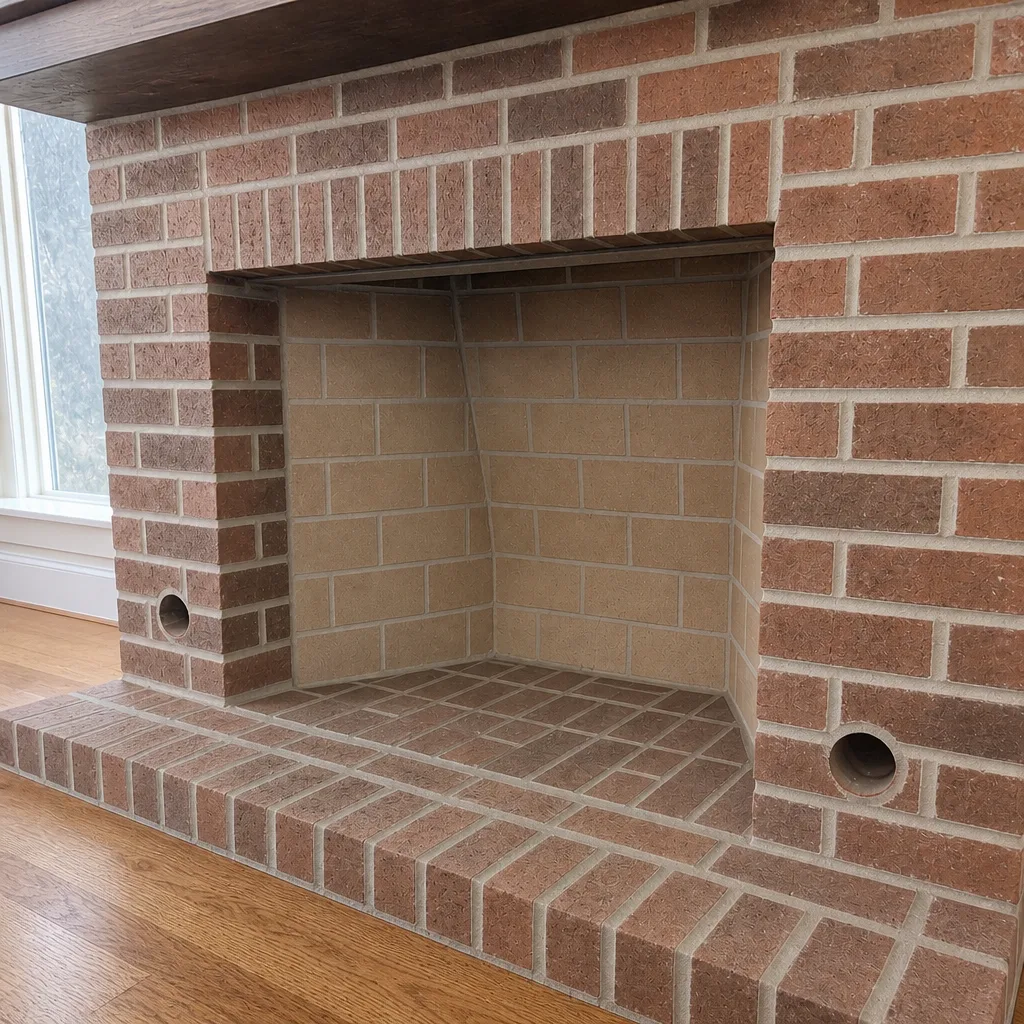
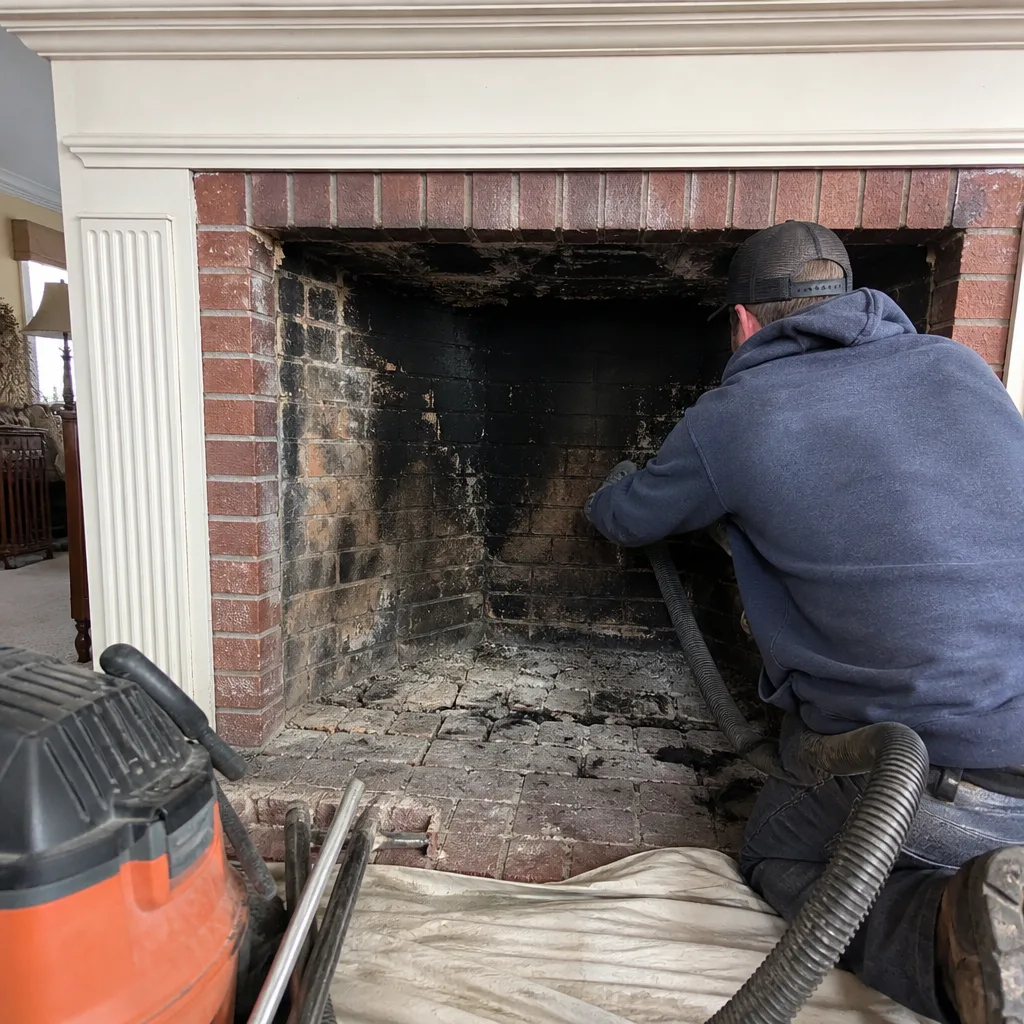
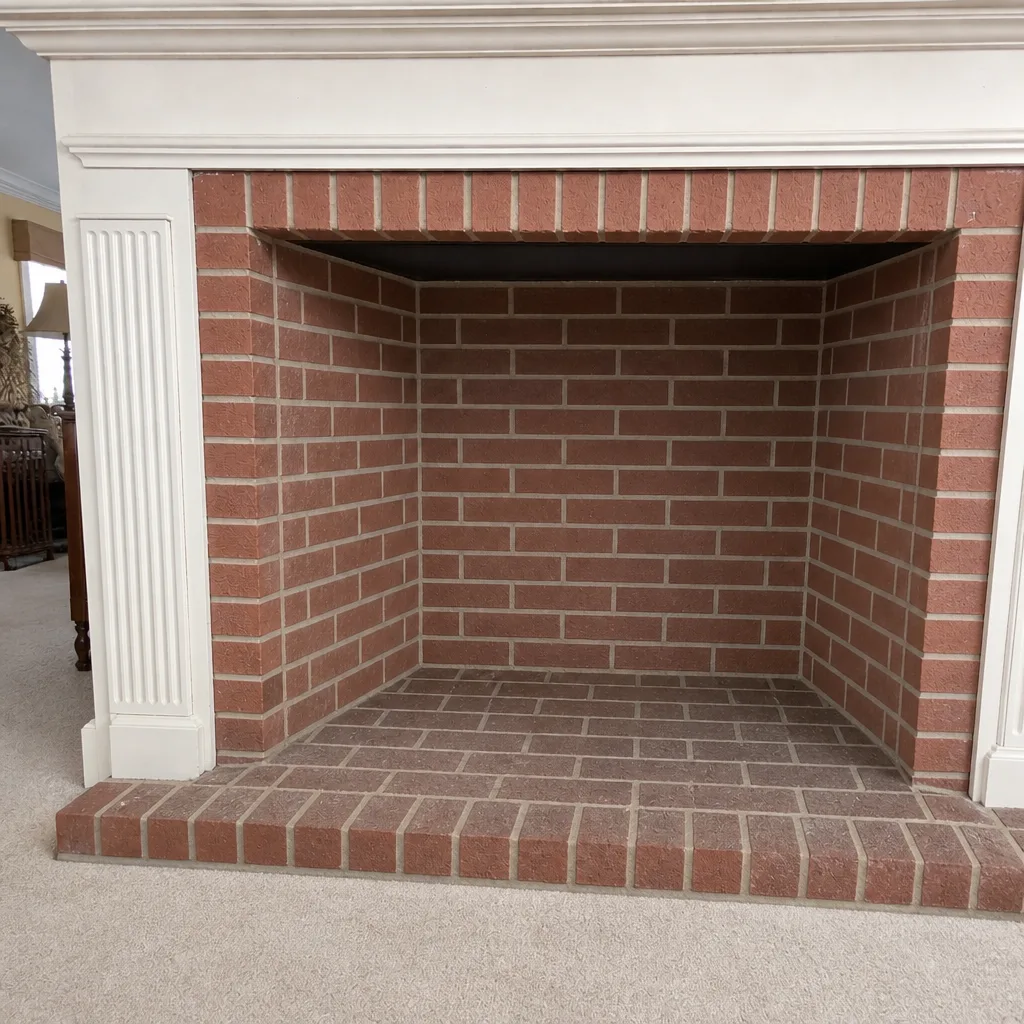
See the difference
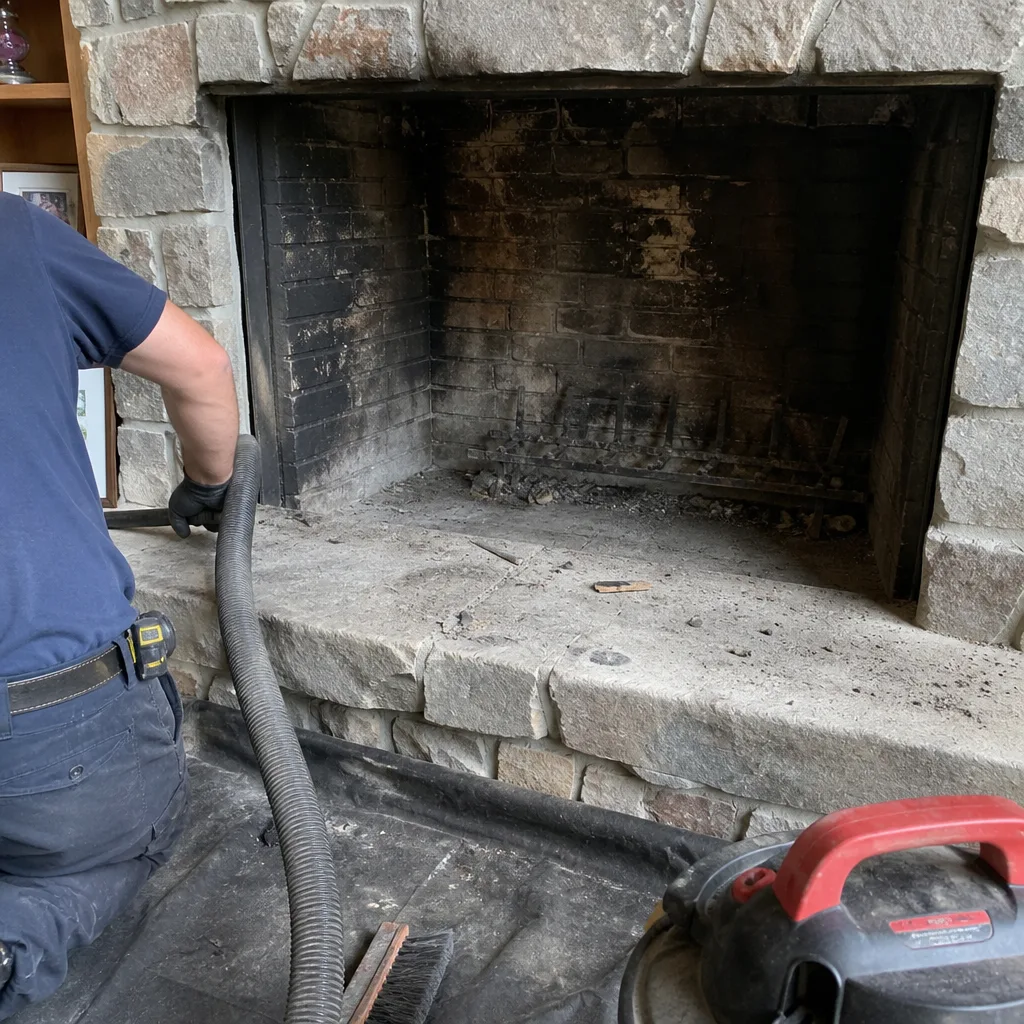 Before
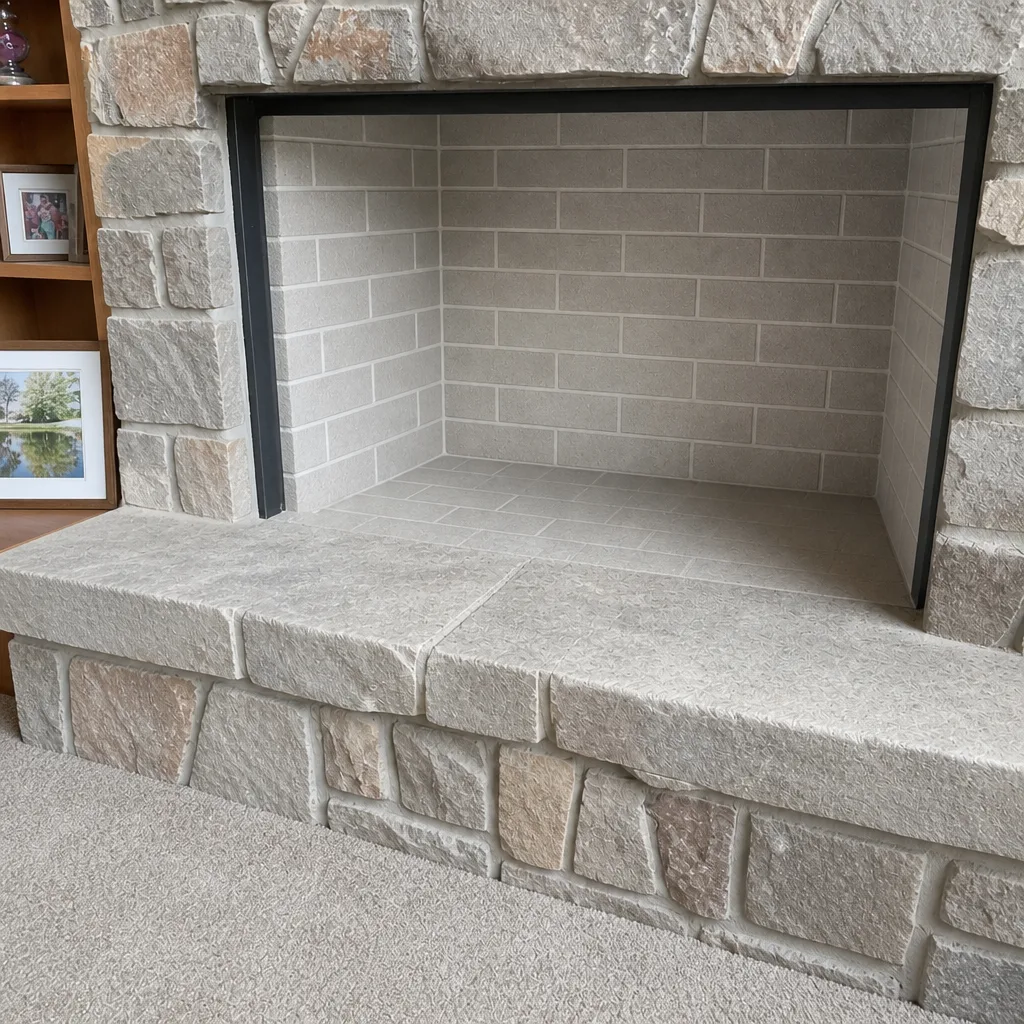 After
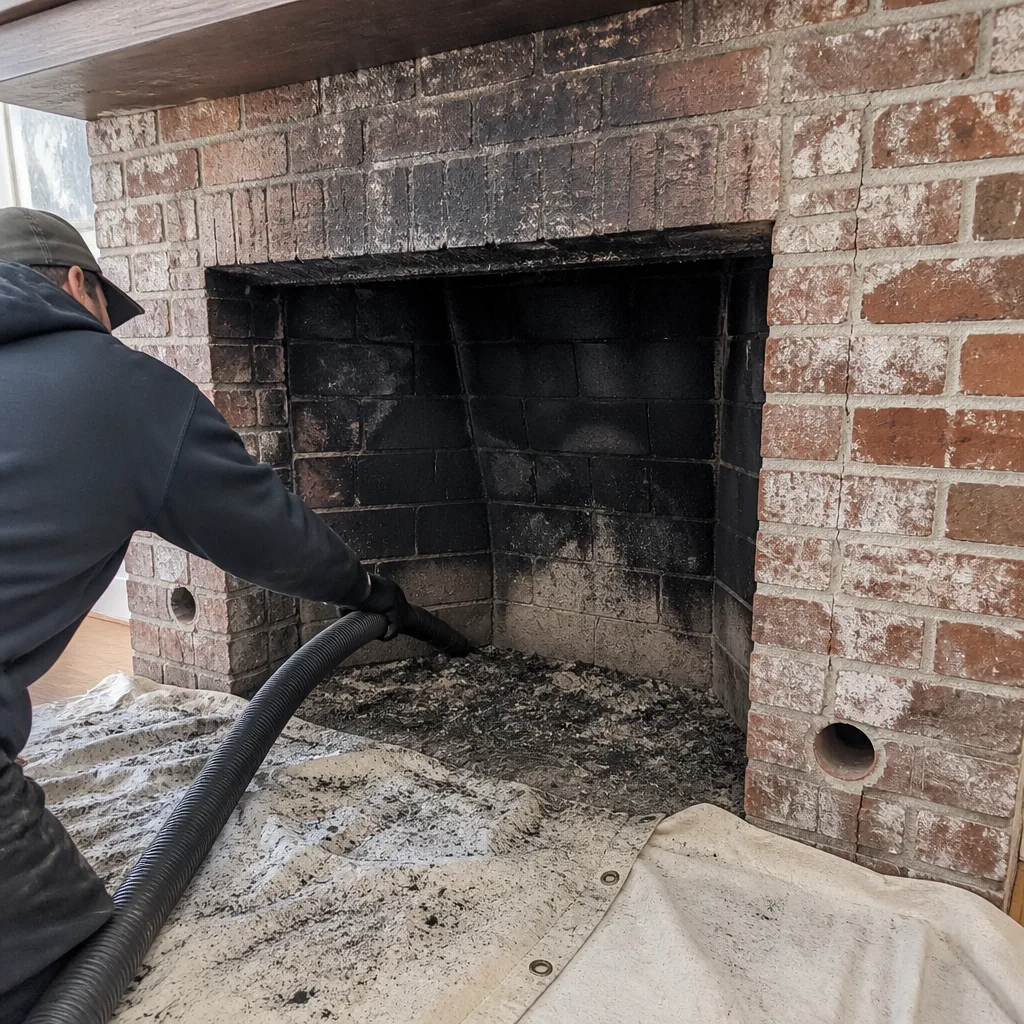 Before
 After
 Before
 After
When to Call a Professional
Call a professional if you’ve never had your chimney inspected, if you’re unsure when it was last cleaned, if you smell a strong odor from the fireplace or notice smoke rolling out into the room, if you’ve spotted a cracked firebox brick, damaged cap, or deteriorated crown, or if your flue has glazed creosote you can’t confidently identify. Call if you’re a new homeowner and the chimney’s history is unknown to you. Call if something changed and you can’t explain why. And call if you’re simply not comfortable doing the between-visit checks yourself; that’s a completely reasonable reason to have the annual visit done and documented. Chimney Sweep Issaquah offers free estimates in Issaquah. Call (855) 550-7279.
Frequently Asked Questions
Pricing for a chimney sweep in Issaquah is set per job by a written estimate, and the estimate is free. The price depends on what your chimney needs: a straightforward cleaning on a maintained flue is a different job from one that needs rotary cleaning for glazed deposits or a repair after inspection. The written estimate sets the final price, so there are no surprises. Call (855) 550-7279 for an exact quote; estimates are free.
You only need a new liner if the inspection shows genuine liner damage: cracked or separated joints in a clay tile liner, or a compromised metal liner. That’s the whole reason we inspect before repairing and use camera inspection with a photo report, so you see the condition for yourself. If the liner can be restored with HeatShield resurfacing rather than replaced, we’ll tell you. Nothing is recommended without evidence you can review. Call (855) 550-7279 for an exact quote; estimates are free.
Annual inspection and cleaning is the standard guideline for a home with an active fireplace, and it’s what we recommend for Issaquah homes with a working wood-burning or gas fireplace. Homes that burn heavily, or that burn unseasoned wood, may need attention more often. The yearly visit is also your baseline record, which matters for insurance and resale. Call (855) 550-7279 for an exact quote; estimates are free.
Creosote builds up, and so does the fire risk it carries. A neglected flue can also hide a liner crack, a compromised smoke chamber, or water damage from a failed cap, none of which announces itself until it’s a bigger repair. Skipping the visit doesn’t cause an immediate problem; it removes the diagnostic layer that would catch one early. Call (855) 550-7279 for an exact quote; estimates are free.
You can clean a straight flue with light soot yourself, and we won’t tell you otherwise. What you can’t do is reliably classify creosote stage, judge liner integrity, or evaluate smoke chamber condition without the right tools and training. If you clean it yourself, get it inspected professionally so you know what condition it’s in. That’s the hybrid approach, and it’s what makes financial sense. Call (855) 550-7279 for an exact quote; estimates are free.
No. The inspection is diagnostic, and we tell you plainly when work can safely wait. If your flue is sound, you get a clean chimney and a condition report and nothing else. Nothing is recommended without camera evidence you can see for yourself, and the written estimate sets the final price before any work proceeds. Call (855) 550-7279 for an exact quote; estimates are free.
The Bottom Line
DIY chimney cleaning is workable for basic flue brushing, exterior checks, and between-season maintenance, but it stops short of the diagnostic layer that determines whether your chimney is safe. The hybrid model, an annual professional sweep and inspection plus your own careful checks in between, is the combination that protects your home and your budget in Issaquah. Materials matter when repairs come up, which is why we specify brands like DuraFlex, HeatShield, Gelco, and Olympia Chimney. Inspect before you repair, and keep the record. Our technicians have up to 10 years of experience and can work with your insurer if a claim is ever needed.
Ready to get your flue on the record before the season starts? Call Chimney Sweep Issaquah at (855) 550-7279 for a free estimate on a chimney sweep, or to book a standalone inspection. We answer 24/7. Fast dispatch from 7am to 7pm, Sunday through Friday. If inspection turns up something that needs attention, we can handle a chimney repair or fireplace repair without a handoff to another contractor. One company, start to finish.
Written by the team at Chimney Sweep Issaquah.