
Last updated November 25, 2026
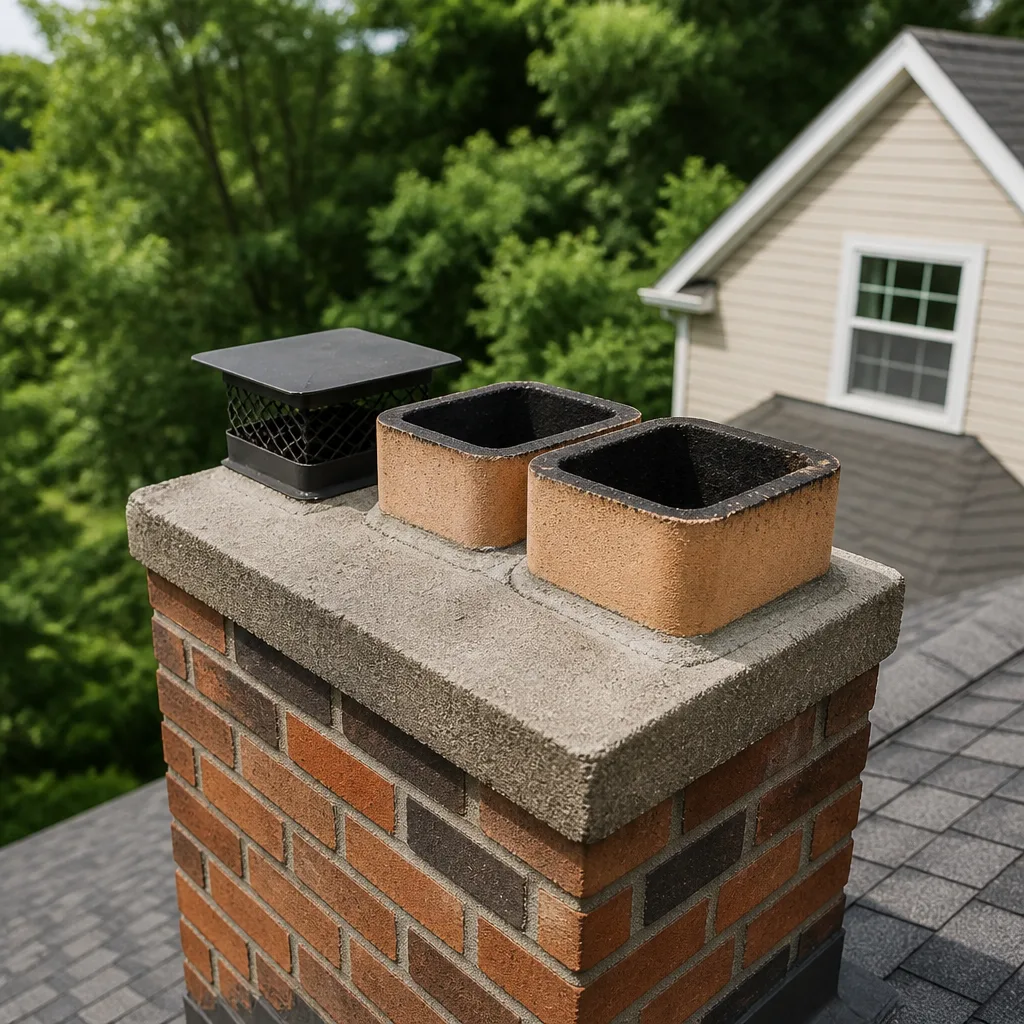 Sweep & inspection
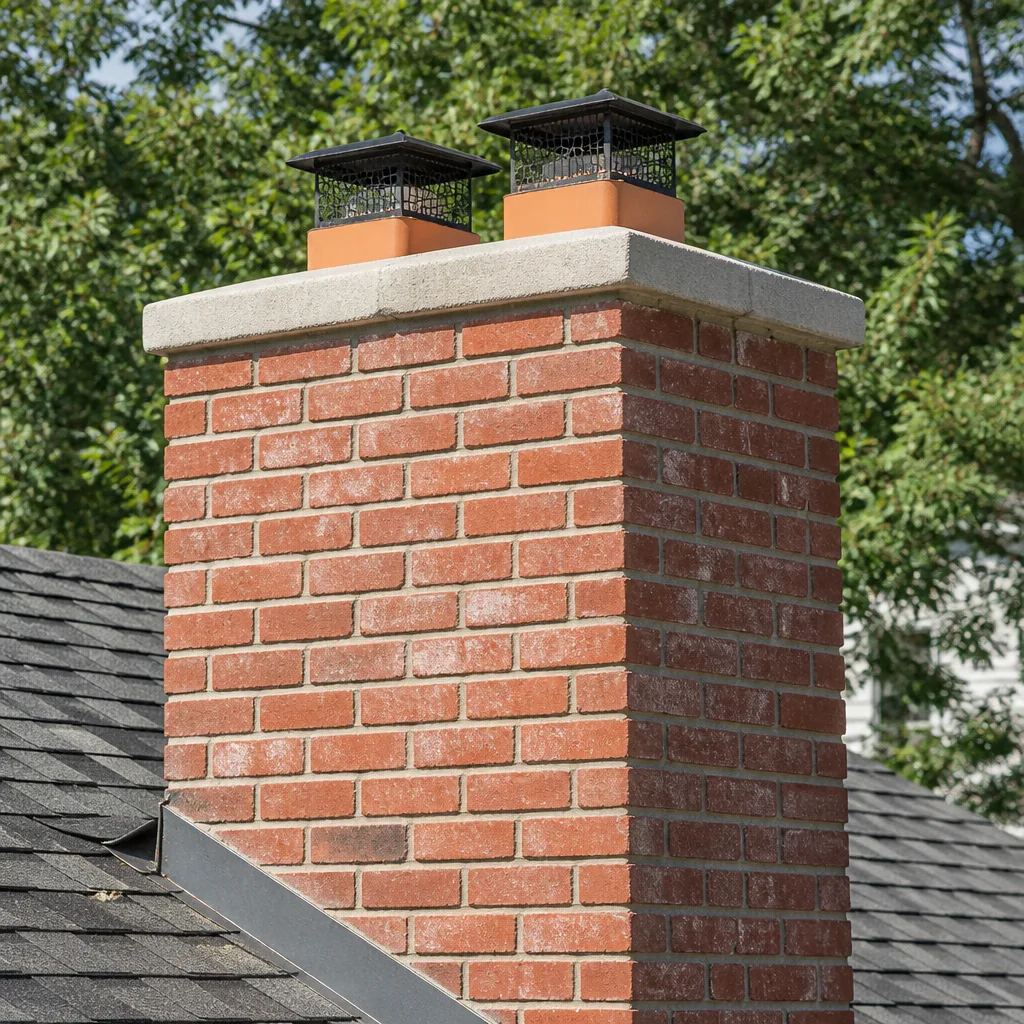 Caps & crowns
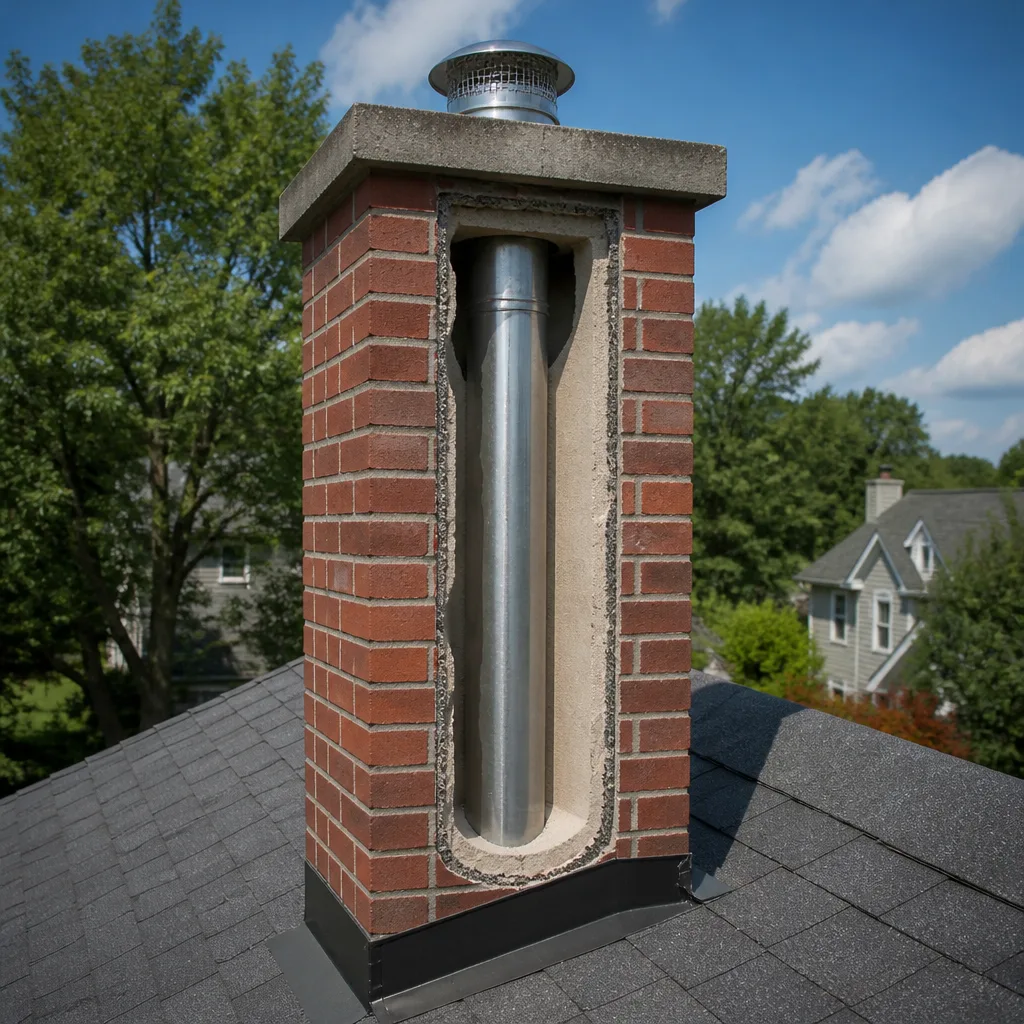 Flue relining
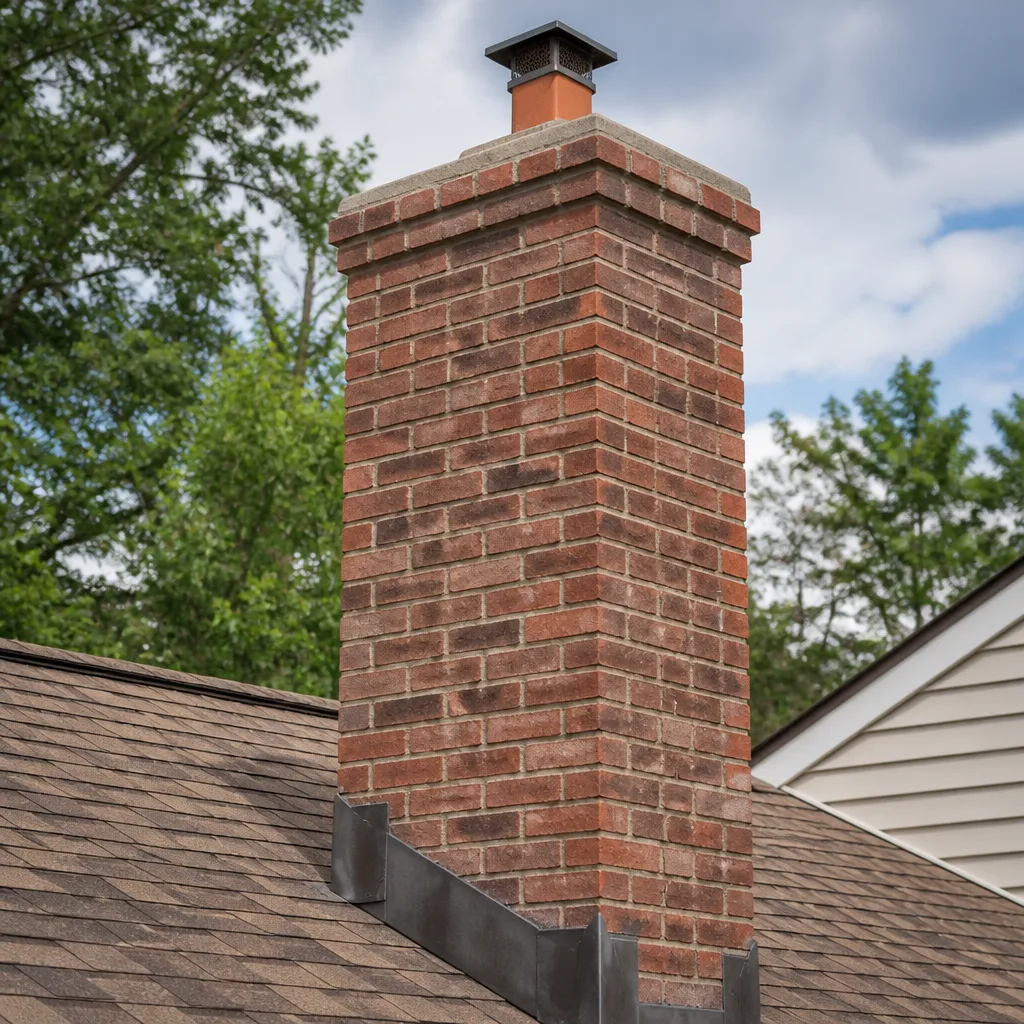 Masonry repair
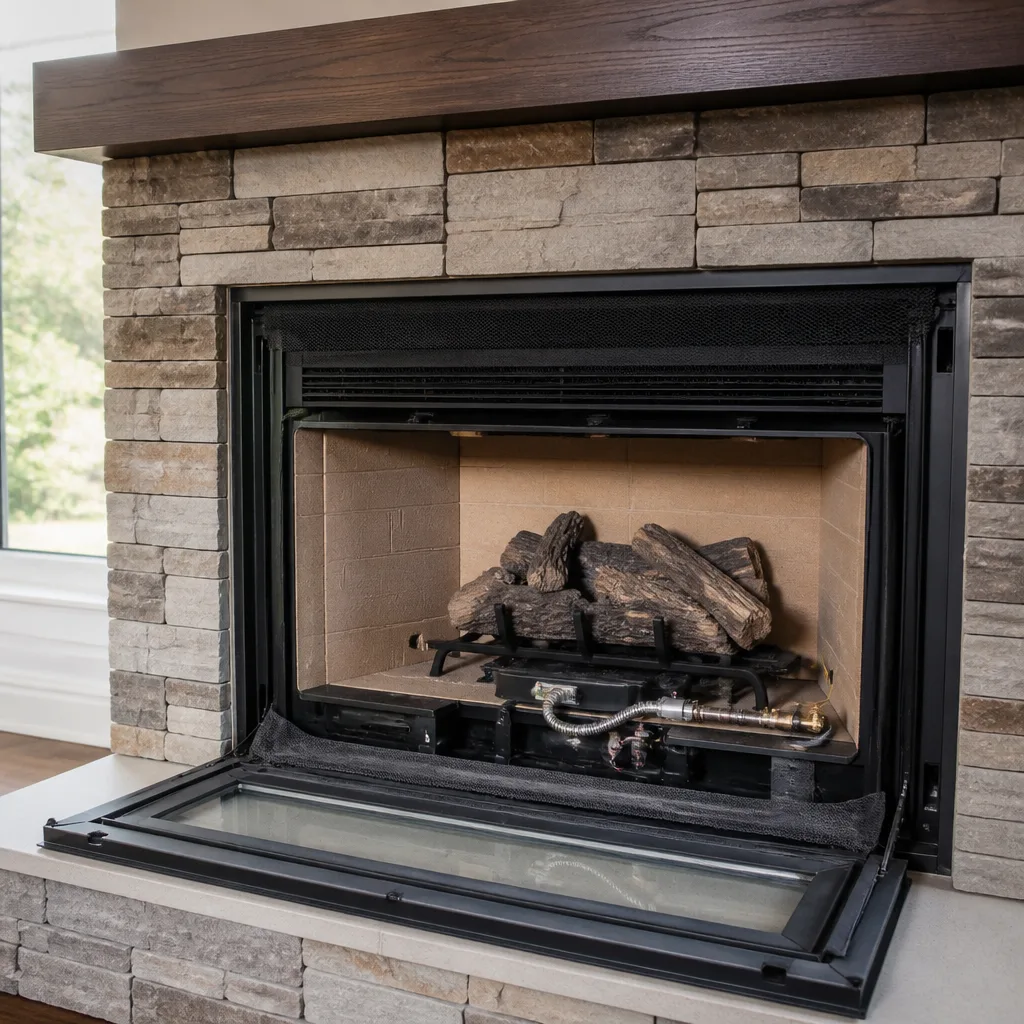 Gas fireplace service
Level 1 sweep and inspection to the NFPA 211 annual standard - flue, crown, cap, and flashing checked and photographed
Chimney sweep logs do not sweep chimneys. They loosen some creosote - which then falls where a brush and vacuum still have to collect it.
The Complete Guide to Chimney Cleaning in Issaquah
Most chimney fires don’t start because a homeowner skipped a cleaning. They start because the cleaning was done without accounting for the type of deposit left by that specific fireplace and fuel combination. A flue that looks clean from the damper can still hold glazed creosote on the smoke chamber walls, and a brush alone won’t touch it. In Issaquah, where wet winters and a mix of older homes and newer construction meet, the deposit profile changes from house to house more than most cleaning checklists admit. This guide maps the cleaning process to what actually happens in Issaquah chimneys, so you understand what a proper sweep does, what the inspection levels mean, and how to read a report without guessing which findings are urgent.
Quick Answer
Chimney cleaning in Issaquah means removing creosote, soot, and blockages from the flue and firebox, then inspecting the full venting system for damage, with the work matched to the fuel you burn and the moisture conditions your chimney actually sees. A typical cleaning includes a Level 1 or Level 2 inspection depending on what’s found, and it should always come with a report you can read and understand. How often depends on use, but an annual inspection is the baseline most chimney professionals recommend.
Styles & brands we work with
- Sweep & inspection
- Caps & crowns
- Flue relining
- Masonry repair
- Gas fireplace service
Table of Contents
- Why Chimney Cleaning in Issaquah Isn’t a Generic Service
- How Pacific Northwest Humidity Changes Creosote Formation
- Wood Species Common in Western Washington and Their Residue
- Level 1, Level 2, and Level 3 Inspections Explained
- What a Materials-Literate Sweep Actually Checks
- How to Read a Cleaning Report
- How Often Should You Schedule a Cleaning in Issaquah?
- What Chimney Cleaning Costs in Issaquah
Why Chimney Cleaning in Issaquah Isn’t a Generic Service
Issaquah sits in a climate that treats chimneys differently than most of the country. The Puget Sound region sees long stretches of cool, damp weather, and that moisture doesn’t stay outside. It works its way into masonry, into the smoke chamber, and into any wood you bring in from a stack that’s been sitting in the rain. A cleaning routine built for a dry climate misses this entirely.
Housing stock matters too. Issaquah has a mix of older homes with original masonry fireplaces and newer construction with factory-built and gas units, and each behaves differently. Older masonry holds moisture in the brick and mortar. Newer inserts and gas fireplaces vent differently and produce different deposits. A sweep who treats every flue the same way is guessing.
Fuel use varies across Issaquah as well. Some homes burn wood as primary heat through the winter. Others light a fire a few evenings a month. A gas fireplace may see almost no solid fuel but still needs its venting checked. The cleaning interval and the inspection depth should follow the actual use, not a fixed calendar.
What ties all of this together is that a professional cleaning here starts with understanding the specific system in front of us. Brands matter in that conversation. We work with chimney repair components from DuraFlex, HeatShield, Gelco, Olympia Chimney, Famco, and Copperfield because those are the materials professional chimney technicians specify, not the cheapest part on the shelf. When we recommend a repair after a cleaning, it’s because we know exactly what goes back into the flue and why it’s the right choice for an Issaquah home.
How Pacific Northwest Humidity Changes Creosote Formation
Creosote forms in three stages, and the stage matters more than the amount. Stage 1 is a flaky, soot-like deposit that brushes off easily. Stage 2 is a crusty, flaky layer that clings to the flue wall. Stage 3 is glazed, hardened, and bonded to the surface, and it’s the stage most closely tied to chimney fire risk. In a dry climate, many homes never progress past stage 1 or early stage 2 between cleanings. In Issaquah, that timeline shortens.
Here’s why. Humidity raises the moisture content of firewood that hasn’t been properly seasoned or stored. Damp wood burns cooler and produces more smoke, and cool smoke condenses on flue walls faster. When that condensation combines with the unburned gases from an inefficient fire, it cures into stage 2 and eventually stage 3 creosote. A chimney that stays damp between fires gives that process more time to set.
The practical effect is that an Issaquah homeowner burning the same cord of wood as someone in a drier region can build a harder, more stubborn deposit in the same number of fires. That’s why a cleaning based only on how many cords were burned can undershoot the actual condition of the flue.
What this means for your cleaning
- Wet or unseasoned wood accelerates deposit formation regardless of burn volume.
- Flues that sit cold and damp between fires build glazed creosote faster.
- A brush-only cleaning may not remove stage 3 deposits; they often need a chemical treatment or mechanical removal method matched to the condition.
- The inspection after cleaning is where the deposit stage gets documented, so you know what you’re dealing with.
We specify HeatShield for liner resurfacing when the flue walls have deteriorated enough that a standard cleaning isn’t enough. It’s a method most general contractors can’t offer, and it lets us restore a flue rather than default to replacement. That judgment comes from inspecting what the humidity has actually done to the walls, not from a preset menu.
Wood Species Common in Western Washington and Their Residue
What you burn leaves a different residue. Alder and Douglas fir are two of the most common woods in Western Washington firewood stacks, and they don’t behave like the hardwood cords sold in drier regions.
Alder is a softer hardwood. It lights easily, burns hot, and leaves relatively light ash, but it can burn fast and produce more smoke if it’s not fully seasoned. Douglas fir is a softwood with more resin, and that resin contributes to creosote in a way hardwoods don’t. Fir burns hot and fast, but a green or damp piece of fir smolders and sends a heavier, stickier smoke up the flue. That smoke is what condenses into the crusty deposits we find on Issaquah flue walls.
Compare that to a region where oak and maple dominate. Those woods are denser and, when properly seasoned, produce less resinous smoke. A cleaning routine that assumes hardwood cordwood misses the resin factor entirely.
How to store firewood in Issaquah’s climate
- Keep wood off the ground on a rack or pallet so air moves underneath.
- Cover the top of the stack, not the sides, so moisture can escape.
- Season wood for at least a full dry season before burning.
- Split larger pieces so the interior dries at the same rate as the surface.
- Never burn wood that’s been rained on without giving it time to dry.
We’ve seen flues in Issaquah with heavy resin deposits that came from nothing but damp fir. The fix isn’t just a harder brushing; it’s removing the deposit and then addressing the moisture source so it doesn’t return. When that moisture has degraded the liner itself, that’s where HeatShield resurfacing or a DuraFlex flexible liner system comes in.
Level 1, Level 2, and Level 3 Inspections Explained
Chimney inspections follow a national standard, and the levels matter because they tell you exactly how deep the look goes. Most homeowners only ever need a Level 1 or Level 2, and knowing the difference prevents paying for more than a situation requires.
Level 1 inspection
A Level 1 inspection covers the readily accessible portions of the chimney and venting system without any tools that would disturb the structure. It’s the standard inspection when conditions haven’t changed since the last check: same fuel, same appliance, no known problems. It confirms the flue is clear and the visible components are sound.
Level 2 inspection
A Level 2 inspection goes further and is required when something has changed. That includes a change in fuel type, a change in the appliance, a new home purchase, an event like a chimney fire or a building fire, or a known problem with the system. It includes a camera inspection of the flue interior and access to areas a Level 1 can’t reach, such as the attic and crawl spaces. This is the level where we can actually see the flue walls and document what’s there.
Level 3 inspection
A Level 3 inspection is the most involved. It’s reserved for situations where a serious hazard is suspected and access requires removing parts of the building, such as a wall or a chimney section. It’s uncommon and only undertaken when a Level 1 or Level 2 has flagged something that can’t be assessed any other way.
When each applies in Issaquah
- Annual routine check of a wood fireplace: Level 1.
- Buying a home in Issaquah with any fireplace: Level 2.
- Switching from wood to gas or adding an insert: Level 2.
- After a chimney fire, even a small one: Level 2.
- Suspected structural damage requiring opening a wall: Level 3.
We offer chimney sweep and inspection as separate services, and that’s deliberate. You get an honest condition report before committing to anything. If the flue is clean and intact, you’ll hear that.
What a Materials-Literate Sweep Actually Checks
A cleaning that only touches the flue is incomplete. The deposit inside the flue is one symptom of a system, and a professional sweep checks the whole system. Here’s what a thorough Issaquah cleaning should cover.
The flue interior
The flue is the obvious part. A proper cleaning removes soot, creosote, and any obstruction, then confirms the flue liner is intact and sized correctly for the appliance. Damaged or oversized liners cause poor draft and more deposit formation, so this check matters as much as the brushing.
The smoke chamber
The smoke chamber is the tapered area above the damper. It’s where smoke slows and where creosote commonly builds on rough surfaces. Many chimneys have unparged smoke chamber walls, which is a fire risk and a draft problem. Parging the smoke chamber smooth is a repair job, and it’s one most homeowners don’t hear about because it takes a sweep who knows to look.
The cap and crown
The cap keeps rain, animals, and debris out of the flue. The crown is the concrete surface on top of the chimney that sheds water away from the masonry. Both fail over time, and both are the actual root of most water damage in Issaquah chimneys. A cracked crown lets water into the brick, which then feeds the moisture cycle we described earlier. Cleaning, cap, and crown work belong together for exactly this reason, and we install and repair Famco and Copperfield components so the fix is built to last, not built to come back.
The firebox and damper
The firebox takes direct heat, and its mortar joints crack over time. The damper has to open and seal properly. Both are checked during the cleaning.
Venting and clearances
We confirm the venting is intact and that clearances to combustibles are maintained, since an improperly installed or worn system can put heat where it shouldn’t be.
One company handling cleaning, inspection, fireplace repair, chimney repair, and cap and crown work means no handoff to a second contractor and no gap between what the cleaning found and what gets fixed.
How to Read a Cleaning Report
A cleaning report should tell you three things plainly: what was found, how urgent it is, and what the options are. When a report reads like a sales list, that’s a signal. Here’s how to sort the findings.
Urgent findings
Urgent items are genuine safety issues. A cracked or deteriorated flue liner, a blocked flue, a damaged smoke chamber with exposed combustible structure, or a crown that’s failing badly enough to admit water into the masonry. These shouldn’t wait, because they affect fire or carbon monoxide safety.
Advisory findings
Advisory items are things to watch and plan for. A small crack in the crown, minor mortar deterioration, or a cap that’s slightly loose. These can often be scheduled rather than rushed, and a good report says so.
Condition notes
Condition notes are just the facts: deposit stage, flue condition, component age. They’re not repairs at all. When a report presents condition notes as urgent work, that’s the upsell noise to watch for.
Questions worth asking
- Can you show me photos or camera footage of what you found?
- Is this a fire-safety issue or a maintenance issue?
- What happens if I wait a season?
- What’s the written estimate for the fix?
- Is the local pro licensed and insured as the state requires?
Nothing should be recommended without evidence you can see for yourself. That’s the standard we hold to, and it’s the single best defense against being told you need work you can’t verify. When we find a damaged liner and recommend HeatShield resurfacing or a DuraFlex reline, you’ll see the camera footage that led to it.
How Often Should You Schedule a Cleaning in Issaquah?
The short answer: at least once a year, and more often if you burn heavily or notice any warning signs. An annual inspection is the baseline for a wood-burning fireplace. The cleaning interval depends on how much you burn, what you burn, and how the chimney drafts.
Signs you need a cleaning sooner
- A strong, acrid smell from the fireplace even when it’s not in use.
- Smoke rolling back into the room instead of going up.
- Visible soot or creosote buildup at the damper or firebox.
- Draft that has gotten noticeably weaker.
- You’ve burned a lot of damp or resinous wood.
Why annual matters here
In Issaquah, the annual check does double duty. It confirms the flue is clear and it catches the moisture-driven damage that the wet climate makes more likely. A crown that cracked over the winter, a cap that came loose in a storm, a liner that started to deteriorate, all get caught before they turn into a larger repair.
If you burn wood as primary heat through the winter, a mid-season look at the deposit stage is worth considering. If you light a few fires a month, the annual inspection is usually enough. When in doubt, the condition report from a Level 1 or Level 2 inspection tells you what your specific system needs.
What Chimney Cleaning Costs in Issaquah
Chimney cleaning costs depend on the system, the deposit, and what the inspection finds. A straightforward cleaning on a standard wood fireplace is one thing; a flue with heavy glazed creosote or a smoke chamber that needs parging is another. The written estimate sets the final price, and the estimate itself is free.
Typical cost ranges
- Standard chimney sweep and Level 1 inspection: lower end of the range for a routine wood-burning fireplace.
- Level 2 inspection with camera documentation: higher, because of the extra access and reporting.
- Smoke chamber parging: a repair-level cost that follows the inspection.
- HeatShield liner resurfacing: material and labor cost based on flue length and condition.
- DuraFlex reline: a larger project cost, quoted from the inspection findings.
- Cap and crown repair or replacement: varies with the chimney dimensions and the component needed.
We don’t publish a flat menu because Issaquah chimneys aren’t uniform, and a price given before the inspection is a guess. What we do is show you the evidence, then quote the work. Call us for a free estimate on your specific system.
When the written estimate sets the final price, there’s no surprise after the cleaning. What the report shows is what gets quoted, and you decide what to do next.
Common Mistakes to Avoid
- Cleaning on a cords-burned schedule. Two homeowners in Issaquah can burn the same number of cords and end up with completely different deposit stages, because wood moisture and fuel type matter as much as volume. Base the interval on an inspection, not on a count.
- Skipping the level check. If you’ve switched to gas, added an insert, or bought the home since the last inspection, you need a Level 2, not a Level 1. A routine cleaning won’t reveal what a Level 2 camera inspection catches.
- Ignoring the cap and crown. Most water damage in Issaquah chimneys starts at the top. A cracked crown or loose cap lets rain into the masonry, and that moisture is a direct cause of accelerated creosote and liner damage.
- Burning damp or unseasoned wood. In this climate, wood stored incorrectly never fully dries. Damp alder and fir produce the resinous smoke that cures into stage 3 creosote.
- Accepting a report without evidence. If a sweep tells you the liner needs replacement and can’t show you the camera footage, ask for it. A legitimate finding always comes with something you can see.
- Treating creosote like soot. Glazed stage 3 creosote doesn’t brush off, and a cleaning method that doesn’t match the deposit is incomplete no matter how long the brush runs.
- Waiting until a problem is obvious. By the time a chimney drafts poorly or smells strongly, the deposit or damage has usually been building for a season or two. The annual inspection is what catches it early.
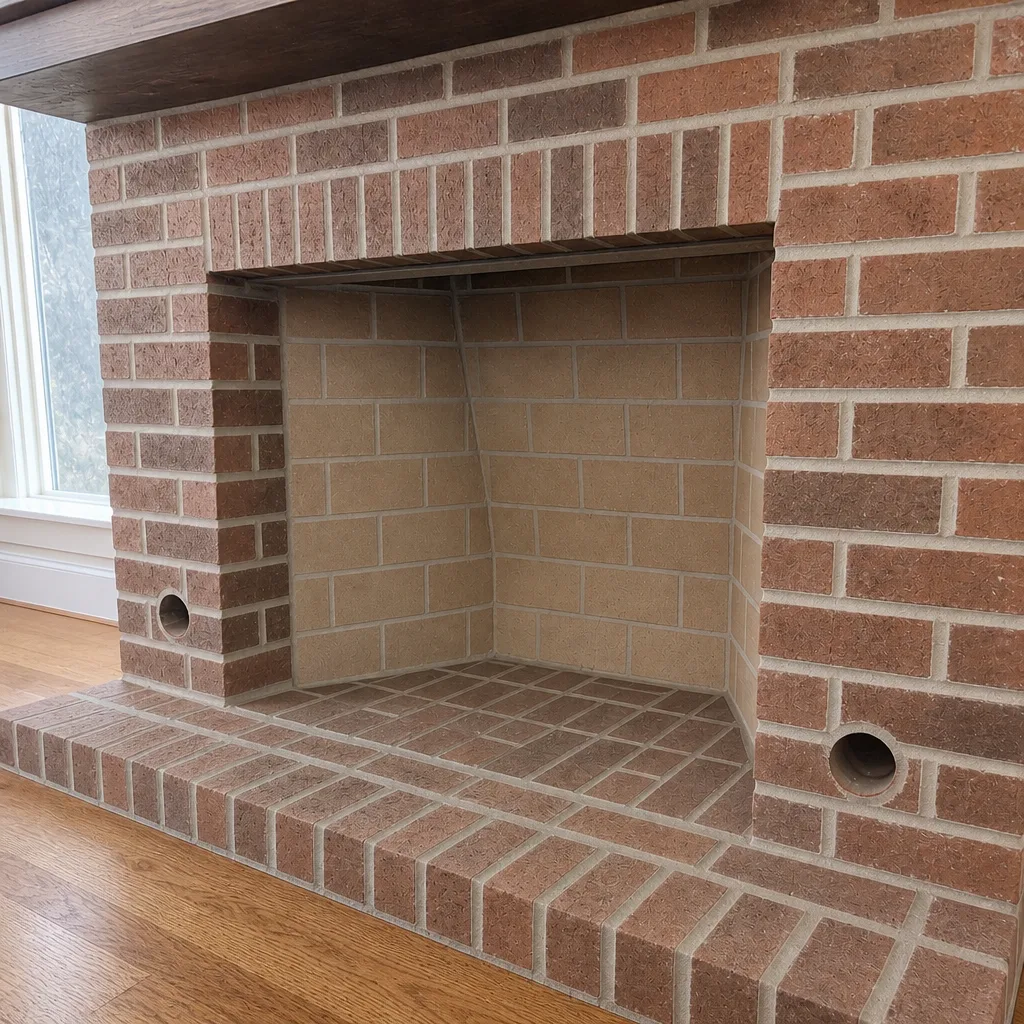
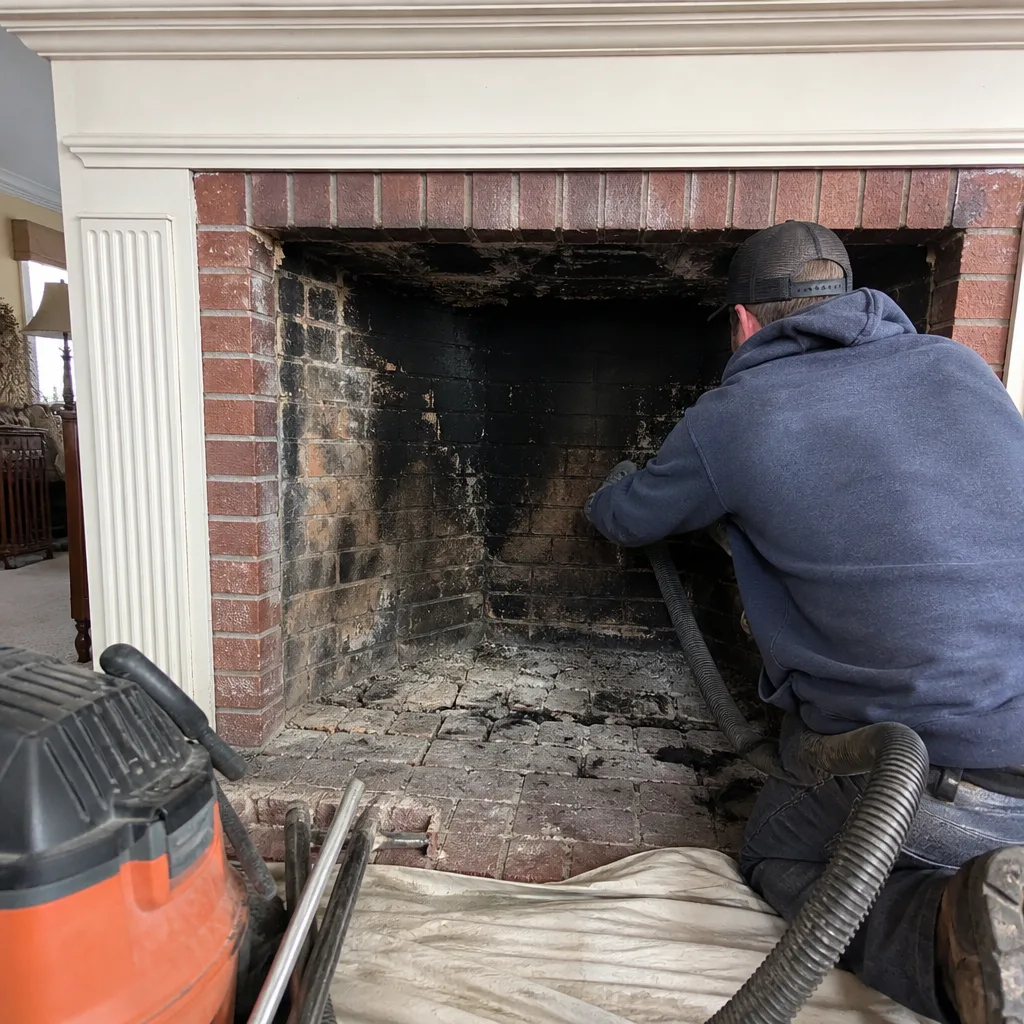
See the difference
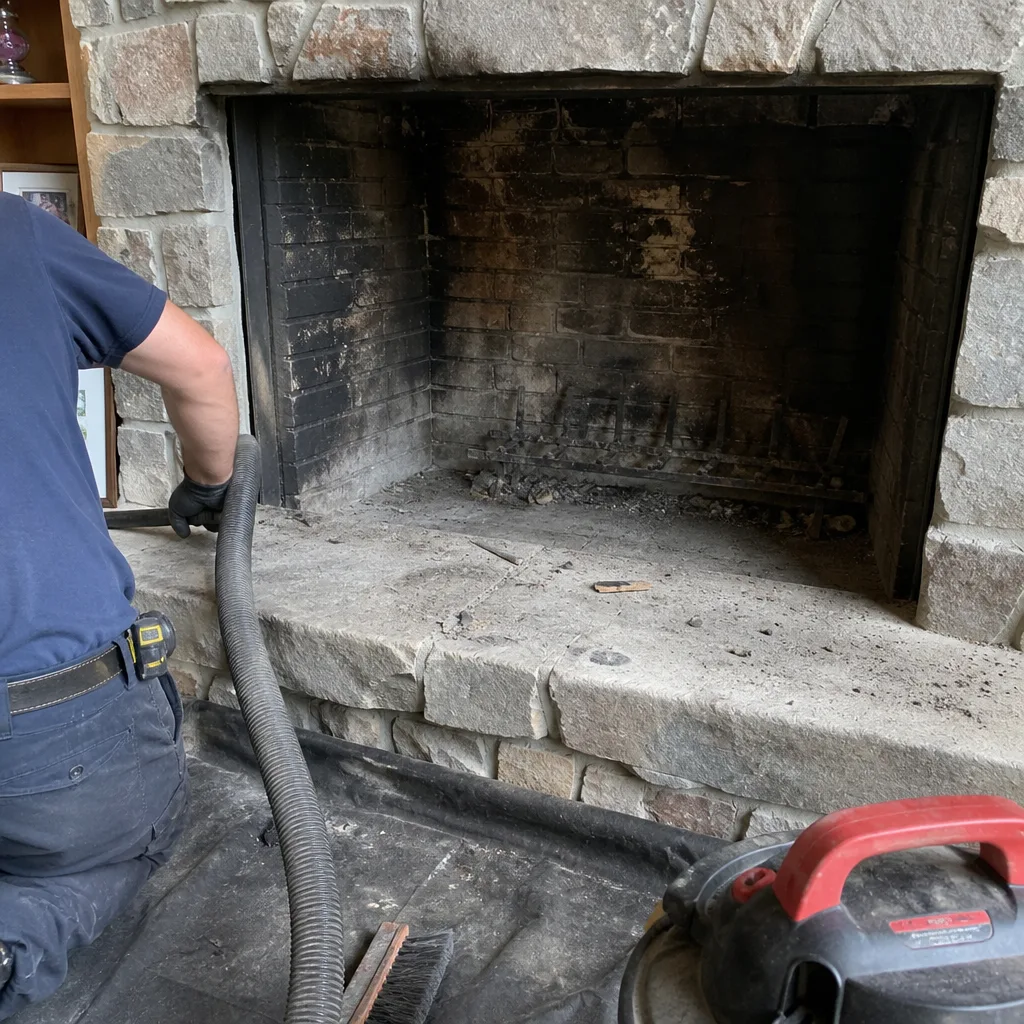 Before
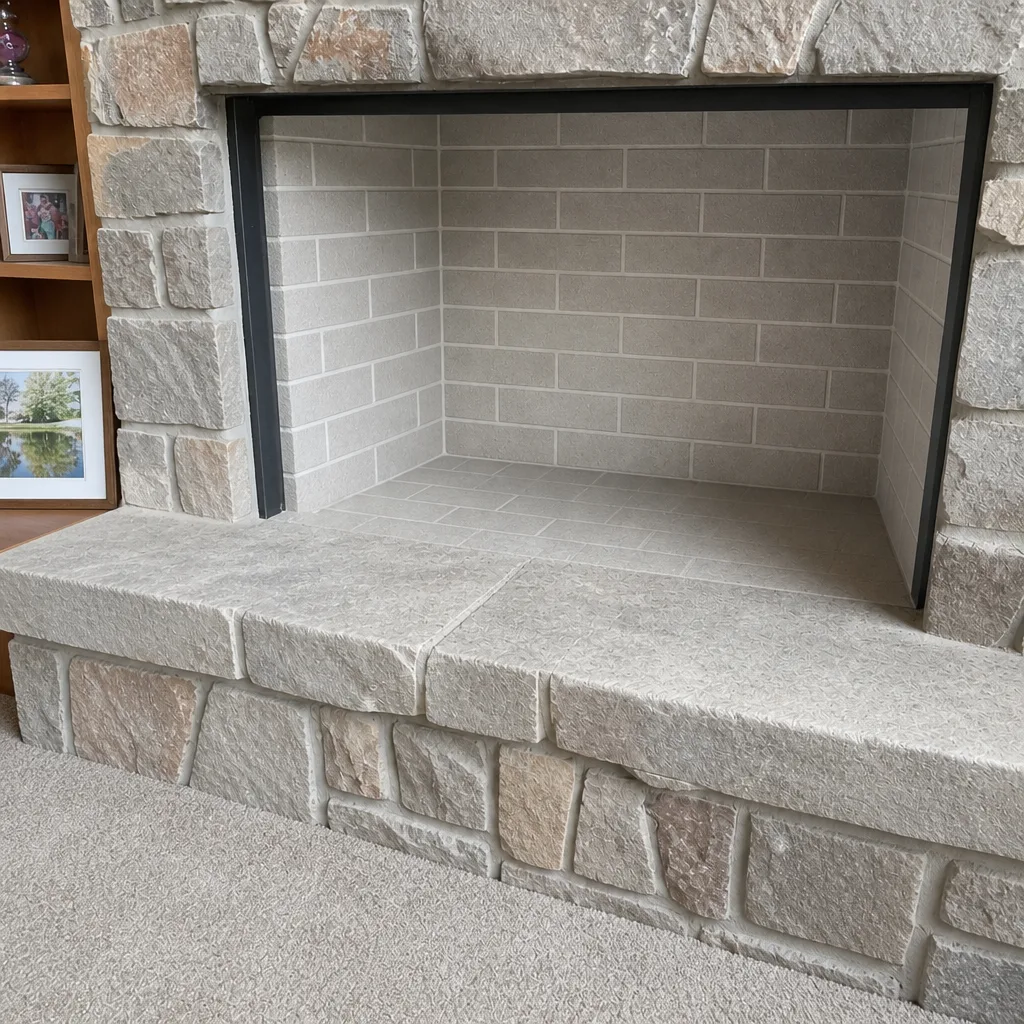 After
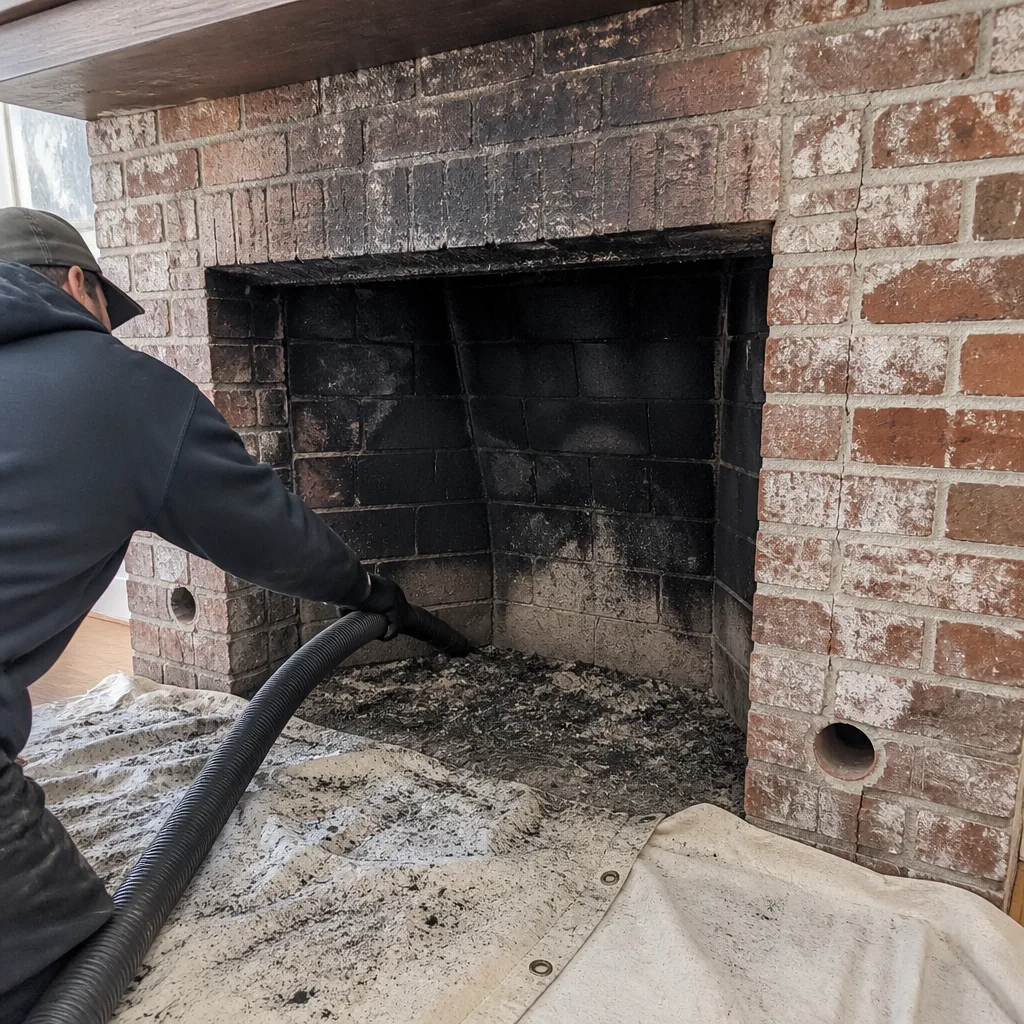 Before
 After
 Before
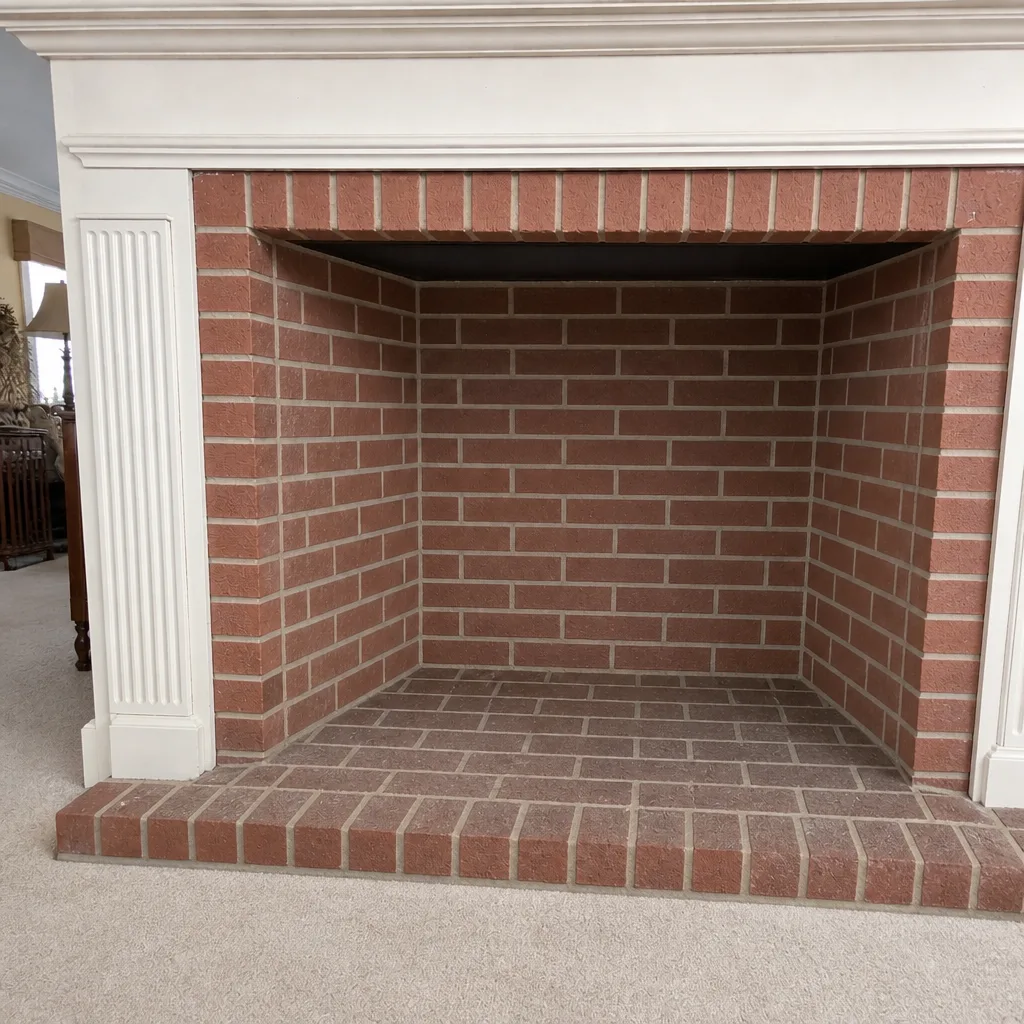 After
When to Call a Professional
Call a chimney professional if you’ve never had the fireplace inspected, if it’s been more than a year, or if you’ve moved into a home in Issaquah with a fireplace you don’t have history on. Call sooner if you notice smoke backing up, a persistent creosote smell, visible buildup at the damper, or anything that looks like damage on the exterior of the chimney. Any suspected chimney fire, even a small one, warrants a Level 2 inspection before you use the fireplace again. And if a report has told you that you need liner or masonry work, a second opinion with camera evidence is worth getting before you commit. Chimney Sweep Issaquah offers free estimates in Issaquah. Call (855) 550-7279. We answer 24/7. Fast dispatch from 7am to 7pm, Sunday through Friday.
Frequently Asked Questions
A standard chimney sweep for a wood-burning fireplace typically sits at the lower end of chimney service costs, with a Level 2 inspection or repair work pushing the price higher depending on what’s found. The written estimate sets the final price, and the estimate is free. Call (855) 550-7279 for an exact quote.
At least once a year for a wood-burning fireplace, and more often if you burn heavily or burn damp or resinous wood. In Issaquah’s wet climate, the annual inspection also catches moisture-driven damage to the crown and cap before it spreads. Call (855) 550-7279 to book a cleaning.
Only if the inspection shows the existing liner is cracked, deteriorated, or improperly sized, and you should see the camera footage before agreeing. HeatShield resurfacing can restore some flues without a full replacement, and a DuraFlex flexible liner is the route when replacement is genuinely needed. Call (855) 550-7279 and we’ll show you what the inspection found first.
Creosote keeps building, and in this climate it advances toward the glazed stage that’s most closely tied to chimney fire risk, while a failing crown or cap quietly lets moisture into the masonry. Neither problem announces itself until it’s advanced. Call (855) 550-7279 for a free estimate and an honest condition report.
A Level 1 covers the readily accessible parts of the system, while a Level 2 adds camera inspection of the flue and access to areas a Level 1 can’t reach, and it’s required after a fuel or appliance change, a home purchase, or a chimney fire. Most routine Issaquah checkups are Level 1 unless something has changed. Call (855) 550-7279 to find out which one your home needs.
Yes. A gas fireplace doesn’t produce creosote the way wood does, but its venting still needs inspection for blockage, corrosion, and proper draft, and the inspection depth follows the system. If you’ve recently switched to gas, that’s a Level 2. Call (855) 550-7279 for a free estimate.
The Bottom Line
Chimney cleaning in Issaquah works best when it’s matched to the specific fireplace, fuel, and moisture conditions in front of it. The wet climate pushes creosote toward the harder stages faster, alder and fir leave a different residue than drier-region hardwoods, and the cap and crown on top are often the real source of the damage below. A proper service cleans the flue, inspects to the right level, and reports what it finds with evidence you can see. One company, start to finish, from cleaning through Chimney Sweep Issaquah repair work. Built to last, not built to come back.
Ready for an honest look at your chimney? Call (855) 550-7279 for a free estimate. We answer 24/7. Fast dispatch from 7am to 7pm, Sunday through Friday.
Written by the team at Chimney Sweep Issaquah.